7 Steps to Care for a Begonia Plant
Pick the Right Type for Your Space
Wax begonias are your best option if you’re growing indoors. They handle typical home conditions well and don’t demand special treatment. Other varieties exist, but wax begonias give you reliable results without extra fuss.
Position Your Plant for Light
Place your begonia near an east or west-facing window. This gives you bright, indirect light—what the plant actually needs. Direct sun will scorch the leaves, so avoid south-facing windows during summer months. If you only have north-facing windows, your begonia will survive but grow more slowly.
Water on the Right Schedule
Check the top inch of soil with your finger. When it feels dry, water thoroughly until water drains from the bottom. Use room-temperature water, not cold. Overwatering causes root rot, which kills begonias faster than anything else. If you’re uncertain, wait another day before watering.
Increase Humidity Around Your Plant
Begonias like moisture in the air. Group several plants together so they create a humid microclimate around each other. Another option: place your pot on a shallow tray filled with pebbles, then pour water into the tray until it just touches the bottom of the pot. The water evaporates and raises humidity without waterlogging the roots.
Use the Right Soil and Container
Fill a 15–20 cm pot with well-draining soil made from a mix of standard potting soil, perlite, and pine bark. The perlite and bark prevent water from sitting around the roots. The pot must have drainage holes in the bottom. Without drainage, water pools and causes root rot.
Feed During the Growing Season
Give your plant a balanced fertilizer once a month from spring through early fall. Follow the dosage on the package—don’t guess. Stop feeding in winter when growth naturally slows. Overfertilizing actually damages the plant rather than helping it.
Start New Plants from Leaf Cuttings
Cut a healthy leaf from the base and place it on moist soil. New plants will develop from the leaf’s veins. This takes several weeks, but it’s a cheap way to expand your collection. Keep the soil lightly moist until you see new growth.
Choose a Begonia Type Suited to Your Home
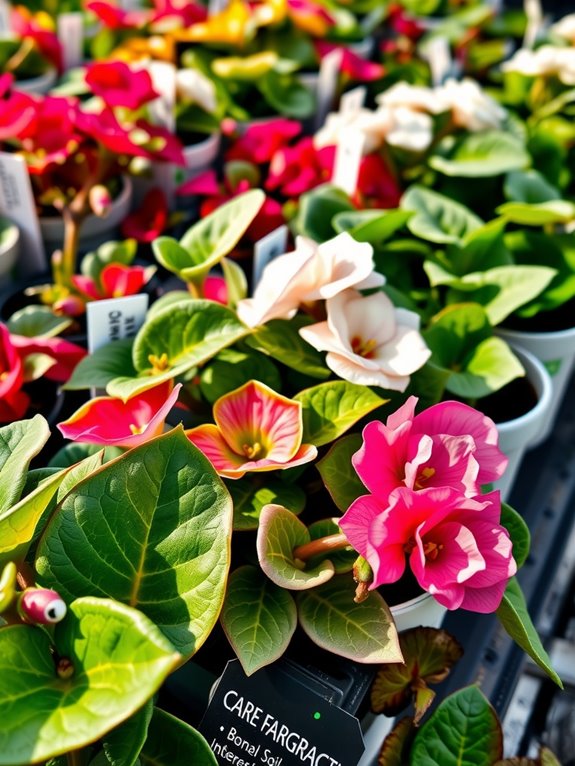
What kind of space do you have available for a begonia? Your answer determines which types will work in your home. If you’re working with typical indoor conditions, rhizomatous begonias and wax begonias are your best options. Wax begonias stay compact and handle standard light conditions well, making them ideal for containers on shelves or tables.
Wax begonias stay compact and handle standard light conditions well, making them ideal for containers on shelves or tables.
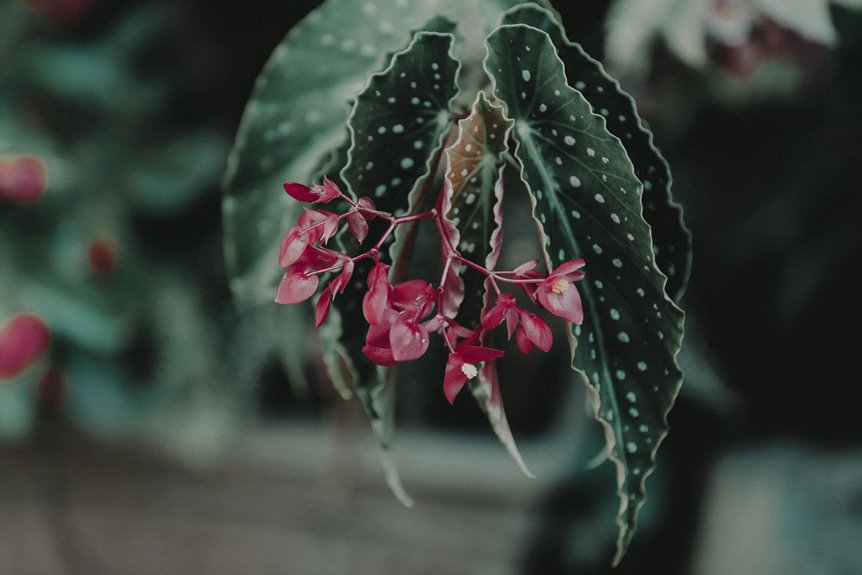
Cane begonias offer impressive foliage varieties and work nicely in bright spaces with indirect sunlight. Skip rex begonias unless you can provide consistent warmth and humidity levels between 50-70%. Most living rooms fall short of these requirements, and the plants will drop leaves and decline.
Tuberous begonias deliver larger flowers but require winter storage in a cool, dry location. Before choosing this type, decide whether you’re willing to store dormant tubers each year and replant them in spring.
Match your begonia type to your home’s actual humidity levels and light conditions. Measure the light your space receives throughout the day. Check your home’s humidity with an inexpensive moisture meter. This step takes minutes but sets you up for success from the start.
Give Your Begonia Bright, Indirect Light
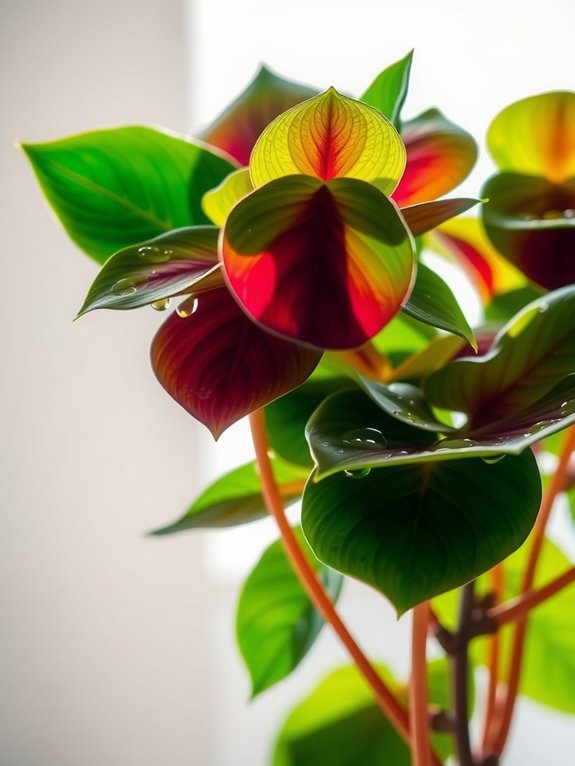
Light placement matters more than most people realize. Position your begonia near an east or west-facing window where it receives bright, indirect light. These window directions provide gentle illumination without the intense afternoon sun that causes leaf damage.
Direct sun exposure burns begonia leaves and creates bleached, papery patches. If you see these signs, move your plant farther from the window immediately. You can also filter strong light by placing your begonia on a window edge behind a sheer curtain.
Weak, spindly growth means your plant isn’t getting enough light. Conversely, scorched or crispy leaves signal too much direct sun. Both situations require adjustment. Rotate your plant every few weeks to distribute light evenly across all sides. This becomes especially important as seasons change and the sun’s angle shifts throughout the year.
Finding the right light spot takes some trial and error, but pay attention to how your begonia responds. Watch the leaf appearance and growth pattern as you make small position changes. Your plant will show you what it needs.
Water Consistently Without Waterlogging
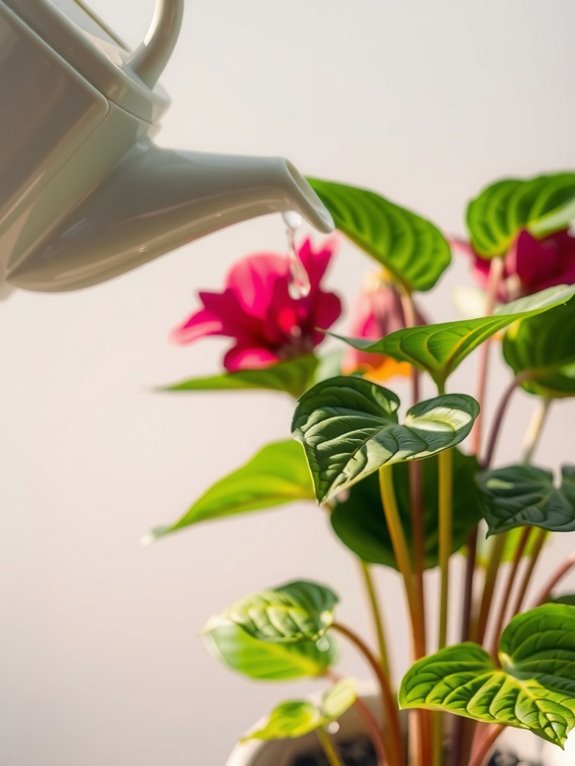
Check your begonia’s soil moisture by inserting your finger about one inch deep into the compost. Water only when the soil feels dry at that depth. This simple test takes seconds and prevents the common mistake of overwatering.
Set up a watering schedule that matches your home’s light and temperature conditions. Use room-temperature water rather than cold water, which can shock the plant’s roots. Stick with this schedule consistently, adjusting only when you notice changes in how quickly the soil dries out.
Your pot must have drainage holes at the bottom. Without them, water collects around the roots and causes rot. Pair the drainage holes with a well-draining soil mix—look for potting mixes labeled for houseplants or those containing perlite or orchid bark. These materials prevent water from sitting in the soil and creating problems.
Check Soil Moisture Regularly
Since begonias need consistent moisture but hate soggy roots, checking your soil regularly is the way to find the right balance. Stick your finger about one inch into the potting mix at least twice a week. When the soil feels dry at that depth, water your begonia thoroughly.
Use room-temperature water so you don’t stress the plant. Always make sure your drainage holes are open and working. Never let your pot sit in standing water, as this leads to root rot.
This simple method prevents both underwatering and overwatering. By staying aware of what your begonia’s soil needs, you’ll keep your plant healthy and strong.
Establish a Watering Schedule
Water when the top inch of soil feels dry to the touch. Use room-temperature water to avoid shocking the plant. Check the soil regularly—this becomes your baseline for understanding your begonias’ needs.
Pot size matters. Larger containers with more compost hold moisture more evenly, which reduces both underwatering and overwatering problems. The extra soil acts as a buffer.
Keep the soil evenly moist during the growing season, but never soggy. Standing water leads directly to root rot, so drain any excess water that collects in the pot. Misting foliage doesn’t replace proper watering and can increase disease risk.
Water more frequently during hot months to reach the root zone thoroughly. As seasons change, adjust your watering frequency accordingly. Over time, you’ll recognize the signs your begonias show when they need water and develop a reliable routine that works for your specific conditions.
Improve Drainage With Soil
Now that you’ve got your watering schedule down, it’s time to set up the soil itself to work with you instead of against you. Your begonia needs well-draining soil, so skip dense potting mixes that trap water. Choose a peat-free multipurpose potting mix and amend it with perlite or vermiculite. Pine bark also works well, giving you both aeration and moisture retention.
When you repot, use containers with drainage holes. This is non-negotiable. Lightly pat in your fresh soil rather than compacting it, which preserves the porosity that allows water and air to move through the soil properly.
This setup prevents waterlogging while maintaining the consistent soil moisture your begonia needs. The result is roots that stay oxygenated and healthy.
Raise Humidity Around Your Begonia
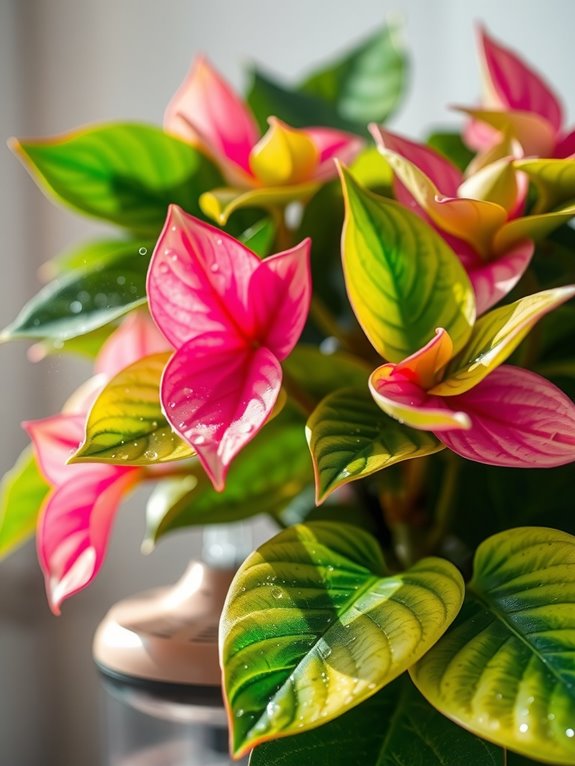
Why do begonia leaves turn crispy and brown at the edges? Low humidity is the problem. Misting your plant directly can cause fungal growth, so you’ll want to use other methods to raise the humidity around it.
Group your begonias with other humidity-loving plants. When plants sit close together, they create a small area of higher moisture that helps all of them. Pick a pot that’s larger than you might normally choose. The bigger surface area of soil and leaves will hold more moisture in the air around your plant.
Set up a water reservoir under your pot using pebbles or clay pebbles. Fill a shallow tray or saucer with the pebbles and add water until it reaches just below the tops of the pebbles. Place your pot on top so the bottom doesn’t sit directly in the water. As the water evaporates from the pebbles, it raises the humidity around your plant without getting the leaves wet. This method keeps moisture steady around both the roots and leaves while avoiding the fungal problems that come with direct misting.
Pick the Right Pot and Soil
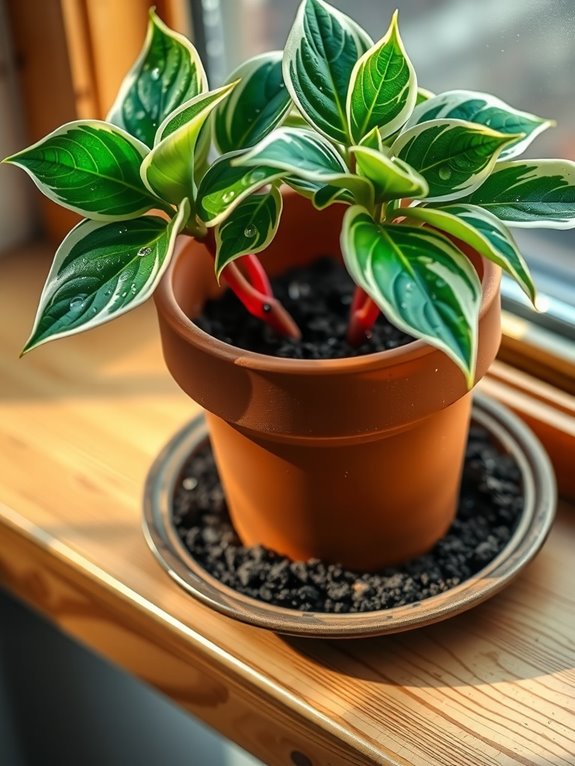
Start with a pot that has drainage holes. Use a peat-free multipurpose soil mix combined with perlite or vermiculite. This combination keeps your soil airy and allows water to drain properly.
Clay pots work better than plastic for begonias because they let moisture and air pass through the sides. If you want extra protection against waterlogging, place clay shards over the drainage holes before adding soil.
As your begonia grows and the roots start to crowd the pot, repot it into larger containers. Gradually move it up in size until you reach a pot about 20 cm wide. This approach gives you control over how the plant grows in its early stages while supporting better development during summer.
Pot Size Matters Most
Because begonias’ roots need adequate space to spread and absorb nutrients, pot size directly impacts how well your plant grows. Start small, then gradually move to larger containers as your begonia develops—don’t jump to huge pots immediately.
9 cm pots are too restrictive**** for most begonias. They limit root space and slow growth, so avoid them unless you’re starting from a very small cutting or seedling.
Move to 15–20 cm pots**** during the growing season. This size supports better development and gives roots room to expand without holding excess water that causes rot.
Use peat-free multipurpose compost** in containers with drainage holes**. This prevents water from sitting around the roots, which leads to rot and fungal problems.
Repot when roots become crowded or growth slows. You’ll see roots circling the bottom of the pot or pushing through drainage holes. When this happens, move your begonia to fresh compost, which also improves moisture retention and nutrient availability.
Larger pots hold more compost, which helps maintain humidity and supports healthier roots. Watch your begonia’s progress—yellowing leaves, stunted growth, or roots visible at the soil surface all signal it’s time to upsize. This steady approach keeps your plant healthy without the shock of moving it to an oversized container where soil stays wet too long.
Soil Composition and Drainage
Begonias need soil that drains well while holding enough moisture for the roots. Mix peat-free multipurpose compost with perlite or vermiculite to increase airflow and prevent water from pooling. Pine bark adds another layer of control—it keeps moisture around the roots without creating soggy conditions.
Your pot setup matters as much as the soil itself. Drainage holes are non-negotiable. Place clay shards or broken pottery over the holes before adding soil. This stops soil from washing down and blocking the drainage pathway.
| Component | Purpose | Benefit |
|---|---|---|
| Perlite | Aeration | Prevents compaction |
| Vermiculite | Drainage | Reduces waterlogging |
| Pine bark | Moisture | Balanced retention |
| Clay shards | Flow | Unobstructed drainage |
A basic recipe works well: combine 2 parts peat-free compost, 1 part perlite, and 1 part pine bark. This ratio gives you the balance you need. If you can’t find pine bark, use additional perlite instead.
Root rot is the most common problem with begonias, and it happens when water sits in the soil too long. The setup above—good drainage holes, clay shards, and the right soil mix—prevents this from happening. Check your soil between waterings. The top inch should feel dry before you water again.
Repotting for Growth Success
As your begonia’s roots fill its current container, it’s time to move it to a slightly larger pot. This gradual approach keeps your plant healthy without overwhelming it. Repot during the growing season for the best results.
Choosing the Right Container
Use clay pots instead of plastic. Clay allows air and moisture to move through the soil more easily, which helps prevent root problems. When you upsize, jump from your current pot to one that’s 15–20 cm wide. Avoid jumping straight to a much larger container, as this can lead to overwatering and root rot.
Preparing Your Materials
Get a well-draining, peat-free multipurpose compost and mix in amendments to support healthy root development. Before repotting, place clay shards over the drainage holes to improve water flow and protect the roots.
The Repotting Process****
Gently loosen the roots with your fingers and remove any dead leaves. You can also remove a few healthy leaves if you want to propagate them in water. Add fresh potting mix to the new pot, then position your begonia so the soil line matches where it was in the old container. Fill in around the roots with more compost and firm it lightly to remove large air pockets. If the roots are tightly wound or circling the root ball, use light pruning to cut through them. This encourages new growth and better water movement through the root system.
Feed Begonias Monthly During Growth Season
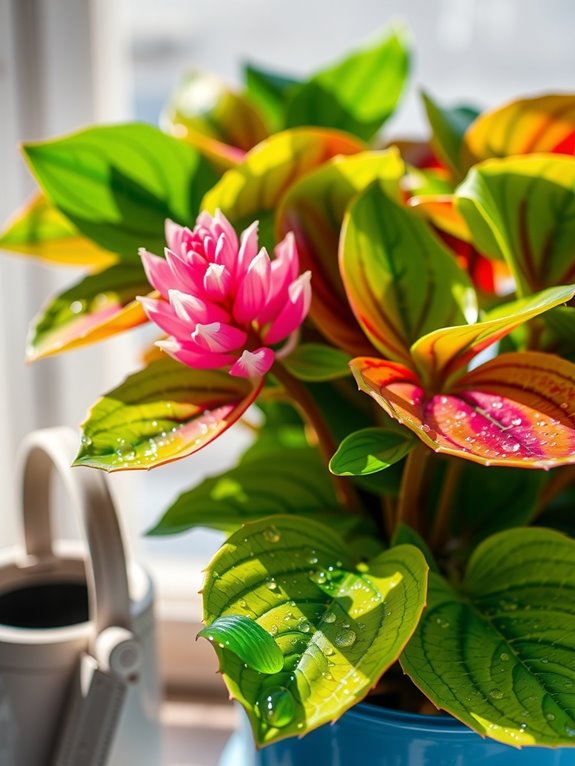
Nourish your begonias with a balanced, water-soluble fertilizer once a month during spring and summer when the plants are actively growing. This feeding schedule supports new leaf and shoot production and keeps your plants healthy during peak growth.
Follow the label directions carefully when diluting your liquid fertilizer. Proper dilution prevents root burn and nutrient damage. If you notice slow growth, you can feed more frequently, but avoid over-fertilizing. Too much fertilizer stresses the roots and harms overall plant health.
For indoor begonias, consider using slow-release fertilizer alongside monthly feedings. Slow-release fertilizer extends nutrient availability between your regular applications, giving plants steady nutrition over time.
When fall arrives and growth slows, reduce or pause feeding entirely. Stepping back on nutrients during cooler periods allows your begonias to rest naturally without nutrient buildup that can damage dormant plants.
Multiply Your Begonias Through Leaf Cuttings
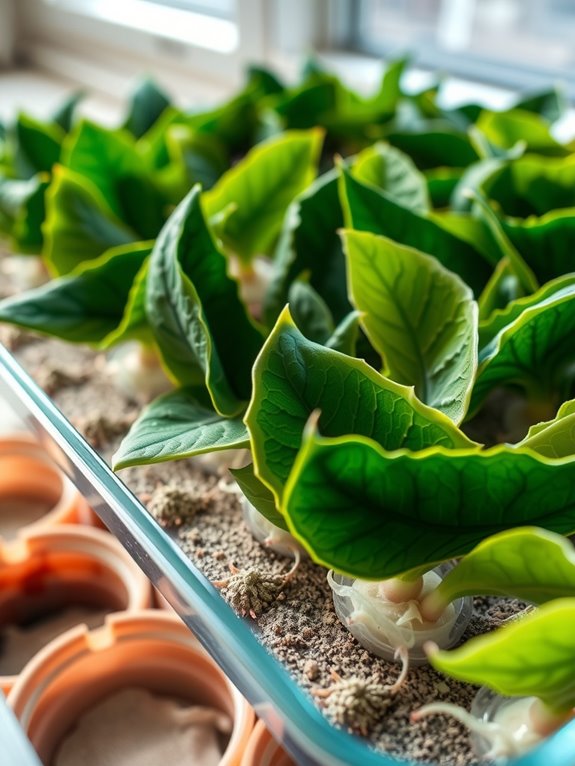
One of the easiest ways to expand your begonia collection is through leaf cuttings. A single healthy leaf can produce multiple new plants, making this method practical and reliable.
Select robust leaves** with strong, visible veins. These leaves have the strongest potential for rooting. Pinch off** a mature leaf from your begonia plant and prepare it right away.
Prepare your cutting surface. Fill a small container with moist potting mix. Bury the petiole—the thin stem connecting the leaf to the plant—lightly into the soil. The petiole needs direct contact with the moist medium to develop roots.
Create humid conditions** by covering your cuttings with a clear plastic dome or loose plastic bag. This traps moisture in the air around the leaf and speeds root development. Keep the covering in place until you see new growth** appearing.
Keep moisture levels steady. Water the potting mix so it stays evenly moist but never waterlogged. Check it every few days with your finger. The soil should feel damp, not soggy. Maintain a temperature between 18–24°C (64–75°F) for best results.
Watch for new growth. Within a few weeks, you’ll see tiny roots forming at the base of the petiole and small shoots emerging nearby. Once these are clearly visible, you can remove the cover and reduce watering slightly.
Move your plantlets to larger containers once they develop their own small leaves. Use the same potting mix and gradually increase pot size as the plants grow. This staged approach prevents moisture problems that can occur when young plants sit in oversized pots.
Soil-based leaf cuttings avoid the challenges of water rooting and consistently produce healthy new plants ready to grow into full-sized begonias.