
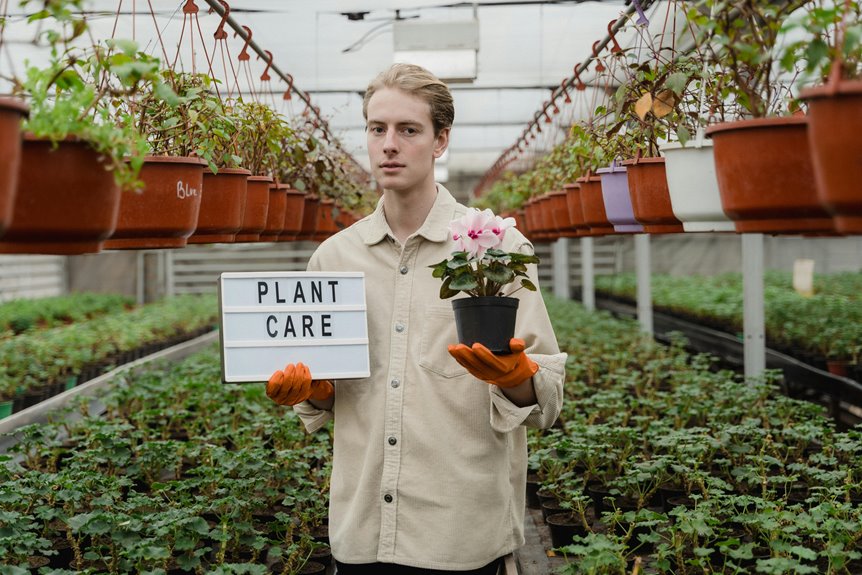
Water your snapdragons deeply at the soil level when the top inch feels dry. Aim for consistent moisture without waterlogging the soil.
Plant in fall or spring to sidestep summer heat stress. Position them where they receive morning sun with afternoon shade protection.
Use well-draining soil mixed with compost. Space plants twelve to eighteen inches apart to allow air circulation between them.
Pinch young growth when plants reach four to six inches tall. This encourages bushier plants with more branches and blooms.
Deadhead spent blooms weekly by removing flowers as they fade. Apply balanced, low-nitrogen fertilizer every two to three weeks during the growing season.
Watch for rust and harlequin bugs. Remove affected leaves promptly when you spot these pests or diseases.
Stake tall varieties as they grow to prevent flopping from wind and the weight of heavy blooms. Use soft ties or twine to secure stems to stakes without cutting into the plant tissue.
Following these steps will keep your snapdragons blooming well throughout the season.
Water Wisely: Balancing Moisture Without Drowning Roots
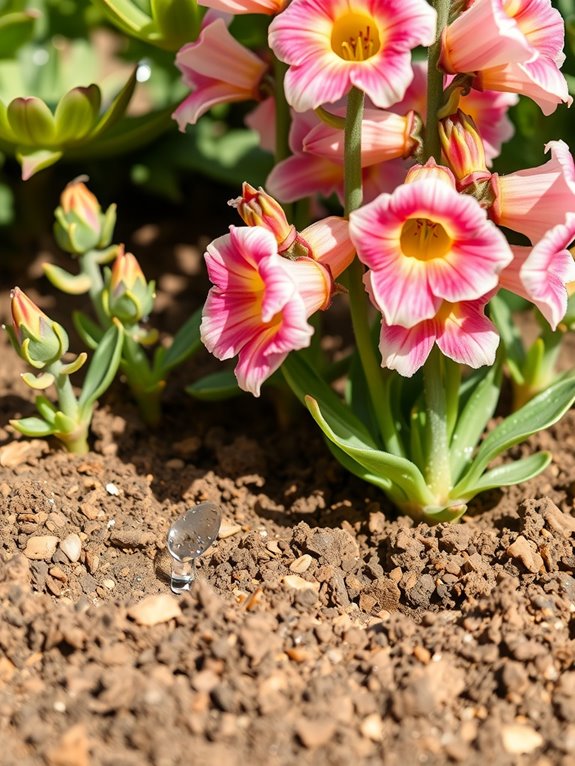
How do you know when your snapdragons are thirsty? Watch for surface soil cracking, drooping foliage, and browning leaves. These signs mean the soil has dried out too much.
Watch for surface soil cracking, drooping foliage, and browning leaves—these signs indicate your snapdragons need water.
Snapdragons need soil that stays consistently moist but never waterlogged. Aim for about one inch of water weekly. During dry weather, water twice weekly with thorough soaks rather than light sprinkles.
Apply water at the base of the plant using low pressure. This approach reduces splashing and lowers the risk of disease. Water in early morning or evening to cut down on evaporation and leaf scorch. Check the top layer of soil with your finger—only water when it feels dry.
Good drainage is your main defense against root rot. Make sure your soil drains well and your containers have drainage holes.
Container-grown snapdragons dry out faster than garden soil, so they need more frequent watering. In hot conditions, you may need to water daily. In cooler weather, every other day might be enough. Pay attention to how quickly your specific containers dry out and adjust accordingly.
Best Location for Growing Snapdragons Year-Round
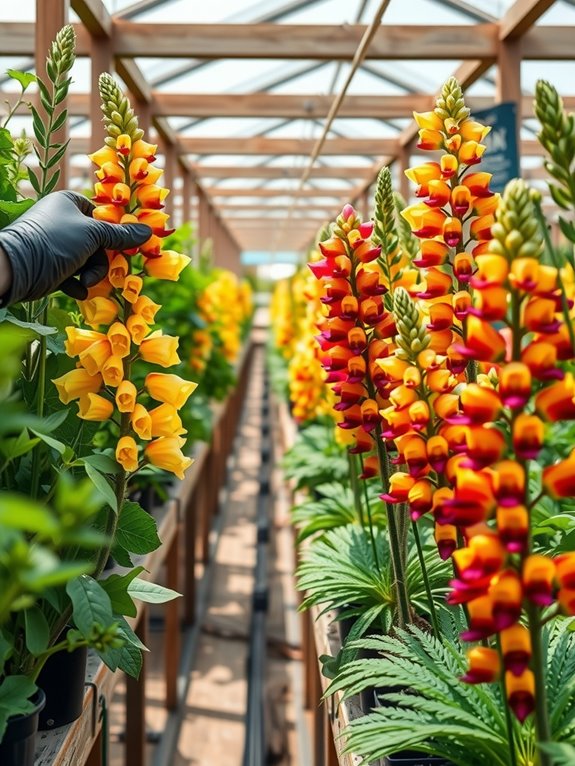
Where you plant your snapdragons affects how well they grow throughout the year.
Look for a spot that gets around six hours of sunlight daily. Morning sun works best because it provides warmth without the intensity of afternoon rays. If your area has a hot climate, place snapdragons on the north side of buildings or walls to block the strongest afternoon heat. Eastern exposures are particularly good since they catch morning light while offering afternoon protection.
| Season | Best Location | Key Benefit |
|---|---|---|
| Spring/Fall | Full morning sun | Optimal growth |
| Summer | Partial afternoon shade | Heat protection |
| Winter | Maximum available light | Cold tolerance |
If you’re growing snapdragons in containers, move them to shadier spots during July and August. Space plants six to fifteen inches apart depending on how tall the variety grows. Good air circulation matters because it prevents fungal problems from developing. Use soil that drains well so water doesn’t sit around the roots.
Position your snapdragons near water features like fountains or ponds if possible. The moisture in the air from these features naturally increases humidity levels, which snapdragons appreciate.
Soil Prep for Snapdragons: Depth, Drainage, and Amendments
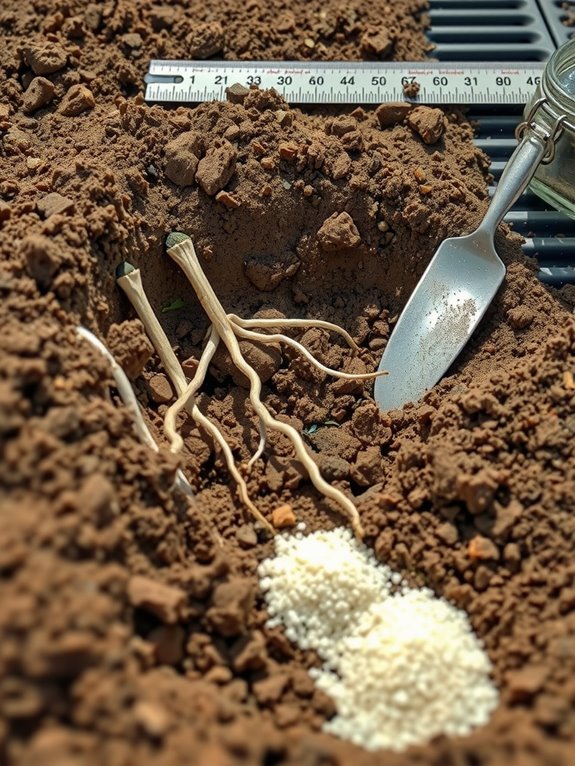
Why does soil matter so much for snapdragons? Your soil’s structure and composition directly determine whether your plants thrive or struggle. Start by digging 8–10 inches deep to loosen the soil and assess what you’re working with.
Your soil’s structure and composition directly determine whether your snapdragons thrive or struggle.
Next, incorporate 2–3 inches of compost into the loosened soil. This step boosts moisture retention and adds the nutrients snapdragons need to grow steadily. Snapdragons prefer loamy, fertile soils with a pH between 6.0–7.0.
Check your drainage. If water sits on the surface or drains extremely slowly, your soil needs amendments. Mix in coarse sand or perlite to improve drainage. If you have heavy clay soil, building raised beds is often simpler and more effective than trying to amend the existing ground.
After planting, apply 2–3 inches of organic mulch around each plant. Keep the mulch at least an inch away from the stems to prevent rot. This layer helps regulate moisture and keeps roots cooler during warm months.
When to Plant Snapdragons: Spring vs. Fall Timing
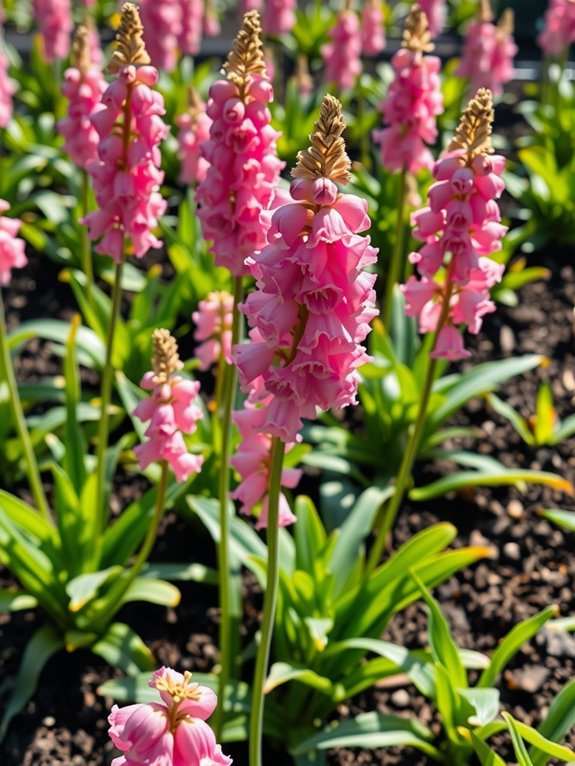
Plant snapdragons in early fall from September through October in Sacramento. Fall plantings let roots develop over winter, which leads to heavier blooms when spring arrives and better tolerance for heat. The strong root system gives you a clear advantage over spring planting alone.
Spring planting works from February through March as a follow-up strategy. Once your fall snapdragons start to decline in late spring, add spring plantings to keep color in your beds without gaps. This succession approach gives you blooms across multiple seasons rather than one concentrated period.
Skip planting during July and August. The intense heat during these months stresses seedlings and makes it hard for them to establish roots. Wait until conditions cool before you plant.
Spring Planting Advantages
When should you plant snapdragons in Sacramento—spring or fall? The answer depends on what you want from your plants.
Plant snapdragons in spring if you want them to grow alongside warming temperatures. Time your planting 3–4 weeks before your last frost date, which falls between February and March in Sacramento. This timing gives snapdragons a solid head start and supports longer bloom periods as temperatures rise gradually through the season.
Fall planting offers a different advantage. Snapdragons planted in fall develop stronger root systems during the winter months, which improves their performance when summer heat arrives. Better roots mean better heat tolerance and resilience when conditions get tough.
For continuous color year-round, use both approaches. Plant snapdragons in spring, then add a fall planting to extend your bloom coverage. This way, you keep flowers in your garden throughout the seasons without relying on a single planting date.
Fall Planting Benefits
Fall Planting Benefits
Plant snapdragons in fall and you give them a real advantage for the following year. When you plant in fall, your snapdragons build strong root systems during the cooler months. This direct benefit shows up when spring arrives and your plants bloom better than spring plantings can manage.
What Fall Planting Delivers
During winter months, snapdragons develop stronger roots that create more resilient plants. These established root systems allow your snapdragons to reach optimal sizes before peak heat arrives in summer. The result is longer-lasting color and healthier plants overall.
Fall-planted snapdragons also gain better heat tolerance for the following season. Their extended bloom windows push well into summer, giving you color when heat normally shuts down spring plantings. When you pair fall plantings with spring plantings, you get continuous color throughout the year.
Why This Matters in Cool Climates
In cooler regions, fall planting becomes especially valuable. Your snapdragons have time to mature before the hottest temperatures hit, which means they perform better when conditions turn harsh. You’ll notice the difference immediately come spring when your fall-planted snapdragons outperform any spring plantings you started at the same time.
Regional Timing Strategies
Snapdragons grow on different schedules depending on where you live. In Sacramento, fall planting works better than spring planting, but adding a spring planting cycle keeps blooms going most of the year.
Timing Your Planting
Plant snapdragons 3–4 weeks before your region’s first or last frost date. This gives roots time to develop before temperature swings hit. The specific month depends on your location and which season you’re planting for.
Fall Planting: September–October
Plant in fall if you want the best results in Sacramento. Snapdragons planted in fall develop stronger roots over winter and produce heavy blooms in spring. They also tolerate summer heat better than spring-planted varieties.
Spring Planting: February–March
Spring planting peaks just as fall varieties start to decline. This approach extends your flowering season through more of the year. If you want nearly continuous blooms, use both fall and spring plantings.
Year-Round Planting Flexibility
You can technically plant snapdragons any month except July and August. These summer months create stress during establishment because the heat is too intense. If you plant in other months, snapdragons will establish more reliably.
Pinch Young Plants for Fuller, Bushier Growth
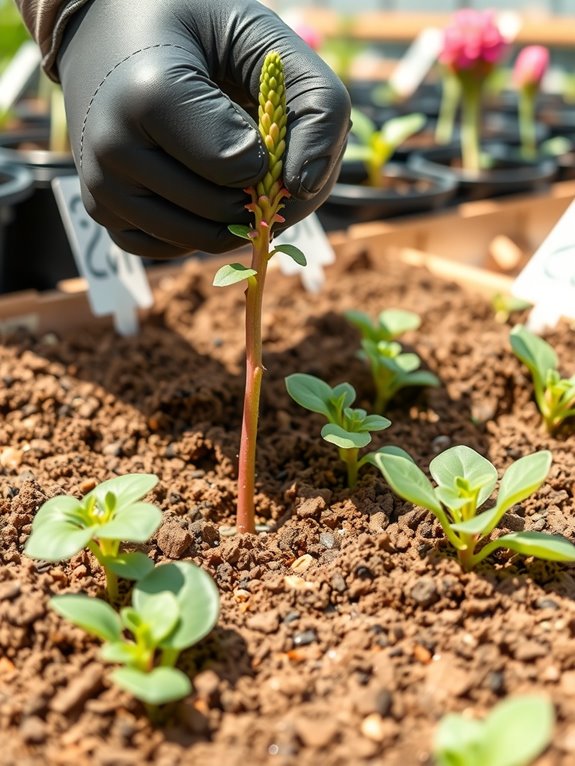
How do you encourage snapdragons to grow thick and full instead of tall and spindly? Pinching young plants is the answer. When your snapdragons reach 4–6 inches tall, you’re ready to start shaping their growth.
What pinching does
Remove 1–2 inches from the growing tips. This stimulates additional stems without sacrificing overall height. The plant responds by branching out sideways instead of continuing straight up.
When to pinch
Start pinching when plants hit 4–6 inches tall. If your plants become leggy later in the season, pinch again mid-season to reinforce branching and density.
Support for dense growth
Stake tall varieties early or use grow-through grids. Pinched plants develop multiple branches and need support to stay upright as they fill out.
The trade-off to consider****
Pinching increases your stem count but may reduce individual flower size. Non-pinched plants yield taller stems with larger flowers. Choose based on what you need. If you want many stems for cutting arrangements, pinch. If you want a few impressive tall stems with big blooms, leave plants alone.
Deadhead Regularly for Continuous Blooms
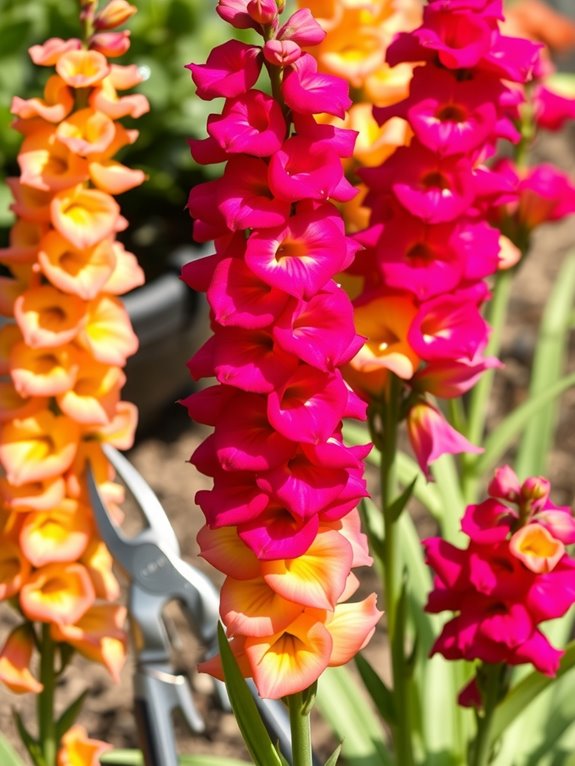
Once your snapdragons start flowering, regular deadheading removes spent blooms before they form seeds. This is the most effective way to keep flowers coming throughout the season.
When you pinch off spent flowers at the stem just above a leaf node, you interrupt the plant’s natural drive to produce seeds. Instead, the plant redirects its energy into making new blooms. Here’s how to do it properly:
Weekly Deadheading
Check your plants every seven days. Locate flowers that have faded or begun to wilt. Using clean pruning shears or your fingers, cut or pinch the stem just above the nearest leaf node—the small bump where leaves branch off. Remove the entire spent flower head and about one-quarter inch of stem above that node. This small cut signals the plant to branch at that point and produce more flowers.
Removing Yellowing Foliage****
While deadheading, strip away any yellowing or damaged leaves on the lower parts of the stem. Yellow leaves indicate the plant is moving resources away from that area, so removing them helps keep the plant focused on producing blooms. Clearing dead foliage also improves air circulation around the plant and reduces disease risk.
Mid-Season Cutback
Around the middle of the growing season, consider cutting back about one-third of each plant’s total growth. Make cuts above leaf nodes, just as you do when deadheading. This more aggressive pruning refreshes the plant and encourages a fuller, bushier shape with more flowering stems. The plant will recover quickly and produce new growth with additional flower buds.
Consistent deadheading requires just a few minutes each week, but the payoff is continuous color in your garden from early summer until frost.
Feed for Blooms, Not Foliage: Why Nitrogen Balance Matters
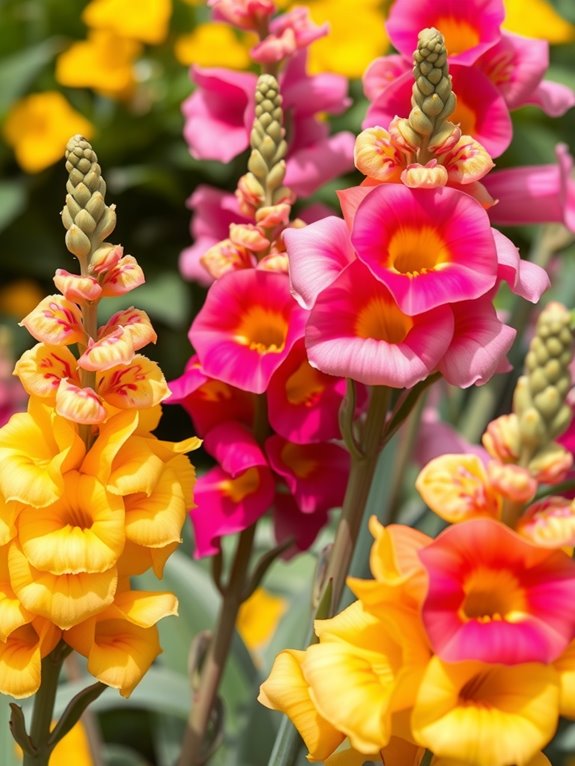
Why do some snapdragon gardeners end up with bushy plants full of leaves but few flowers? You’re likely feeding them too much nitrogen. The solution is straightforward: adjust your fertilizer approach.
Choose the Right Fertilizer
Pick a balanced fertilizer or one labeled as low-nitrogen. Look for products with an NPK ratio closer to 5-10-10 rather than anything starting with a number above 10 for the first value. High nitrogen pushes plants to produce leaves instead of flowers, so avoid feeds that emphasize leafy growth.
Apply Fertilizer in Smaller, Regular Doses****
Rather than one heavy feeding, give your snapdragons smaller amounts every two to three weeks during the growing season. A light application every 14 days works better than a concentrated dose once a month. This keeps nutrients available without overstimulating foliage production.
Adjust Your Feeding Schedule for Hot Weather****
When temperatures climb above 80°F, snapdragons naturally want to slow down. Hold back on nitrogen feeding during peak summer heat. This prevents the plant from wasting energy on weak, leggy growth and instead reserves nutrients for bud formation.
Combine Fertilizing with Mulching
Spread 1 to 2 inches of organic mulch like shredded bark or compost around the base of your plants. Mulch keeps soil moisture steady, which means your fertilizer works more effectively and you need less of it overall. This also helps maintain the balanced nutrient environment snapdragons need.
The relationship between what you feed snapdragons and how they grow is direct. Shift toward balanced fertilizer with lower nitrogen, apply it in smaller doses, and you’ll see flowering improve noticeably.
Managing Heat Stress: Why Snapdragons Fade in Summer and How to Minimize It
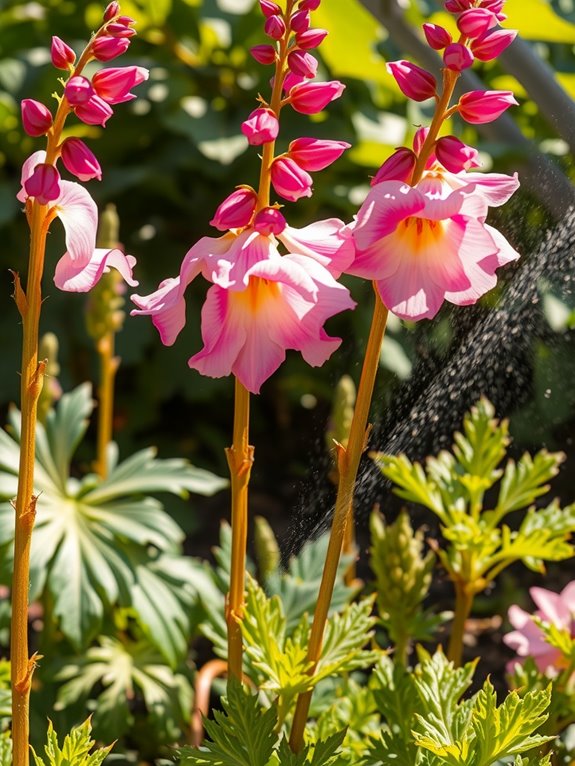
Snapdragons struggle when temperatures stay above 80°F. When this happens, your plants slow down their blooming, produce fewer flowers, and may stop growing. You can work around this problem by selecting heat-tolerant varieties like Snappy, Snapshot, and Twinny. These varieties keep producing flowers through hot summers.
| Strategy | Benefit |
|---|---|
| Fall planting | Establishes strong roots; extends bloom into spring |
| Morning sun + afternoon shade | Reduces heat stress while maintaining blooms |
| Proper air circulation | Prevents moisture buildup; supports plant vigor |
Plant your snapdragons in a spot that gets morning sunlight and afternoon shade. Make sure the area has good air circulation and soil that drains well. Fall planting gives your plants time to develop deeper roots before winter, which helps them handle heat better later. If you also plant in spring (February through March), you’ll get color throughout the year.
Rust, Harlequin Bugs, and Ethylene Sensitivity: Real Threats and Prevention
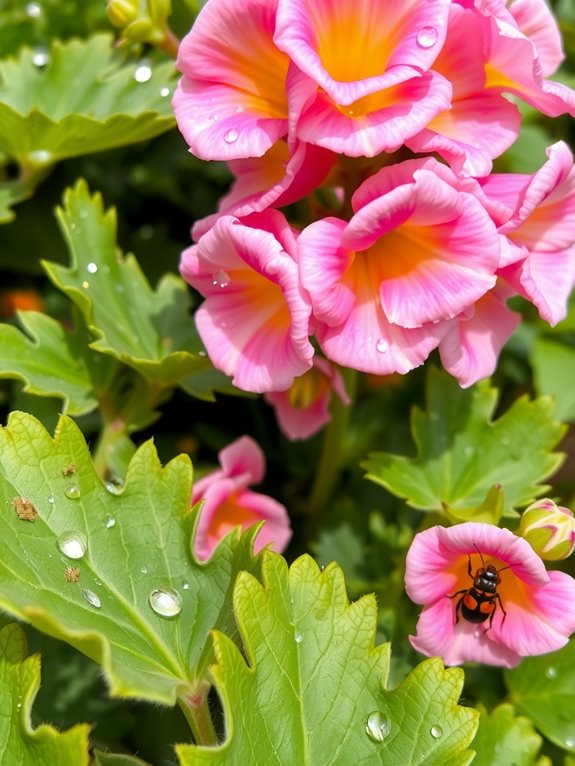
Your snapdragons face three main problems: rust fungus, harlequin bugs, and ethylene gas exposure. Each one requires a different prevention approach, though good air circulation helps with all of them.
Rust Fungus
Rust develops when moisture sits on leaves for extended periods. Water only at the soil level, never overhead. Space plants 12 to 18 inches apart to allow air to move between them freely. If you see rust lesions—small brown or orange spots with a powdery texture—remove the affected leaves immediately and dispose of them in the trash, not your compost pile. Improve spacing further if the problem persists.
Harlequin Bugs
These striped insects feed on plant sap and cause yellowing and wilting, especially during summer heat. Check the undersides of leaves twice a week for clusters of red and black eggs. Crush egg clusters by hand or spray them off with water. Remove any heavily damaged leaves. Harlequin bugs spread quickly, so act as soon as you notice them.
Ethylene Gas
Ethylene shortens flower lifespan and causes premature wilting. Keep snapdragons away from ripening fruit, exhaust fumes, and heating appliances. If you’re storing cut snapdragons indoors, place them in a separate room from produce.
General Prevention
Adjust your watering and spacing habits based on what you observe. Dry foliage and good air circulation prevent most problems before they start.
Rust And Disease Management
While snapdragons are relatively sturdy plants, they’re not immune to disease and pest pressures that can compromise their health and flowering. Rust is a common fungal issue you’ll want to monitor, especially in humid environments.
Monitor and Catch Problems Early
Check your plants regularly for rust spots on leaves and stems. Rust appears as reddish-brown pustules, usually on the undersides of leaves first. The earlier you spot it, the easier it is to stop from spreading to healthy foliage.
Remove Infected Parts Immediately
When you see rust, remove the affected leaves and stems right away. Cut them off with clean pruning shears and dispose of them in the trash, not your compost pile. Don’t leave diseased material on the ground where spores can spread.
Improve Air Movement Around Plants
Space your snapdragons 12 to 18 inches apart to allow air to flow between them. Prune off the lower leaves on each plant to reduce moisture buildup near the soil. Good airflow dries foliage faster and makes it harder for fungal spores to take hold.
Use Proper Soil and Watering Practices
Plant snapdragons in soil that drains well. Water at soil level in the morning rather than overhead, keeping foliage dry. Avoid adding excess nitrogen fertilizer, which produces soft new growth that’s more susceptible to disease.
Treat with Fungicide if Needed
If rust appears despite prevention, apply a fungicide labeled for snapdragons. Follow the product instructions for application rate and frequency. Remove infected sections first, then spray to protect the remaining healthy foliage.
Pest Control And Ethylene Awareness
Beyond rust, watch for harlequin bugs during the summer months. Check your plants regularly and remove these pests as soon as you see them. You’ll reduce pest problems and fungal diseases by maintaining these three practices: ensure good air circulation around your plants, use well-draining soil, and water at the base of plants rather than overhead.
If you’re cutting snapdragons for indoor arrangements, keep ethylene sensitivity in mind. Ethylene gas shortens vase life and reduces flower quality. Store your cut flowers away from ripening fruit and other ethylene sources like produce in storage areas. Planting multiple snapdragon varieties together naturally suppresses certain pest populations by changing the growing conditions around your plants. This mixed planting approach gives you better pest management without extra work.
Support Tall Snapdragons: When to Stake and Net
Why do tall snapdragons flop over just when they’re looking their best? Strong winds and heavy blooms can topple your plants without proper support. You’ll want to stake and net your snapdragons strategically to keep them upright.
When to Start Supporting Your Plants
Begin adding support when your snapdragons reach 4–6 inches tall. At this stage, install a single layer of support netting or use grow-through grids to stabilize the stems without crowding them. This early intervention prevents lodging before it becomes a problem.
Spacing and Pinching for Stronger Growth
Space your transplants 6–9 inches apart to encourage dense growth. When plants hit 4–6 inches, pinch off the top to encourage branching. This pinching creates multiple stems instead of one tall, weak stalk. Multiple stems naturally support each other better and resist tipping on their own.
Ongoing Support as Plants Grow
As stems rise, tie them loosely with soft plant ties. Make sure the ties are snug enough to hold the stem upright but loose enough that they don’t dig into the plant tissue. Avoid wrapping ties too tightly, as this can girdle and damage the stem. Your goal is to provide a framework that holds the plant in place without restricting its growth.