You’ll grow butterfly bush successfully by focusing on three core requirements: give it 6–8 hours of direct sun daily, plant it in well-drained soil, and prune in spring.
Water deeply once weekly during your first year. After that, water only during dry spells when the plant is established. This reduces the risk of overwatering, which causes root rot.
When planting, avoid clay-heavy soil by mounding up soil at the base to improve drainage. This simple step prevents most moisture-related problems before they start.
Deadhead spent flowers regularly throughout the growing season to encourage continuous blooms through fall. Remove flowers as soon as they fade rather than waiting for them to dry out completely.
These fundamentals address the main challenges with butterfly bush. Other care details exist, but mastering these four practices will get you solid results.
What Butterfly Bush Is and Why It Matters
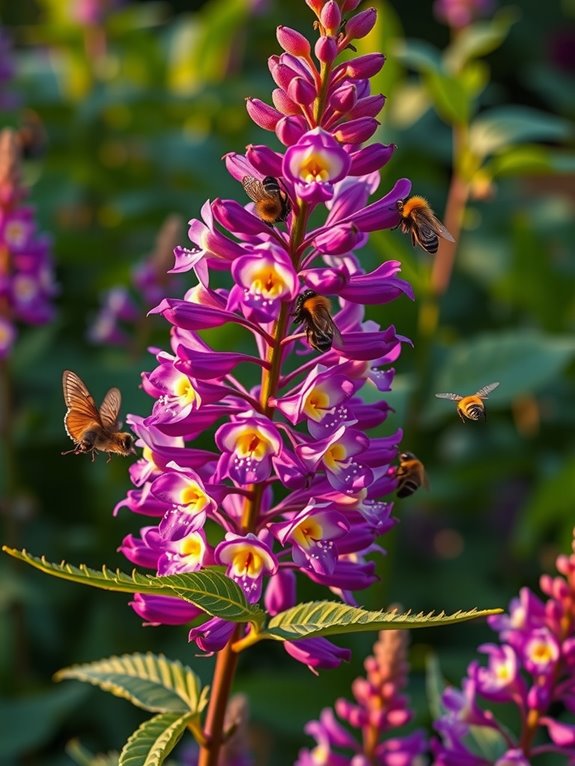
Ever wonder why butterfly bush earned its common name? Buddleia davidii attracts butterflies, hummingbirds, and other pollinators with its fragrant flower spikes. These nectar-rich flowers bloom from summer through fall, creating a reliable food source for wildlife in your garden.
This fast-growing, woody shrub typically reaches 4–10 feet tall. You’ll need to plant it in full sun—at least 6–8 hours daily—and in well-drained soil. These conditions prevent root rot and support strong flowering.
Before you plant, check your USDA hardiness zone and local regulations. Some butterfly bush varieties can spread aggressively in certain regions, while others are sterile seedless cultivars that won’t self-seed. Know which type grows in your area so you can make a responsible choice about what you’re adding to your landscape.
Full Sun and Perfect Drainage: Essential Site Requirements
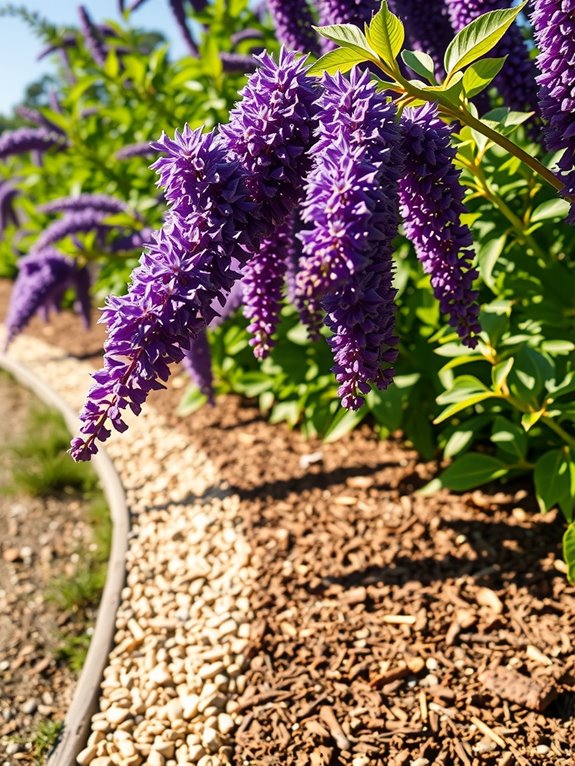
Why does location matter so much for butterfly bush? You’ll succeed with Buddleia when you prioritize two non-negotiable requirements: full sun and excellent drainage.
Your butterfly bush needs at least 6–8 hours of direct daily sun exposure for optimal blooming. If you garden in the South, morning or afternoon shade works only if your total sun time still reaches 6 or more hours. Don’t reduce your sun hours below this threshold.
Drainage is equally important. Waterlogged soil kills Buddleia, so you need well-drained conditions from day one. Plant directly into your natural soil without adding amendments at planting time. This keeps the soil structure intact and allows water to move through properly.
If you have clay soil, create a drainage hill. Position the crown of the plant slightly above ground level so water runs away from the base. Never pile mulch against the stems, as this traps moisture and causes rot.
This combination of adequate sun and proper drainage sets up your Buddleia for winter hardiness and steady growth from the start.
Choosing Buddleia Varieties for Your Conditions
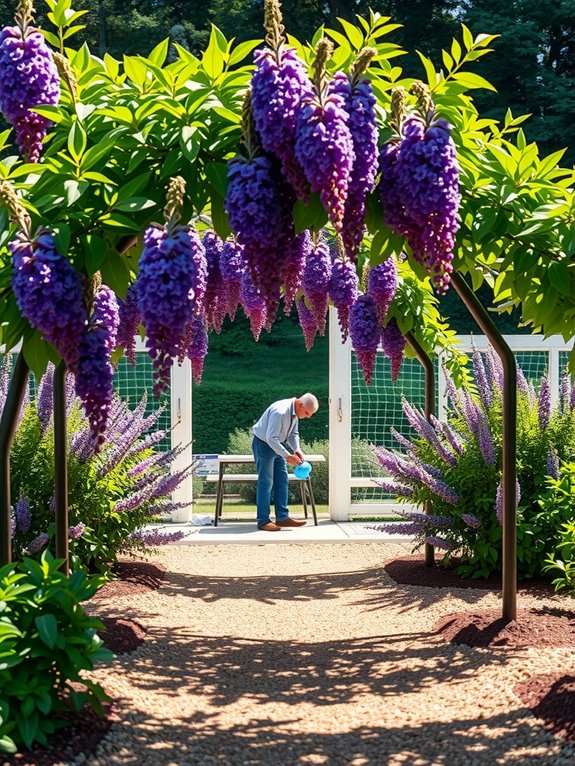
Now that your site has full sun and proper drainage, pick the right Buddleia variety for your space. You’ll find options ranging from compact to towering, so measure your garden before deciding.
With full sun and proper drainage in place, select a Buddleia variety sized appropriately for your garden space.
Dwarf Buddleia like the Pugster series and Lo & Behold grow 2–4 feet tall. These work well in containers and smaller yards where you don’t have much room to spare.
Full-size varieties such as Dark Knight reach 5–10 feet or taller. Choose these if you want a bold focal point and have the landscape space available.
Modern cultivars including Flutterby offer non-invasive growth with bloom colors in purple, pink, white, and magenta. If your region has strict invasive-plant guidelines, select sterile cultivars that won’t spread beyond where you plant them.
Check your hardiness zone before buying to know whether the variety survives winter in your area. These modern varieties grow reliably in full sun and well-drained soil, giving you responsible gardening results.
Planting Buddleia: Clay Soil Strategies and Best Practices
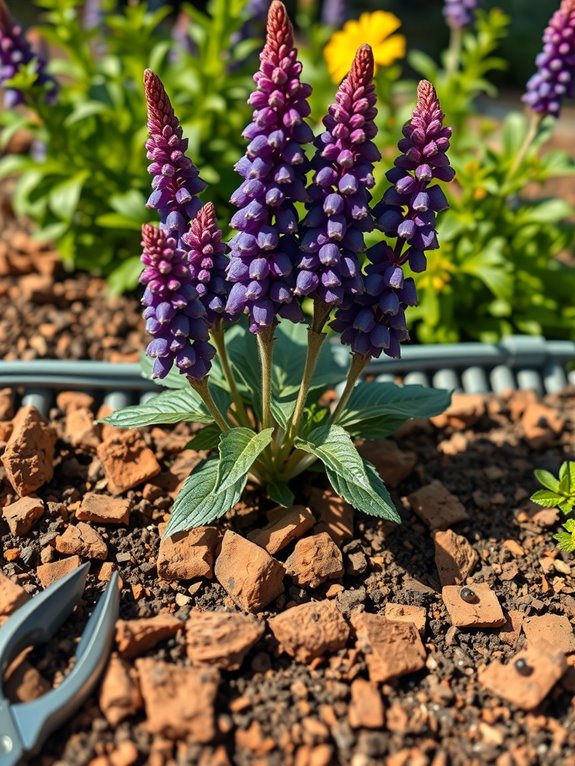
Planting Buddleia in clay soil requires a different approach than standard planting methods. The key is managing drainage from the start.
Dig a hole that’s slightly wider than your plant’s root ball but not deep. Position the base of the plant so it sits slightly above ground level. This elevated positioning creates a small mound that helps water drain away from the roots instead of pooling around them. Do not amend the hole with topsoil or compost. These materials hold moisture and will trap water against your plant’s roots, leading to rot.
Plant in spring rather than fall. This timing gives your butterfly bush several months to establish its root system before winter stress arrives. Spring planting is especially important if you live in zones 5 through 6, where cold temperatures can be harsh on newly planted shrubs.
Select a location that receives at least 6 to 8 hours of direct sunlight each day. Full sun exposure helps the plant grow strong and produce more flowers.
Water weekly during the first growing season while the plant is becoming established. Water enough to keep the soil from drying out completely, but avoid overwatering. Once the root system develops, the plant becomes more tolerant of both dry periods and clay conditions.
Keep mulch at least 3 to 4 inches away from the main stem. Mulch piled against the stem traps moisture and can cause rot or disease.
Dwarf Buddleia varieties adapt well to clay soil when given the same drainage-focused planting method.
Watering Your Buddleia: First Year vs. Established Plants
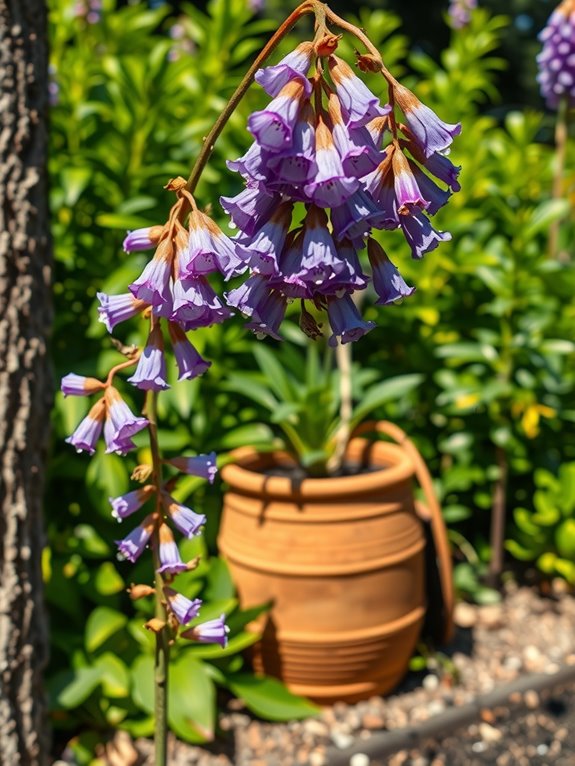
Getting your watering schedule right makes the difference between a butterfly bush that grows well and one that struggles. Your Buddleia care depends on understanding how water needs change as the plant matures.
First Year
During the first year, water thoroughly once a week. This settles the soil and helps roots establish themselves. Check the soil moisture regularly between waterings. It should dry out slightly—this encourages roots to grow deeper into the ground. Stop before the soil becomes soggy, especially in clay-heavy soil. Waterlogged conditions suffocate roots and weaken the stems.
Established Plants
Once your buddleia is established, it becomes drought-tolerant and needs much less attention. During the hottest months, give it a deep weekly soak only if rainfall has been light. This approach prevents overwatering, which reduces flowering and causes branches to die back. A mature plant that gets the right amount of water will perform well with minimal effort on your part.
Pruning and Deadheading for Continuous Blooms
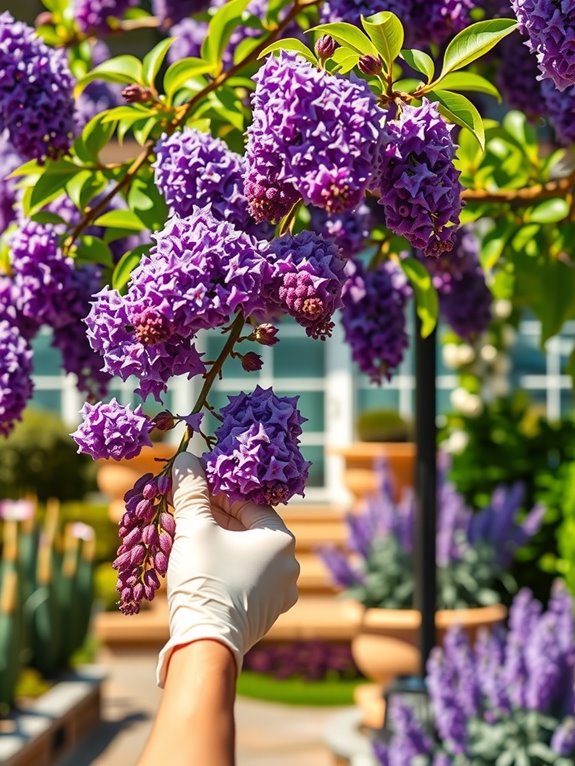
Start pruning your buddleia in spring once new growth appears. Cut just above healthy leaf buds to encourage a fuller, bushier plant. This approach works because cutting at the right spot triggers branching below the cut.
Deadhead spent flower spikes regularly throughout the blooming season. Remove flowers as soon as they fade and turn brown. This step keeps your plant flowering longer and stops the top-heavy growth that develops without regular maintenance.
Hard pruning in early spring works best for most buddleia cultivars. Cut back severely at this time to shape the plant and remove dead wood from winter. Avoid cutting back in fall, since pruning late in the season opens wounds that frost can damage, weakening your plant’s ability to grow back strong the following spring.
Spring Pruning Timing Guide
When spring arrives and you see green buds forming on your buddleia, that’s your signal to prune. Waiting for this visible growth matters because pruning too early exposes tender new shoots to frost damage. You’re also timing the plant’s natural growth cycle to produce the most flowers.
Start by cutting just above healthy leaf buds at a 45-degree angle. Direct your cuts so new growth points outward, away from the center of the plant. This creates a more open structure and prevents crossing branches.
Over the next several weeks, watch for new growth emerging from your cuts. Once you see shoots developing, you’ll know the plant is responding well to pruning.
Flower clusters will form on this fresh growth throughout the season. Since your buddleia produces flowers on new wood, your pruning timing directly controls how many blooms you’ll get.
In warmer climates, cut more aggressively during spring pruning. This prevents the plant from becoming top-heavy and leggy. A heavier cut encourages stronger branching lower on the plant.
After flowers appear, deadhead regularly by removing spent blooms. This pushes the plant to produce more flowers and keeps the shape neat. Remove flower clusters as soon as they fade rather than waiting for them to dry completely.
Deadheading Spent Flower Spikes
Once your spring pruning produces those first flower clusters, your job shifts to maintaining the blooms you’ve worked to encourage. Deadheading spent flower spikes redirects your butterfly bush’s energy toward new growth rather than seed production. This simple maintenance step keeps your plant flowering through late summer.
How to Deadhead Properly
Cut just above healthy leaf buds, removing only the spent portion. Use sharp pruners to make clean cuts without damaging the underlying growth. You’ll want to position your cuts about a quarter inch above where leaves emerge from the stem. Remove the entire faded flower spike, but leave the woody stems and developing buds intact.
When and How Often
Deadhead after flowers fade. Do this regularly throughout the season, from summer into fall. Light trimming between bloom cycles keeps the plant looking neat while encouraging new flowers to form. Avoid heavy pruning during the growing season, as this removes too much flowering wood and slows bloom production.
What Happens Next
When you remove spent blooms, the plant stops putting energy into making seeds. Instead, it directs that energy into producing new flower clusters. This triggers repeated flowering cycles, keeping your Buddleia blooming longer than if you left the spent spikes on the plant. The more consistently you deadhead, the more flowers you’ll see over the course of the season.
Maintaining Shape And Vigor
How do you keep a butterfly bush from becoming leggy and overgrown while still getting maximum flowers? Strategic buddleia pruning maintains both shape and vigor while boosting bloom production.
Start pruning in spring once you see new growth emerging. Cut just above healthy leaf buds, and you’ll see blooms within several weeks. Remove any dead wood and damaged branches first to encourage healthy development.
Next, cut back top-heavy growth. In warm climates, prune more aggressively. In cooler regions, take a gentler approach since the plant needs more time to recover before winter arrives. This difference matters because harsh winters can damage plants that were cut too heavily in late summer.
Deadhead spent flowers regularly throughout the growing season. This triggers continuous blooming and prevents the plant from putting energy into seed production instead of new flower clusters. Regular deadheading also keeps the plant looking neat and prevents that “second story” problem where growth becomes sparse at the base.
Timing is important here. Avoid heavy pruning after late summer, as new tender growth won’t have time to harden off before cold weather arrives. Stick with light deadheading and maintenance pruning once you reach late summer. Your plant will stay shapely and produce flowers abundantly when you follow this consistent approach.
Troubleshooting: Root Rot, Weak Stems, and Winter Damage
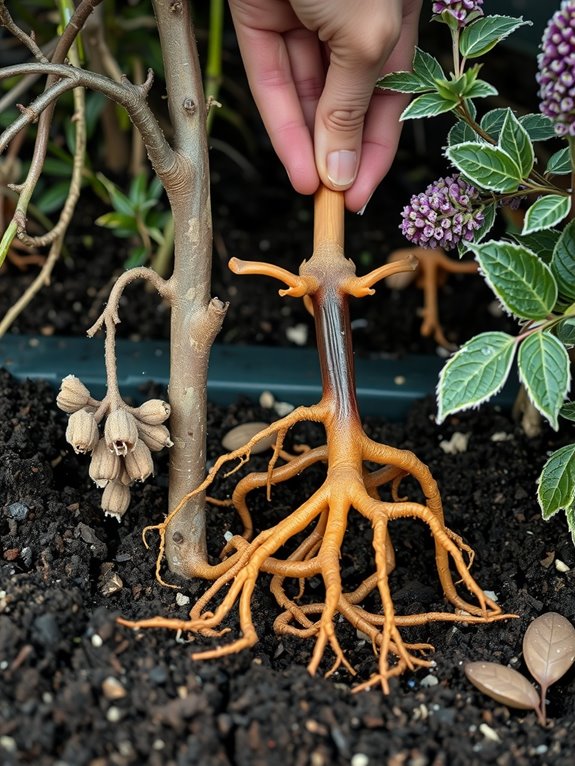
Root Rot, Weak Stems, and Winter Damage****
Buddleia plants struggle or succeed based on whether you handle the basics correctly. Root rot happens when soil stays too wet. Buddleia roots cannot sit in waterlogged conditions. If you have clay soil, work in coarse sand or perlite to improve drainage. Aim for soil that drains within a few hours after watering.
Weak stems come from two sources: overwatering and insufficient light. Your Buddleia needs 6 to 8 hours of direct sunlight daily. Once the plant is established, water only when the top inch of soil feels dry to the touch. Let the soil dry out between waterings rather than keeping it consistently moist.
Winter die-back occurs in zones 5 and 6, but your plant will regrow from the root crown in spring. The mistake most people make is pruning in autumn. Fall pruning wounds stimulate tender new growth that frost will kill. Instead, wait until spring. Prune only after you see green buds forming on the stems.
Mulch placement matters. Keep mulch 3 to 4 inches away from the main stems at the base of the plant. Mulch piled against the stems traps moisture and encourages rot at the crown. A thin layer of mulch around the plant (not touching it) helps regulate soil temperature and moisture in the root zone without creating problems.