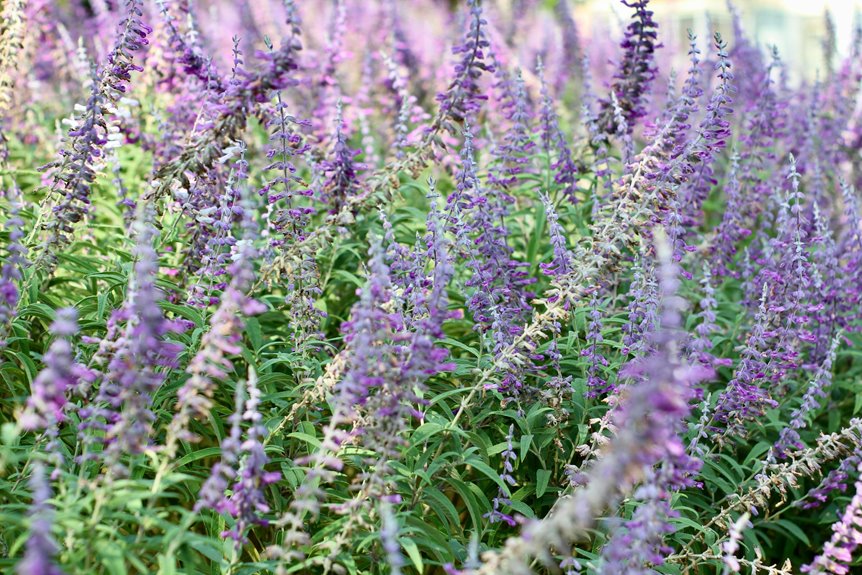
To care for salvias, give them six or more hours of direct sun daily. Plant them in well-drained soil since they dislike soggy conditions.
Water when the top inch or two of soil feels dry to the touch, then let it dry out again before watering. This cycle prevents root rot and keeps plants healthy.
Fertilize sparingly in spring with compost or time-release fertilizer. Salvias don’t need heavy feeding and will do fine with minimal nutrients.
Prune salvias to half their size in spring to encourage bushy growth. Deadhead spent flowers throughout the growing season to push the plant to produce more blooms. Space plants properly to allow air to flow between them, which reduces disease problems.
These steps cover the basics. Different salvia varieties have specific needs, and understanding how to use them in garden design takes additional knowledge and practice.
Choose the Right Location for Salvias
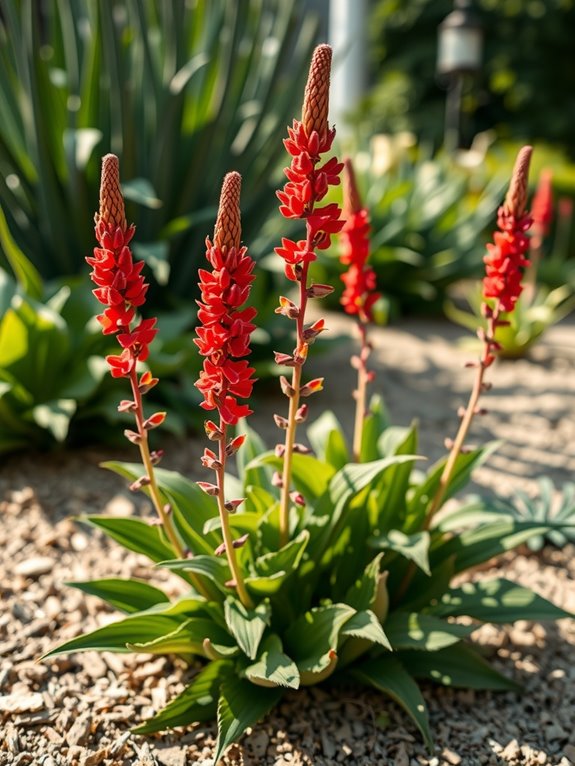
Where you plant your salvias affects how well they grow and bloom. These plants need full sun—aim for six or more hours of direct sunlight each day. The more sun they get, the better they’ll bloom and the stronger their growth will be.
Pick a spot with well-drained soil. Salvias don’t like soggy conditions or soil that’s too rich in nutrients. Both of these problems create weak, leggy stems and poor plant structure. If your garden holds onto moisture, add sand or gravel to the area to improve drainage.
Think about how big your salvia variety will be when it’s fully grown. Space plants between 1.5 and 6 feet apart, depending on the variety. Good spacing lets air move around the plants and prevents them from crowding each other as they develop.
Plant Salvia at the Correct Depth and Spacing
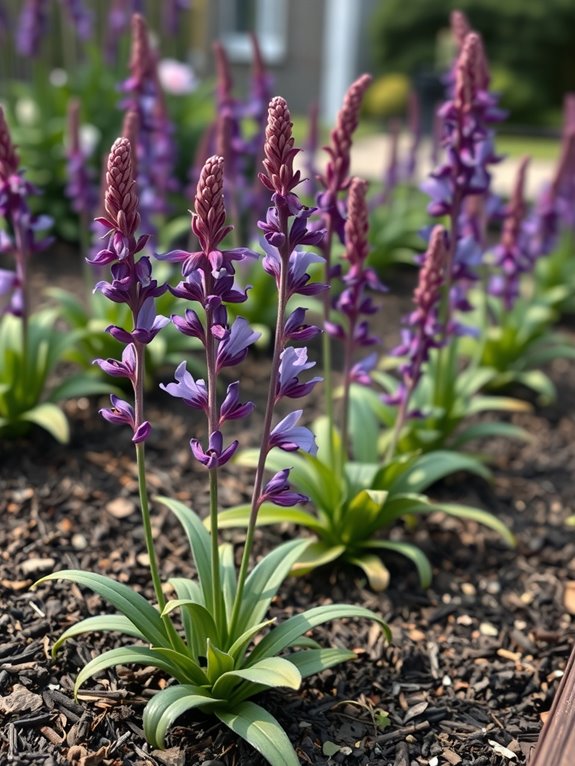
When you’re ready to plant your salvia, dig a hole that’s slightly wider and deeper than the root ball. This gives you room to loosen the surrounding soil and lets the roots spread out properly.
Position the salvia so the top of the root ball sits level with the soil surface—not deeper. Backfill the hole carefully to remove air pockets, then water it in thoroughly.
Space your plants 1 to 3 feet apart. The exact distance depends on the variety you’re growing and how wide it will get at maturity. Check the plant label or growing guide for your specific salvia type to determine the right spacing for best results.
Root Ball Positioning
How you position your salvia’s root ball directly affects how well it’ll establish itself in your garden. The top of the root ball should sit level with the surrounding soil surface when you backfill and firm the soil. This matches the depth the plant had at the nursery.
Start by digging a hole slightly wider and deeper than the root ball itself. Break up any compacted earth around the hole to improve drainage. Before setting the plant in place, tease out any tangled roots by gently separating them with your fingers. This helps roots spread into the surrounding soil instead of staying wound up.
Once the plant sits at the right depth, backfill gradually with soil. Tamp the soil firmly as you work to remove air pockets that could leave the root zone dry. Water thoroughly to settle everything and eliminate remaining air gaps. The gradual backfilling and firm tamping prevent the plant from settling too deep later on, which could cause problems with rot or poor establishment.
Spacing Requirements By Variety
Different salvia varieties need different amounts of space to thrive. Compact cultivars work well at 1.5 feet apart, while large, tall varieties need up to 6 feet between plants. This spacing depends on each variety’s mature width and growth habit.
Check your salvia’s expected size at maturity before planting. Look at the plant tag or description to find the mature width, then space accordingly. For a massing effect where plants create a solid visual block, position them closer together. For edging along pathways or borders, adjust spacing based on how wide that specific cultivar spreads.
When you plant, position each root ball so its top sits level with the surrounding soil. This proper planting depth, combined with correct spacing, supports healthy, vigorous growth from the start.
Soil Preparation And Loosening
Once you’ve figured out the right spacing for your salvia variety, prepare the soil where you’ll plant it. Start by loosening the planting area thoroughly. Use a garden fork or tiller to break up compacted soil and create space for roots to move into easily.
Mix in organic matter like compost or aged manure. Work these amendments into the top 6 to 8 inches of soil. This step improves both drainage and nutrient availability, which salvias need to grow well. Salvias don’t tolerate waterlogged conditions, so drainage is particularly important.
As you work the amendments in, break up any remaining compacted areas. Mix everything together until the soil feels loose and crumbly. This preparation creates the right conditions for healthy root development and better plant establishment over time.
Water Salvias Without Overwatering
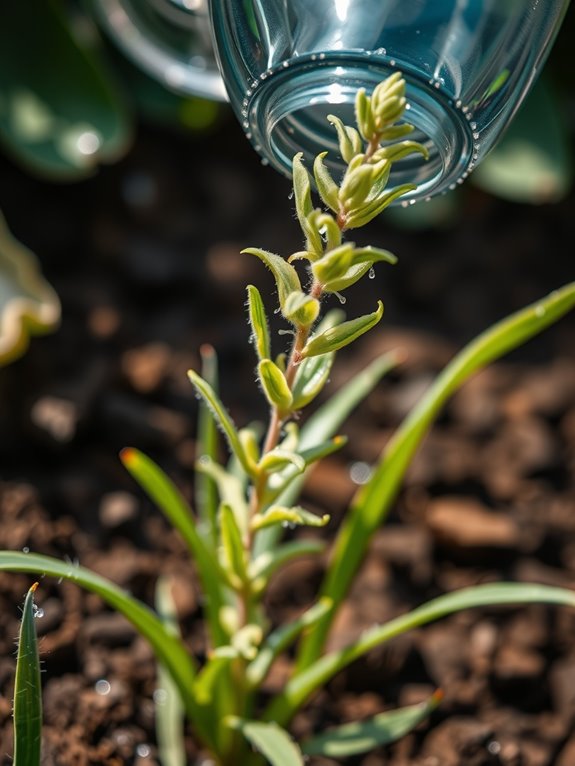
What’s the trick to watering Salvias without drowning them? Keep the top 1–2 inches of soil dry before watering again. The soil should stay moist but never waterlogged. This balance stops root rot and powdery mildew from developing on overwatered plants.
Check your soil with your fingertip before watering. Push it into the soil about an inch. If it feels dry at that depth, water thoroughly. If it still feels damp, wait another day.
Once established, Salvias handle drought well. During heat waves or dry spells, they need more frequent watering to keep the soil consistently moist. Container plants dry out faster than in-ground soil, so water them more often. Always check that water drains from the pot’s bottom holes.
Drainage matters most. Without it, you lose the battle against root rot. Look at your soil type before planting. Add coarse sand or perlite to heavy clay soil to improve drainage. Potting mixes should contain peat moss, bark, or coconut coir mixed with perlite.
Fertilize Salvias Sparingly to Prevent Legginess
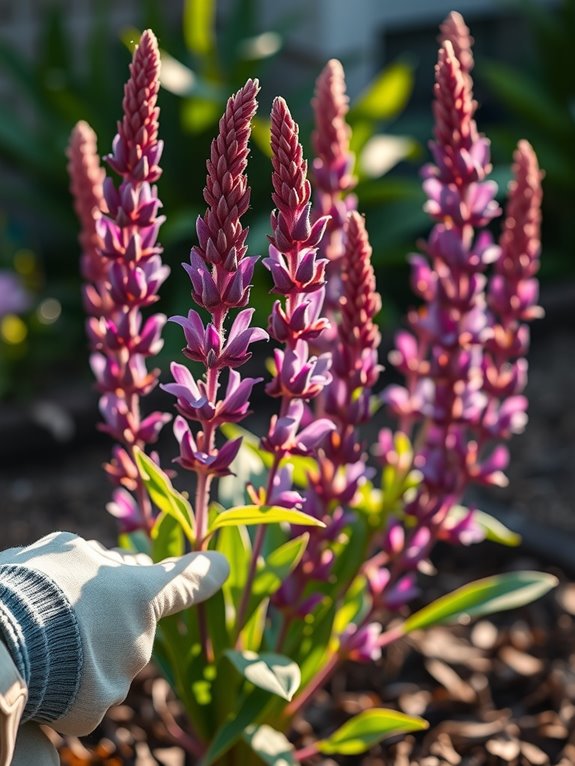
Salvias are naturally light feeders, so they don’t need much fertilizer to stay healthy. In spring, apply only a thin layer of compost or balanced time-release fertilizer, then hold back. Heavy nitrogen causes leggy growth and weak stems that you want to avoid.
When you fertilize salvias, less is genuinely more. Over-fertilizing creates floppy plants that topple over easily. Watch your new growth carefully for signs of legginess, especially in containers where potted plants have unpredictable nutrient needs depending on your potting mix. Start with minimal fertilizer and adjust gradually as you learn what your plants need.
Regular pruning and deadheading do more to maintain plant shape than fertilizer ever will. These practices keep your salvias compact and encourage rebloom while reducing your nutrient management work. If leggy stems appear, cut them back rather than feeding more. Then rebalance both your watering and feeding approach together to get your plants back on track.
Deadhead Salvias to Extend Flowering
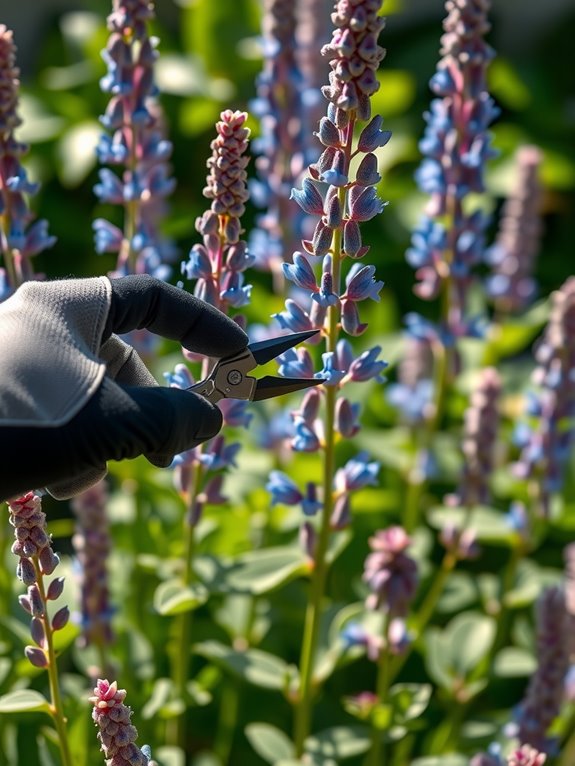
While pruning and fertilizer management lay the groundwork for healthy salvias, deadheading is what actually keeps the flowers coming all season long. Start deadheading once flowering begins. Remove faded flower stalks between the highest leaves and the lowest spent flowers. This practice promotes rebloom and maintains a neat appearance throughout the growing season.
To deadhead effectively, cut back spent flower stalks while preserving the new growth underneath. Work before stems become woody or bare, since this encourages soft new growth rather than hard, rigid stems. The timing here matters. Remove spent blooms as soon as you notice them. The sooner you take them off, the more energy your salvia directs toward producing fresh flowers instead of making seeds.
Continue regular deadheading from early summer through fall. You’re telling the plant to keep blooming rather than focus on seed production. Stay consistent with this task, and your salvias will flower throughout the entire season.
Prune Salvias in Spring for Fuller Growth
As spring arrives and new growth begins to emerge, it’s the perfect time to prune your salvias back hard for a fuller, bushier plant.
For herbaceous perennials, remove dead stems completely by cutting them back to the ground as fresh shoots appear. This approach encourages your salvias to develop a denser, more attractive form.
Shrub salvias need slightly different attention. Cut them back by one-third to one-half their current size. While you’re pruning, remove any dead, diseased, or damaged branches you notice.
Timing matters here. Prune in spring rather than immediately after flowering. Your plant will respond better to pruning at this time, when it’s ready to push out vigorous new growth. You’re giving your salvias a fresh start and setting them up for robust development and better flowering throughout the season.
Protect Tender Salvias Over Winter
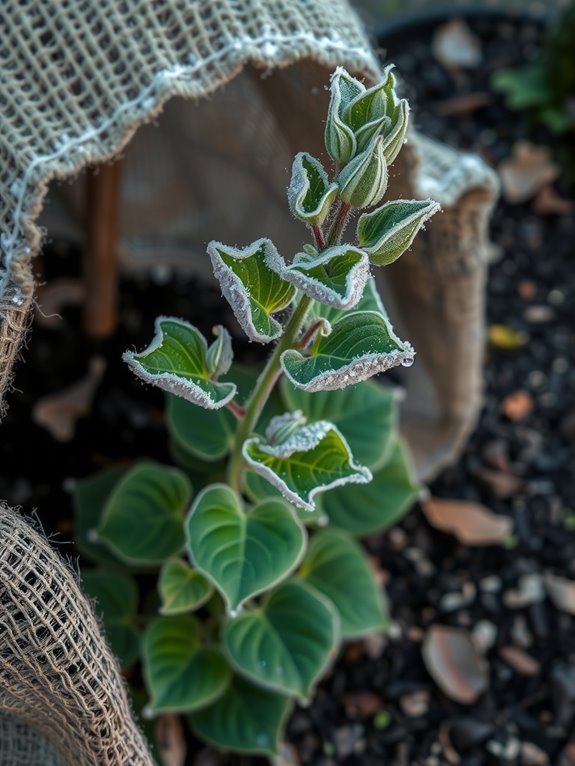
Once you’ve pruned your salvias in spring, plan ahead for winter protection. These tender plants need specific care to survive the cold months and return to blooming next year.
Protect roots with mulch. Spread a light layer of mulch around the base of outdoor plants. This insulates the soil and helps it hold moisture during freezes. Apply 2 to 3 inches of mulch, keeping it a few inches away from the stem to prevent rot.
Move containers indoors when necessary. If temperatures will drop below freezing for extended periods, move potted salvias inside to a bright window. A south-facing window works best. This reduces cold stress on the plants significantly and keeps them growing steadily through winter.
Shield plants from wind. Position outdoor salvias away from harsh winds that dry out leaves and cause frost damage. If your garden gets windy, create a barrier using burlap, stakes, or nearby structures. Wind combined with cold temperatures causes more damage than cold alone.
Check moisture levels regularly. Plants indoors may dry out faster due to heating. Check the soil every few days and water when the top inch feels dry. Outdoor plants need less frequent watering once they slow their growth, but don’t let soil dry out completely during freezes.
When spring arrives and temperatures warm, your salvias will be ready to leaf out and produce flowers again.
Grow Salvias in Containers Successfully
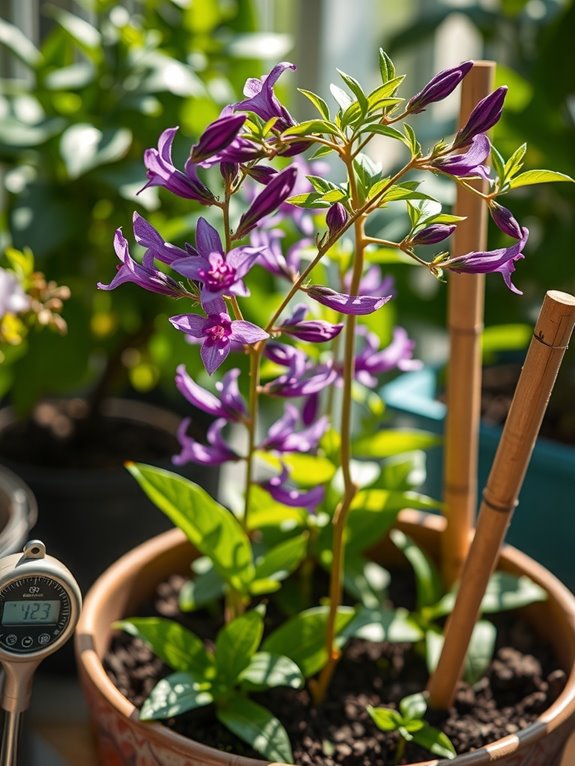
Why grow salvias in pots? They move wherever you need them, and you control their growing conditions. Container gardening is a practical skill that works well once you understand the basics.
Container gardening lets you move salvias anywhere and control their growing conditions with practical ease.
Container Requirements
Start with a pot that’s at least 8 inches deep and has drainage holes in the bottom. Drainage matters most—waterlogged roots lead to rot and dead plants. Use unglazed clay if possible because it lets moisture evaporate naturally through the sides, which helps prevent soggy soil. Glazed pots trap more water, so they work too, but you’ll need to adjust your watering.
Fill the container with high-quality, well-draining potting mix. This mix holds just enough water for roots while letting excess drain away quickly. Don’t use garden soil from your yard—it compacts in pots and suffocates roots.
Location and Light
Place your salvias in a spot with at least 6 hours of direct sun daily. More sun means stronger, bushier plants. Less light produces weak, stretched-out growth.
Watering and Drainage
Water when the top 1 to 2 inches of soil feel dry to the touch. Containers dry out faster than ground gardens, so you’ll water more often, especially in hot weather. Check the soil every few days until you learn your plant’s pattern.
The biggest threat to container salvias is root rot from overwatering. A solid drainage setup stops this problem before it starts. Make sure water actually flows out the bottom holes when you water.
Feeding Your Plants
Apply a balanced, time-release fertilizer in spring only. Use it sparingly—too much fertilizer makes salvias grow tall and leggy with fewer flowers.
Winter Care
In cold climates, bring pots inside when temperatures drop. Move them to a cool, bright spot indoors for the season. In spring, move them back outside once frost danger passes. This simple step lets you grow salvias year after year.
Identify and Treat Common Salvia Problems
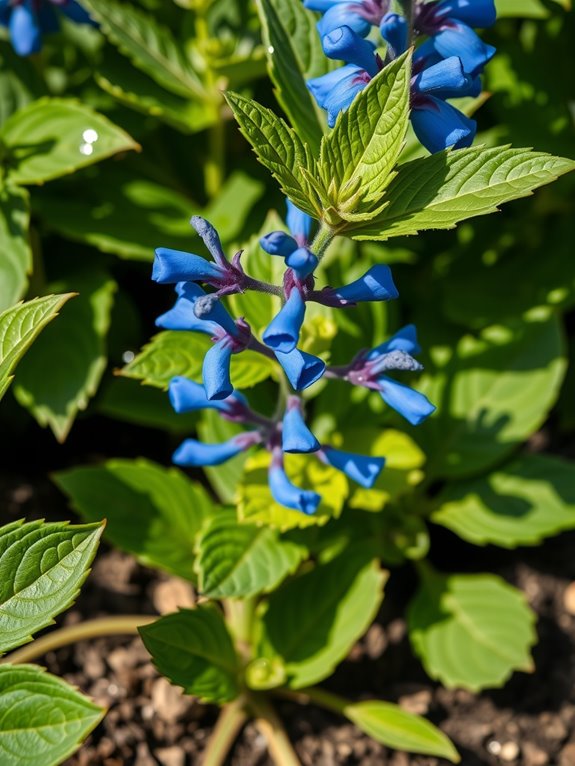
Even with good care, salvias can run into trouble. Most problems are preventable and fixable once you know what to watch for. You’re not alone in facing these challenges, and catching them early keeps your plants healthy.
Root Rot and Powdery Mildew
These fungal problems happen when soil stays too wet. Check your drainage first. Water should move through the soil quickly, not pool on top. Space your plants far enough apart so air can move freely between them. Water at the base of each plant during morning hours rather than from above. This keeps foliage dry and reduces disease risk.
Apply mulch 2 to 3 inches away from the plant crown. This prevents rot while helping soil hold onto moisture longer.
Pest Damage
Slugs, spittlebugs, and spider mites chew holes in leaves and weaken plants. Check the undersides of leaves regularly since pests often hide there. For light infestations, spray affected areas with a strong stream of water from your hose to knock pests off. For heavier problems, use insecticidal soap according to package directions. Organic deterrents like neem oil also work well. Repeat treatments every 7 to 10 days until pests disappear.
Declining Blooms
When flowering slows down, your salvia needs pruning and deadheading. Remove dead flower clusters by pinching them off with your fingers or using pruning shears. In spring, cut back dead stems to healthy growth. This removes the plant’s energy from making seeds and redirects it toward new blooms.
Choose Garden Partners for Your Salvias
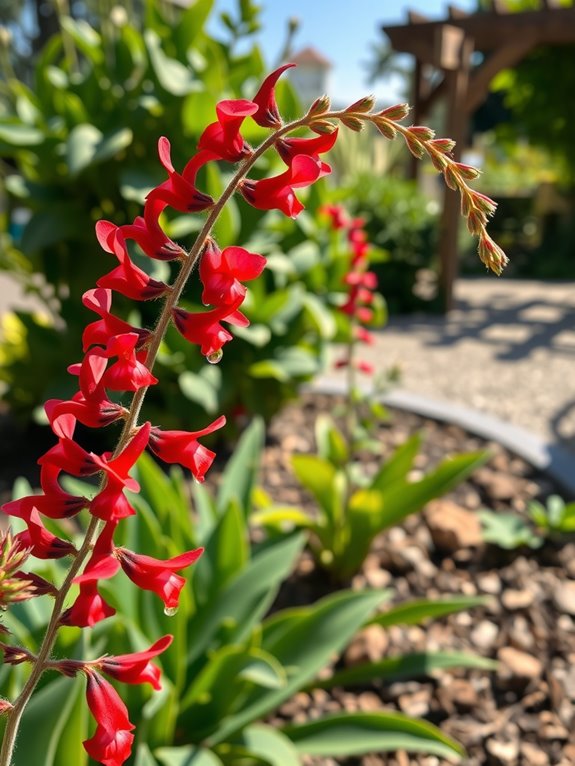
Pair your salvias with plants that like the same growing conditions: full sun and well-drained soil. Good companion choices include lavender, Black-eyed Susans, coneflowers, and Russian sage. These plants work well together because they share similar water and light needs.
Create visual interest by layering plants by height. Use upright salvias as your tallest layer. Add mid-height plants in front of them for the middle layer. Include trailing plants like sweet potato vine or dichondra at the edges to spill over and soften the bed’s edges.
Before planting, check the hardiness zone for each companion plant you select. Make sure every plant in your grouping survives winter in your area. Mismatched zones mean some plants won’t make it through the cold months, leaving gaps in your garden next spring.
Companion Plant Selection
How do you turn a single salvia into a garden display. You pair it with the right companions.
Pick Plants That Match Your Salvia’s Needs
Start with pollinator-friendly plants like bee balm, Russian sage, and Japanese anemone. These work well because they want the same conditions your salvia does—full sun and well-draining soil. When plants share basic needs, they’re easier to maintain together in the same space.
Create Layers With Different Textures****
Combine salvias with sun-loving plants such as lavenders, coneflowers, and ornamental grasses. These different plants create visual interest through varied heights and textures. Place taller plants in back and shorter ones in front so each one gets adequate light.
Stagger Your Bloom Times****
Choose species that flower at different times throughout the season. This approach keeps nectar sources available for pollinators from spring through fall rather than having everything bloom at once then go bare.
Know What to Avoid
Skip pairing salvias with shade plants or species that need constantly wet soil. Salvias are sun and drainage plants, so companions with opposite requirements will struggle and decline in the same bed.
Use the Thriller-Filler-Spiller Method for Containers
For container gardens, combine salvias as your thriller (tall centerpiece) with plants like sweet potato vine or dichondra as your spiller (trailing plant). This creates a full, balanced look in a pot.
Design and Layering Strategies
Plan your salvia beds using three distinct height levels. Arrange tall varieties in the back, mid-height salvias in the middle section, and compact types along the front edges. This basic structure gives your garden visual depth and makes it look intentional rather than random.
Use pathway edges for groundcover salvias and smaller spreading varieties. These plants fill spaces between taller selections and create a complete, finished look. When you mass shorter salvias together along walkways, they guide visitors naturally through your garden while preventing bare patches of soil.
Pair salvias with other perennials to add color variation and texture. Russian sage works well behind tall salvias. Lantana fits in the middle layer alongside mid-height salvias. Sweet potato vine suits the front edges with compact varieties. Dichondra covers ground-level transitions along pathways. These combinations extend your bloom period since different plants peak at different times, and they draw pollinators to your beds consistently.
| Salvia Height | Placement | Companion Plants |
|---|---|---|
| Tall | Back borders | Russian sage |
| Mid-height | Middle layers | Lantana |
| Compact | Front edges | Sweet potato vine |
| Groundcover | Pathway edges | Dichondra |
| Mixed | Container designs | Trailing varieties |
This layered approach creates beds that feel organized and cohesive rather than haphazard. Guests notice the difference between carefully planned gardens and those left to chance.
Divide or Propagate Salvias to Expand Your Garden
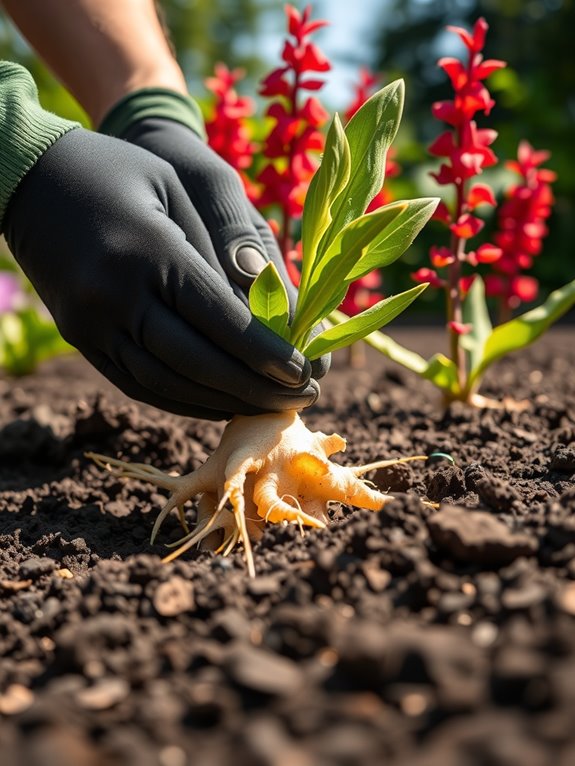
Once you have a healthy Salvia growing in your garden, you can create new plants through division, stem cuttings, or seeds. Each method works well if you follow the right steps.
Division
The best time to divide is early spring. Dig up your plant and carefully split the root ball into smaller sections, making sure each piece has foliage attached. Replant each section at the same depth it was growing before, then water thoroughly. Dividing clump-forming salvias every few years keeps them bushy and prevents them from getting too crowded.
Stem Cuttings
Take cuttings in spring from new growth. Cut 4-6 inch sections just below a leaf node. Strip the lower leaves and place the cutting in moist potting mix. Keep the soil consistently moist and place the pot in a warm, sunny location. Roots will develop in 4 to 6 weeks. Once roots form, you can transplant into larger containers or directly into the garden.
Seeds
Sow seeds in well-draining potting mix and keep the soil consistently moist. Place the seed tray in a warm, sunny spot. Once seedlings are large enough to handle without damage, transplant them into individual pots or the garden.
Caring for New Plants
Care for your newly propagated plants the same way you care for mature Salvias. They need the same watering schedule, light conditions, and soil type as established plants.