
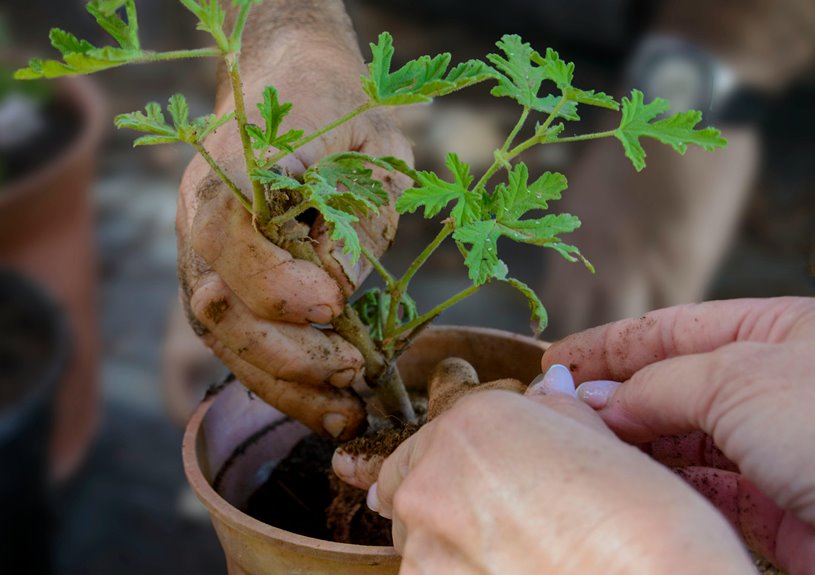
Plant your citronella outdoors in spring, spacing plants 18–24 inches apart in well-draining soil with partial shade. Water deeply when the top inch of soil dries out, but avoid letting the soil stay soggy. Your plant needs at least six hours of direct sunlight daily. If you’re growing citronella indoors, place it near a south-facing window or use grow lights to meet this requirement.
Pinch off the soft tips every two weeks to encourage dense, bushy growth and stronger fragrance. This simple action makes a real difference in how full your plant becomes. During the growing season, apply balanced fertilizer once a month according to the package directions.
When frost approaches in fall, bring your plant indoors before temperatures drop. Trim it back to six inches tall to prepare it for winter dormancy. Reduce watering at this time since the plant needs less moisture during the cold months. Resume regular watering and feeding once new growth appears in spring.
Understanding Citronella: What It Is and Why It’s Worth Growing
Consider adding a citronella plant to your garden if you want a natural way to keep mosquitoes away. The plant works by releasing a fresh citrus smell that repels insects while being pleasant to humans. You have two main ways to use it: rub the leaves directly on your skin for immediate protection, or position several plants around your patio to create a mosquito-free area.
Citronella grows as an evergreen in tropical zones 9–11. If you live somewhere cooler, you’ll need to grow it as an annual and replant each year. Beyond its practical use, the plant has real visual value. Its dense foliage looks good in pots on decks and patios, so you’re getting both pest control and attractive landscaping in one plant.
Planting Citronella Outdoors: Spacing and Setup
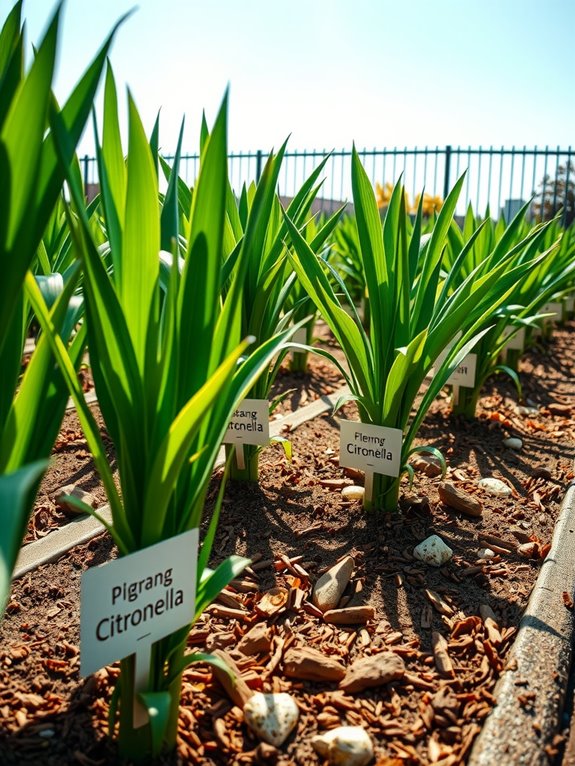
Plant your citronella outdoors in spring after frost passes. Space each plant 18 to 24 inches apart, the same spacing you’d use for tomatoes.
Select a location that gets partial shade and has fertile, well-drained soil. Mix 3 inches of aged compost into your top 6 inches of existing soil. You can use Miracle-Gro Performance Organics All Purpose In-Ground Soil for best results.
Water your plants so the soil stays evenly moist during warm weather. Check the top inch of soil and water deeply when it dries out. Avoid letting the soil get soggy, as this damages roots. This balanced approach to spacing and soil care gives your citronella plant the conditions it needs to grow well throughout the season.
Watering Your Citronella Plant and Choosing the Right Soil
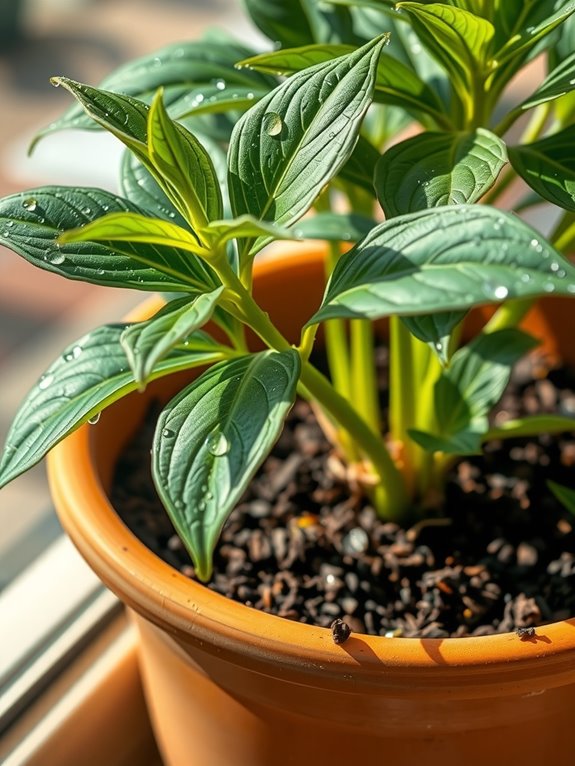
How often you water your citronella depends on its location. If it’s growing outdoors in warm weather, keep the soil evenly moist but let the top inch dry between waterings. When fall and winter arrive, allow the top two inches to dry first. Use the finger test at soil depth—not just the surface—to check moisture accurately. Container plants dry faster than in-ground plants, so check them more often.
When you water, do it deeply until water flows from the pot’s bottom. This prevents soggy roots and supports healthy growth.
For container plants, mix all-purpose soil with 20–30% perlite or pumice to improve drainage. If you’re planting directly in the ground, mix three inches of aged compost into the top six inches of your existing soil. Both methods boost drainage and add nutrients your plant needs.
Getting Light Right Year-Round
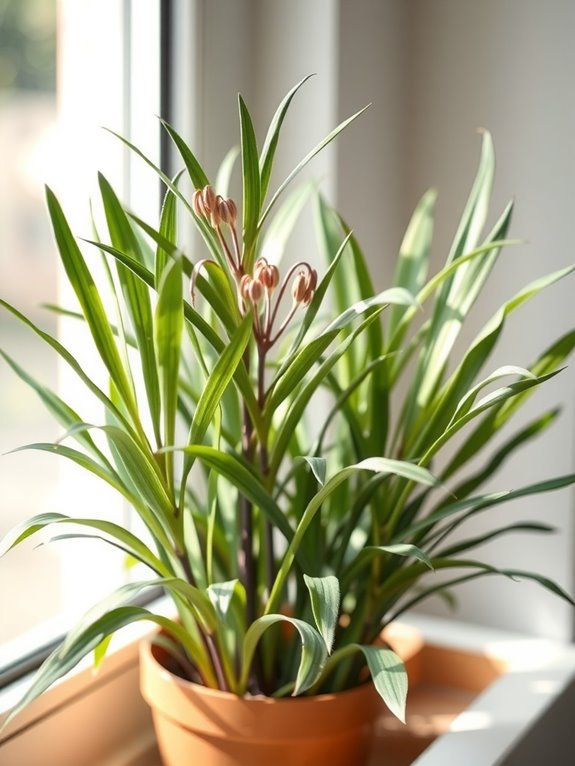
Getting Light Right Year-Round
Light is one of the most important factors in keeping your citronella plant healthy and fragrant, so it’s worth getting it right. Your citronella plant light needs vary depending on where you grow it, but consistency matters most.
Outdoors: Provide at least 6 hours of direct sun daily. In very hot climates, give your plant afternoon shade to prevent the leaves from scorching.
Indoors: Place your plant near a bright south or west-facing window. If natural light is limited, use a grow light and run it for 12 to 14 hours each day. This keeps your plant strong and maintains its scent.
Rotation: Turn your pot once a week. This ensures even light exposure on all sides and stops stems from leaning toward the light source.
When your plant doesn’t get enough bright light, the stems become leggy and spread out, then flop over. The fragrance also weakens noticeably. You’ll see results quickly once you improve the light conditions. Pair good bright light with light feeding, and your plant will stay healthy and aromatic all year long.
Why Your Citronella Plant Turns Yellow (and How to Fix It)?
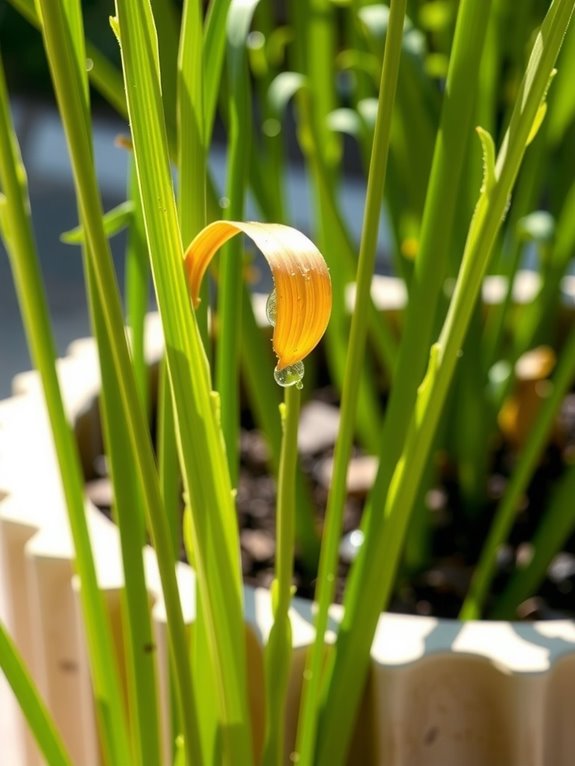
Yellow leaves on your citronella plant usually mean one of two problems: you’re watering too much or the plant isn’t getting enough light.
Watering Issues
Overwatering is the most common cause. When you water too frequently, the soil stays soggy and suffocates the roots. Check the top inch of soil with your finger before watering again. If it still feels damp, wait a few more days. Make sure your pot has drainage holes at the bottom so excess water can escape. This simple step prevents water from pooling around the roots.
Light Requirements
Citronellas need plenty of light to stay healthy and green. Without adequate sunlight, their foliage turns pale and yellow-tinged. Move your plant to a brighter location, ideally a spot that gets several hours of direct or bright indirect light each day. A south-facing window works well if you live in a temperate climate. If natural light is limited in your home, consider placing the plant near a window or using a grow light positioned 6 to 12 inches above the plant.
Once you’ve adjusted the watering schedule and improved the light situation, your citronella should start showing new green growth within a few weeks.
Overwatering and Poor Drainage
One of the most common mistakes with citronella plants is watering too frequently. When you overwater, poor drainage causes root rot, and your plant shows clear warning signs pretty quickly.
Watch for these problems:
- Limp growth paired with soil that stays constantly wet
- Yellowing leaves across the plant
- Mushy, soft stems that feel fragile to the touch
To fix drainage issues, start with containers that have drainage holes in the bottom. Mix perlite or pumice into your soil at a ratio of about 1 part amendment to 3 parts regular potting soil. Avoid pots that are oversized for your plant, since they hold too much moisture around the roots. Between waterings, let the top inch of soil dry out completely before you water again.
If yellowing has already started, flush the pot with plain water to remove fertilizer salts that build up in the soil. After flushing, wait several days before you resume watering. Then water only after the soil dries completely. Stick to light, regular watering going forward rather than heavy doses at once.
Light Deficiency and Nutrition
Have you noticed your citronella plant looking pale and stretched out? Insufficient light causes yellowing and weak fragrance as stems stretch toward the sun. You need to prioritize proper light exposure right away.
Aim for 6 or more hours of direct sun outdoors. If you’re keeping your plant indoors, place it in a bright south or west-facing window. When natural light isn’t available, use a grow light set to run 12 to 14 hours daily.
Once you’ve improved light conditions, reassess your irrigation and nutrition. Overfeeding causes salt buildup that browns leaf tips. If you see this happening, flush the pot thoroughly with water to remove excess salts from the soil.
Continue with basic maintenance to help your plant use available light more efficiently. Rotate your plant weekly so all sides receive equal exposure. Prune soft tips to encourage dense, bushy growth instead of lanky stems.
| Condition | Solution |
|---|---|
| Yellowing leaves | Increase light exposure to 6+ hours daily |
| Leggy growth | Provide direct sun or grow light |
| Salt buildup from overfeeding | Flush pot thoroughly with water |
| Weak fragrance | Improve light conditions and check feeding schedule |
| Pale appearance | Place in bright window or use grow light |
Pruning for Shape; Feeding for Fragrance
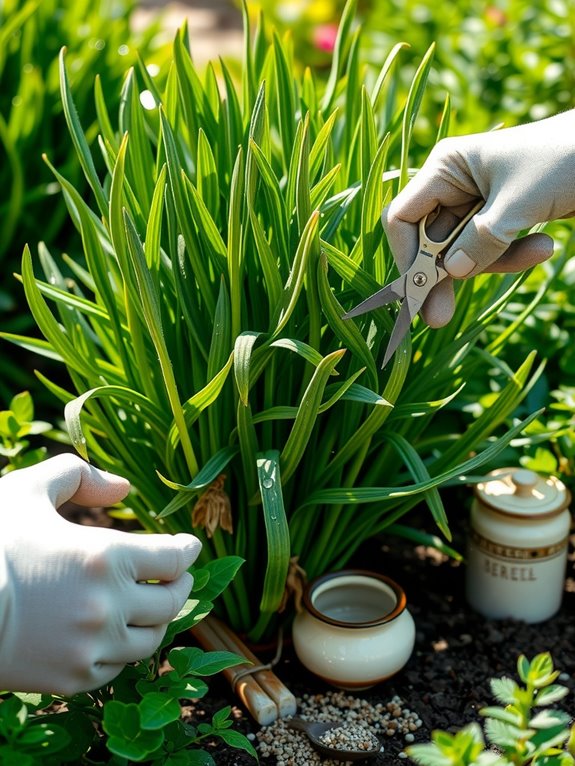
Shape your citronella plant by pinching new growth regularly throughout the season. In mid-summer, do a light pruning that removes about 20–30% of the plant’s growth. Trim back any lanky or leaning stems just above a leaf node to steady the plant’s form and maintain a dense, compact shape.
Feed your plant with balanced liquid fertilizer at half strength every 4–6 weeks during spring and summer. In fall and winter, reduce feeding to light applications only. Heavy feeding produces lots of foliage but actually decreases fragrance, which defeats your purpose with this plant.
Remove faded flowers and dead growth as you prune. This cleanup maximizes essential oil production in the remaining stems, giving you the stronger scent you want from your citronella.
Pinching Tips for Branching
What’s the secret to a full, fragrant citronella plant instead of a tall, leggy one? Pinching soft tips regularly will get you there.
When you pinch back new growth, you redirect the plant’s energy sideways rather than upward. This simple technique triggers multiple stems to emerge from each pinch point, training your citronella to grow bushier and more compact.
Here’s what pinching does for your plant:
- Encourages branching throughout
- Creates a denser, mounded form
- Supports fragrance production
How to pinch correctly
Pinch off the soft tip of each new stem using your thumb and forefinger. Remove just the top quarter inch of growth. Do this regularly as new shoots appear, especially during the growing season from spring through early summer. This ongoing practice keeps the plant from shooting upward.
Combine pinching with pruning
Trim any lanky stems just above a leaf node using clean pruning shears. Remove faded flowers at the same time. This redirection of energy encourages new, scented branches to develop from lower on the plant.
Feed lightly for best results
Light feeding supports fresh growth without reducing your plant’s aromatic qualities. Overfeeding actually weakens fragrance, so apply a balanced, slow-release fertilizer once per month during the growing season rather than feeding more frequently. Your consistent pinching and pruning efforts create the dense, fragrant specimen you want.
Light Feeding Enhances Scent
Why does citronella smell stronger when you feed it less? When you over-fertilize, the plant puts all its energy into growing leaves. This extra foliage actually weakens the scent you want. The solution is simple: use light feeding combined with regular pruning to keep the fragrance concentrated.
During the growing season, feed your plant sparingly. Give it just enough fertilizer to survive, not enough to encourage wild growth. This restraint pushes your citronella to make aromatic oils instead of wasting resources on extra stems and leaves. Pair this light feeding with consistent pruning of new soft tips and spent flowers. By removing these parts, you redirect the plant’s strength toward producing fragrant new growth rather than maintaining unnecessary stems.
The key is finding balance between light feeding and thoughtful pruning. You’re not starving your plant. You’re steering its energy toward what matters: producing a dense plant with strong scent. Feed once every three to four weeks during the growing season using a balanced, slow-release fertilizer at half strength. Pinch off the top inch of new growth every two weeks and remove faded flowers as soon as they wilt. This combination keeps your citronella focused on making the oils that give it its characteristic smell.
Seasonal Pruning and Trimming
Seasonal pruning shapes your citronella plant while keeping its fragrance strong. Timing matters as much as technique.
Pinch soft tips regularly to encourage branching and create a dense, mound-form growth habit. Mid-summer is the best time for light trimming. Use hand shears to cut back about 20–30% of the plant’s growth. This resets the plant’s form and triggers fresh, fragrant foliage.
Follow these steps for effective maintenance:
- Prune lanky or leaning stems just above leaf nodes to improve structure
- Remove faded flowers and any dead or damaged growth right away
- Collect healthy cuttings from pruning to use for propagation
Avoid heavy feeding during pruning season. Lighter nutrition actually promotes stronger fragrance in your plant. Regular maintenance keeps your citronella tidy and productive while supporting its aromatic qualities.
Keeping Your Citronella Alive Indoors Through Winter
When frost threatens your area, bring your citronella inside before the first freeze arrives. Trim the plant back to about 6 inches. This reduces transplant stress and encourages fresh growth once it settles into your home.
Place your citronella where it gets bright south or west-facing light. A sunny window works well, or use a grow light for 12 to 14 hours each day. Indoor light matters because your plant will be growing more slowly than it does outdoors.
Water only when the top 2 inches of soil feel dry to the touch, then soak the soil thoroughly. Avoid creating soggy conditions. Overwatering indoors is the most common mistake people make with houseplants during winter.
Use a well-draining potting mix that has moderate richness. Choose a container that fits snugly around the root ball. Oversized pots hold too much moisture and lead to root rot, which is difficult to fix once it starts.
Continue feeding your plant at reduced rates during winter. Remove any faded or yellowing leaves as they appear. This keeps your citronella looking decent and maintains the fragrance that makes it worth keeping around.