
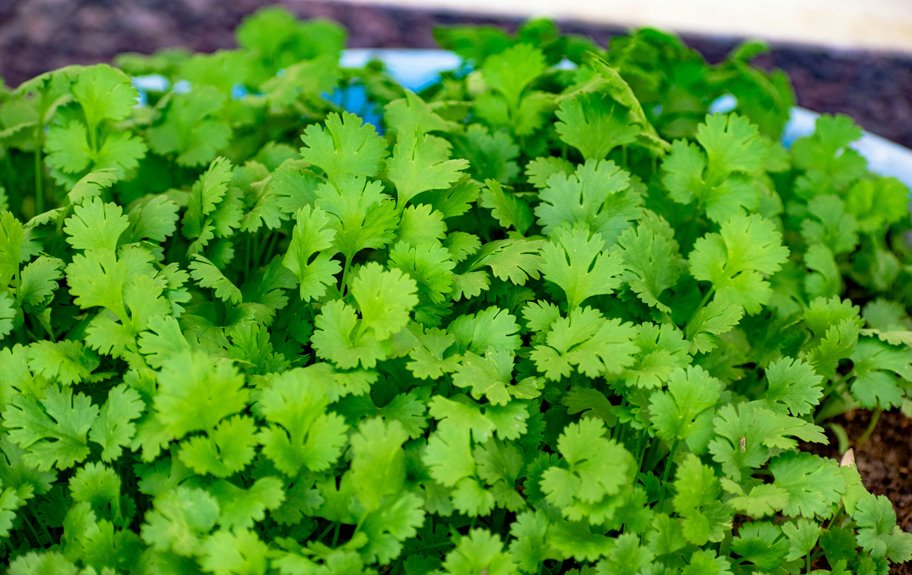
To grow cilantro successfully, position it within one foot of a south-facing window. This gives you the strong, consistent light your plant needs.
Water about one inch per week using drip irrigation. This method keeps the leaves dry, which prevents disease and fungal problems.
Pinch off flower buds as soon as you see them. Cilantro bolts quickly when it flowers, which makes the leaves taste bitter and stops new growth. Check your plant every few days during warm months.
Pinch the top leaves every two to three weeks. This encourages bushier growth with denser foliage instead of a single tall stem. Always pinch above a leaf node, which is where new branches will sprout.
Repot annually into fresh, well-draining soil when your plant doubles in size. Use a container that’s one to two inches larger than the current one. Fill it with quality potting soil mixed with perlite for better drainage. Each step builds on the others, so stick to the routine for steady harvests throughout the season.
Step 1: Position Your Cilantro in Bright, Direct Light
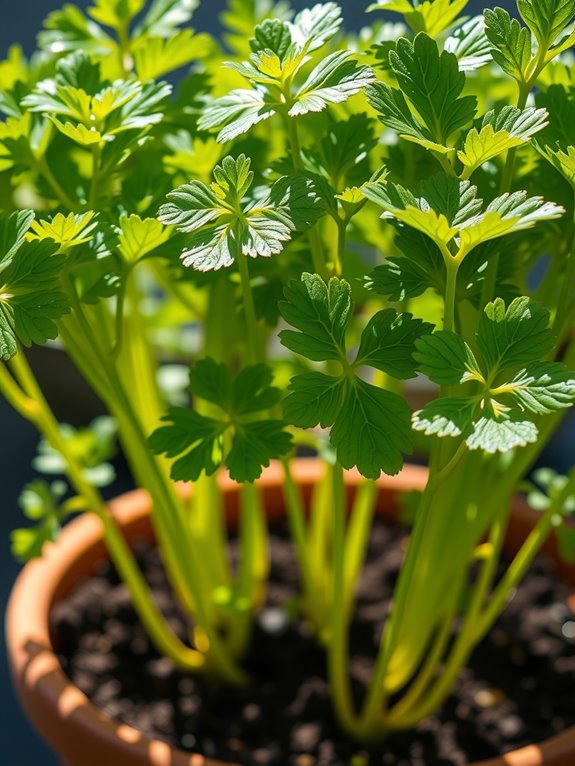
Light drives photosynthesis, which is the process that produces the leaves your cilantro needs to grow. You need to understand this connection to set up your plant correctly.
Light drives photosynthesis, the essential process that produces the healthy leaves your cilantro needs to thrive and flourish.
Position your cilantro less than one foot from a south-facing window. This distance lets your plant catch the most direct sunlight available indoors. Place it where it receives strong, consistent sun exposure throughout the day.
Check your space’s brightness on cloudy days and clear days. You may need to move your plant slightly depending on the weather and season. This adjustment takes just a few seconds but makes a real difference in plant health.
Without adequate light, cilantro leaves droop and become weak. The plant won’t produce the full, healthy leaves you want to harvest.
If you’re growing cilantro outdoors in a hot climate, give it partial shade in the afternoon. This prevents the leaves from getting stressed by extreme heat. Indoor cilantro should stay near your brightest window without any afternoon shade filtering the light.
Step 2: Water Every Two Days-Adjust for Your Climate
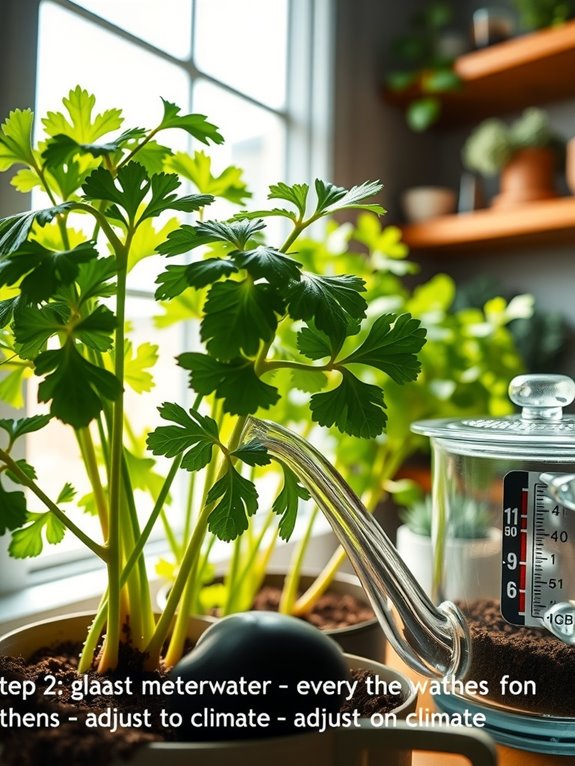
Water your cilantro about one inch per week, including rainfall. Use drip irrigation or a soaker hose to deliver water directly to the soil. This method works better than overhead watering because it keeps the leaves dry and reduces disease.
Your climate matters when deciding how often to water. In hot or dry areas, water more frequently to stop the soil from drying out completely. Cilantro that gets too dry will bolt and stop producing leaves. If you have clay soil, water less often since clay holds moisture longer than sandy soil. Use a rain gauge to measure how much water your plants actually receive, then adjust your watering schedule based on what you find.
For newly planted cilantro, keep the soil moist for 7 to 10 days while seeds germinate. Water in the morning and evening during this period. The soil should feel damp but not waterlogged. Too much water causes root rot, while too little stops seeds from sprouting. Once your cilantro is established, water regularly to help it regrow after you harvest leaves.
Step 3: Pinch Off Flowers Immediately to Prevent Bolting
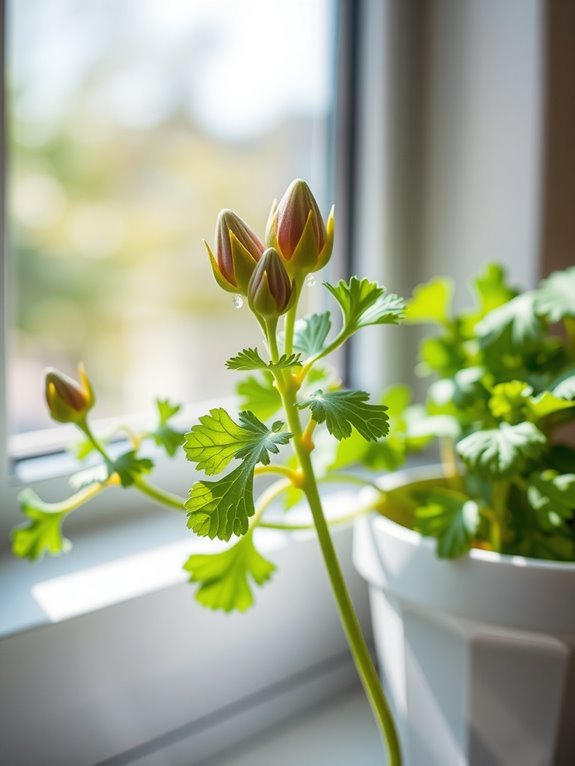
Once your cilantro starts growing, you’ll notice flower buds forming on the stems. When you spot them, pinch them off right away. This stops the plant from bolting, which means it won’t shift its energy to making seeds instead of leaves.
Use clean, sharp scissors or your fingernails to remove the flower buds just above a leaf node. This encourages the plant to grow fresh leaves in that spot instead.
Check your cilantro plant regularly—at least every few days—for new flower buds. The sooner you catch them, the better. If you let flowers develop fully, your cilantro will put all its resources into seed production, and you’ll get far fewer harvestable leaves. By staying on top of flower removal, you’ll keep getting tender leaves throughout the season.
Step 4: Pinch Top Leaves Every 2–3 Weeks to Build Bushiness
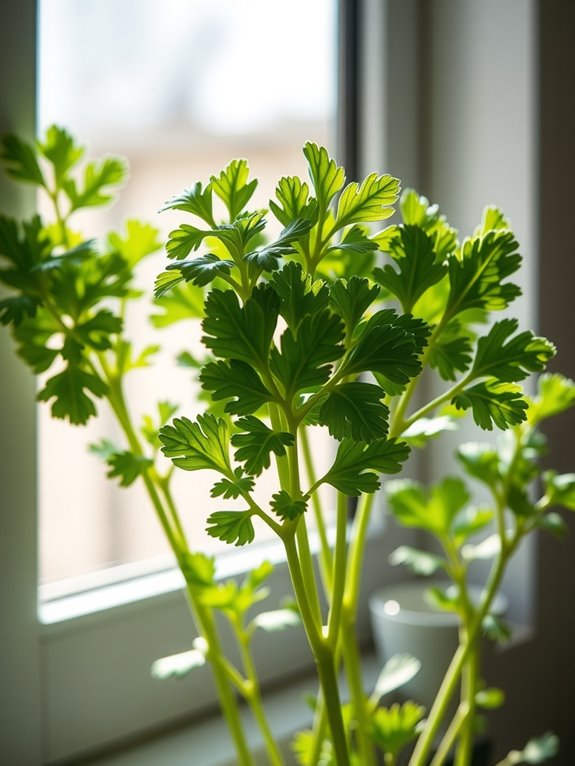
Every 2–3 weeks, pinch off the top leaves of your cilantro plant. This pruning technique directs energy toward lateral shoots instead of tall, spindly growth. The result is a fuller, bushier plant with better leaf coverage.
Use clean, sharp scissors or pinch just above a set of leaves with your fingers. This approach protects the next growth node and avoids damaging the stem. When you pinch at the right spot, the plant responds by sending out side branches rather than growing straight up.
Regular pinching does three things: it creates denser foliage, helps light reach the inner parts of the plant, and reduces sunscald on lower stems. These benefits add up when you make pinching part of your regular maintenance routine alongside harvesting. Combined with removing flower buds, this approach keeps your cilantro leafy and productive while preventing bolting.
Step 5: Repot Your Cilantro Annually for Fresh Soil and Space
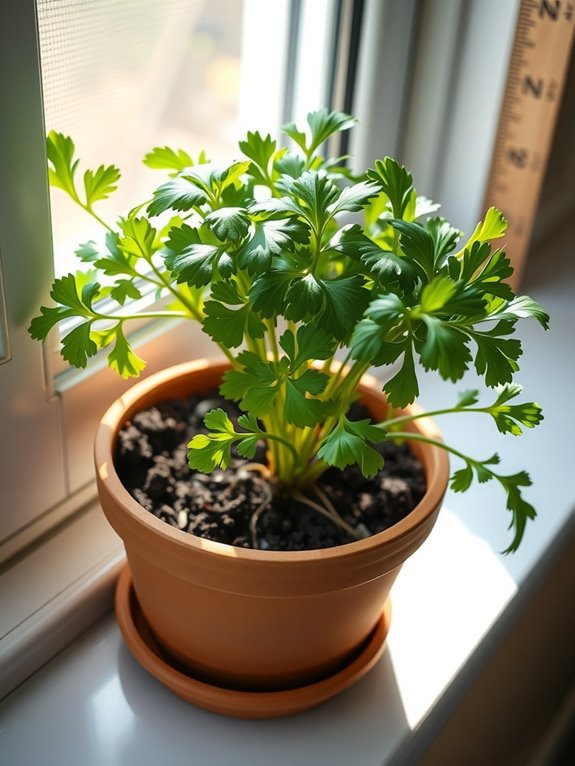
When your cilantro shows 2x growth or stops growing altogether, it’s time to move it to a larger pot. This gives the roots more space and refreshes the soil nutrients your plant has used up.
Pick a container that’s one size larger than your current pot and has drainage holes in the bottom. Fill it with a well-draining potting mix combined with organic matter. Gently remove your cilantro from its old pot and place it in the new one, then water until the soil is evenly moist.
Feed your cilantro with organic fertilizer or compost every 1–2 months during the growing season. Watch for new growth after repotting, and adjust your watering schedule based on how quickly the soil dries out. Repot annually to keep your cilantro productive and healthy.