Place your Kalanchoe in bright, indirect light. A south or west window provides the right conditions. The plant needs enough light to stay healthy, but direct afternoon sun can burn the leaves.
Water when the top inch of soil feels dry to your touch. Then let the soil dry out completely before watering again. This plant stores water in its leaves, so overwatering causes root rot faster than underwatering does.
Use a well-draining soil mix made for cacti or succulents. Your pot must have drainage holes at the bottom. These two things work together to prevent water from sitting around the roots.
Feed your plant sparingly during spring and summer only. Organic matter like worm castings works well. Stop feeding once fall arrives, and don’t feed during winter.
Keep temperatures between 60 and 85 degrees Fahrenheit. The plant tolerates a range, but avoid cold drafts and sudden temperature drops.
Watch for mealybugs and other common pests. Check the undersides of leaves regularly, where pests like to hide. Remove them by hand or spray with water if you catch them early.
Your Kalanchoe produces flowers on a blooming cycle that responds to day length and temperature. Learning to trigger blooms and how to propagate from cuttings will give you more control over your plant’s development.
What Is a Kalanchoe Plant?
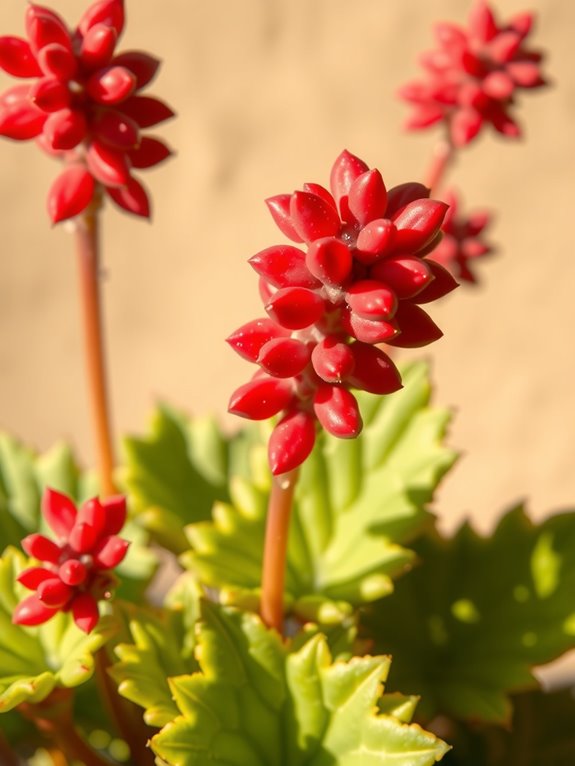
Kalanchoe plants show up in homes and offices for practical reasons. These evergreen succulents come from Madagascar and belong to the Crassulaceae family, which also includes jade plants and sedum.
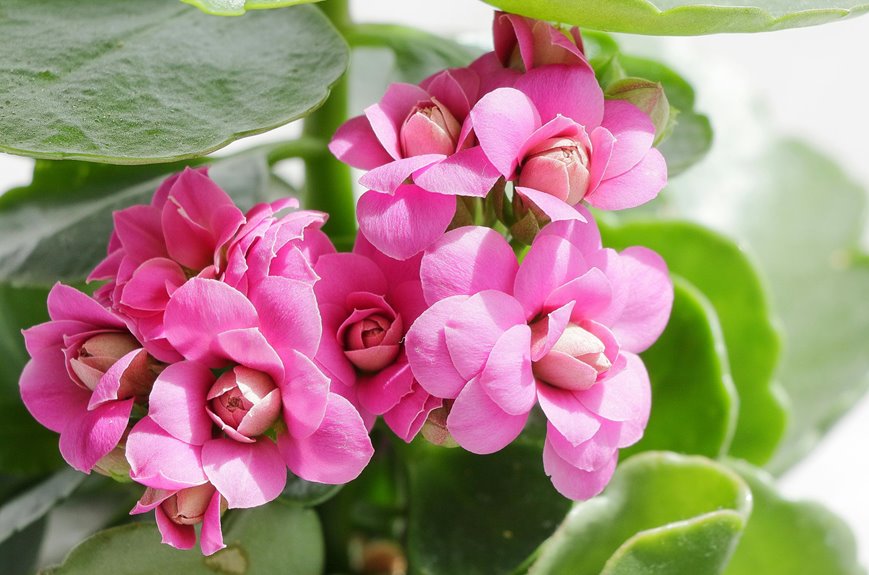
Kalanchoe blossfeldiana is the most popular species. It produces clustered flowers in red, orange, pink, yellow, and white. The thick, glossy leaves store water, so the plant handles dry indoor air and irregular watering without problems.
Most kalanchoe plants grow eight to twelve inches tall, making them suitable for desks and shelves. They require minimal care while producing colorful blooms. If you want an attractive plant without demanding maintenance routines, kalanchoe fits your needs.
Why Kalanchoe Makes an Ideal Houseplant
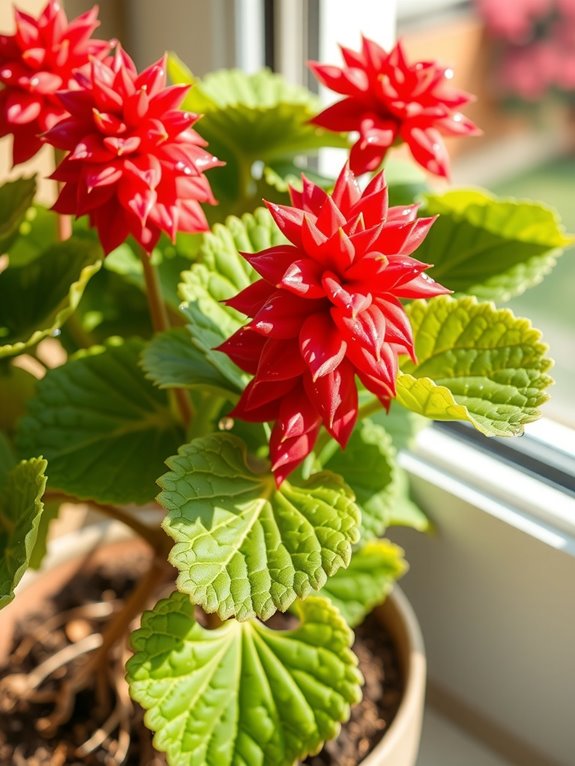
Now that you understand what a kalanchoe plant is, you might wonder why it’s such a popular choice for homes and offices. This houseplant fits well into busy lives because it requires minimal care. Kalanchoe works for both beginners and experienced plant parents who want low-maintenance greenery.
| Feature | Benefit | Why It Matters |
|---|---|---|
| Thick, water-storing leaves | Tolerates irregular watering | You won’t need to water on a strict schedule |
| Blooms for weeks | Extended visual interest | Your space stays colorful through winter |
| Adaptable to bright light | Flexible placement options | You can position it where it fits your home |
| Well-draining soil needs | Prevents root rot easily | You avoid common plant failures |
Kalanchoe rewards you because it demands little attention while delivering good results. The plant stays healthy when you water it properly and place it in bright light.
Bright Light: The Foundation of Kalanchoe Care
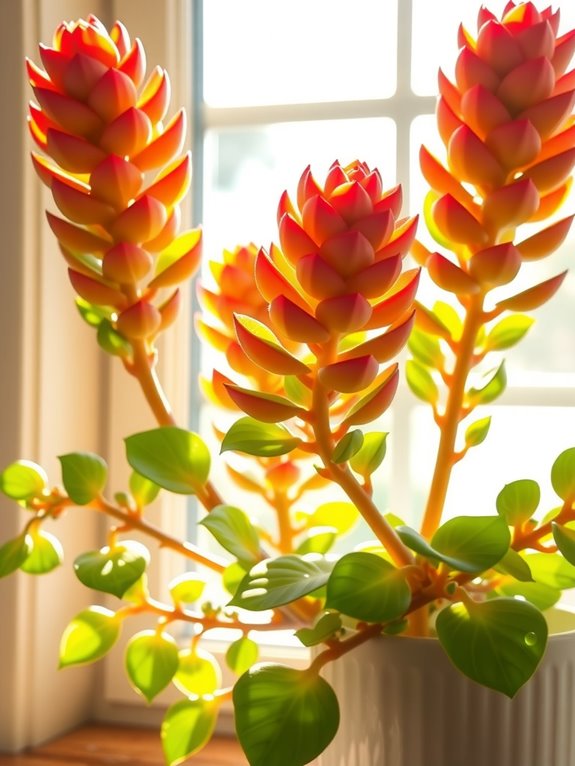
Where should you place your kalanchoe? Bright light matters most for keeping this plant healthy. Position and light conditions directly affect how well your plant grows.
Position in south or west windows. These windows get strong, steady light all day. This is the best spot for your kalanchoe indoors.
Filter intense direct sun with sheer curtains. Direct rays can scorch the leaves and damage your plant. A sheer curtain softens the light without blocking it completely.
Provide 12–14 hours of darkness during cooler months. When temperatures drop, kalanchoe plants need longer nights to form flowers. You can achieve this by moving your plant to a darker room or covering it during evening hours. This triggers reblooming naturally.
Balance bright light with some protection from harsh rays. Your kalanchoe needs both strong light and relief from intense sun. This balance keeps the plant healthy and supports continuous blooming throughout the year.
Watering Kalanchoe Without Causing Root Rot
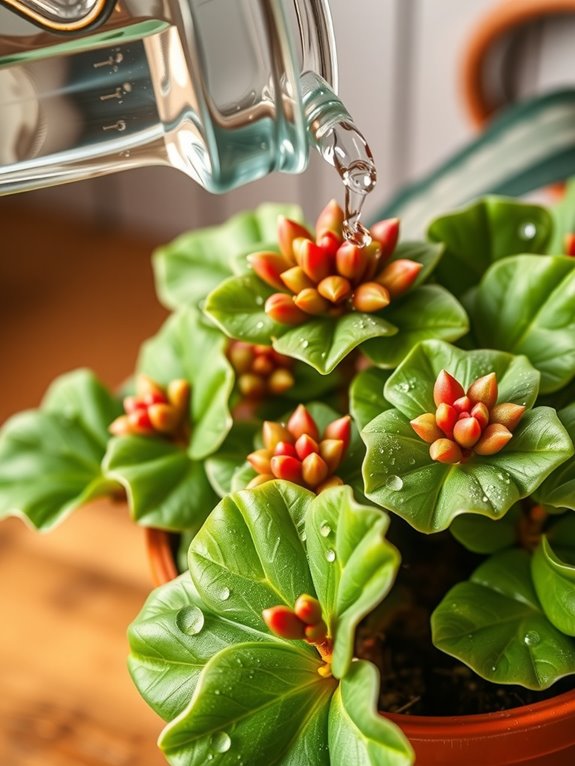
Water your Kalanchoe when the top inch of soil feels dry to the touch. Pour water until it flows out the drainage holes, then let that excess drain away completely. Don’t let water sit in the pot.
Use a fast-draining soil mix to prevent water from staying around the roots. Mix regular potting soil with perlite, or use cactus soil straight from the bag. Make sure your pot has drainage holes—this is your first line of defense against root rot.
During blooming and active growth seasons, you can keep the soil slightly more moist than usual. Even so, let it dry between waterings. The drying cycle matters more than keeping constant moisture.
The Drying Cycle Method
Kalanchoe plants store water in their leaves, which means they handle drought better than most houseplants. This trait makes the drying cycle method particularly effective for keeping them healthy.
The basic approach is simple: water thoroughly, then let the soil dry completely before watering again. This prevents root rot by removing the constant moisture that damages roots.
Here’s how to do it:
- Water deeply until water drains from the bottom holes. Saturate the soil completely so water reaches all the way through.
- Wait for dryness. Let the top inch of soil dry out noticeably. Indoors, this typically takes about a week.
- Test the soil before watering again. Stick your finger into the soil about an inch deep. If it feels moist, wait a few more days.
Use fast-draining succulent soil mixed with perlite. This combination speeds up the drying process and prevents water from sitting around the roots. After you water, empty any drainage trays right away so your kalanchoe doesn’t sit in standing water.
This cycle keeps your plant in good condition by mimicking the dry conditions kalanchoe plants experience naturally.
Drainage Solutions For Prevention
While a good watering schedule helps, your soil and pot setup do the actual work of stopping root rot. Get this part right, and you’ve solved half the problem.
Mix your potting soil carefully. Combine equal parts organic potting soil with Succulent and Cactus Mix. This blend keeps roots from sitting in water, which is what causes rot. Don’t skip this step—it matters.
Pick pots with drainage holes. This is not optional. Water needs a way out. Without drainage holes, water pools at the bottom of your pot and suffocates the roots. Check that water actually drains through to a tray below, then empty that tray so standing water doesn’t reabsorb into the soil.
Add coarse-grained mulch or perlite to the top of your soil. Spread a thin layer across the surface. These materials let air reach your plant’s roots and speed up water movement through the soil. Perlite works particularly well because it creates air pockets that water passes through quickly.
| Component | What It Does |
|---|---|
| Drainage holes | Lets excess water leave the pot |
| Coarse-grained mulch | Opens up the soil so air gets to roots |
| Perlite | Creates channels for water to drain fast |
Layer these drainage solutions together—good soil mix, drainage holes, and surface mulch or perlite. When you combine smart drainage with appropriate watering habits, your Kalanchoe stays healthy and avoids root rot.
Seasonal Watering Adjustments
How does your Kalanchoe’s water needs change throughout the year? Your watering schedule should shift with the growing seasons to prevent root rot and keep soil moisture balanced.
During non-bloom periods**, let the soil dry out completely between waterings. This means spacing out your watering sessions more than usual. Kalanchoe plants rest** during these times and need less water. Overwatering during rest periods is the quickest way to cause root rot.
When blooming occurs**, keep the soil slightly more moist** than during non-bloom periods. The plant needs more water to support flower production. Still allow the soil to dry between waterings—never leave it soggy. Think of it as finding the middle ground between the dry non-bloom schedule and constant moisture.
Check your plant regularly by looking at the leaves. Soft, mushy leaves mean you’re watering too much. Wilted leaves mean you need to water more often. Adjust your watering frequency based on what you see.
Fast-draining succulent soil and drainage holes in your pot are necessary year-round. Water that sits in the pot or collects in a saucer under the pot causes root problems. Empty any saucer after watering so water doesn’t reabsorb into the soil.
Choosing the Right Soil Mix for Drainage
What’s the single most important factor in keeping your kalanchoe healthy? Getting your soil mix right. You need a well-draining potting mix made for succulents, or you can make your own by mixing regular potting soil with perlite or coarse sand in equal parts. This combination stops water from pooling around your plant’s roots, which causes root rot—the main problem that kills kalanchoe plants.
Your soil needs to stay loose and drain quickly. Avoid heavy, water-retentive substrates. Always use pots with drainage holes at the bottom. Water only when the top inch of soil feels dry, then let the excess water drain completely out of the pot.
If you’ve struggled with watering kalanchoe before, getting the drainage right will make your care routine much simpler and more straightforward.
Keep Your Kalanchoe Warm and Dry
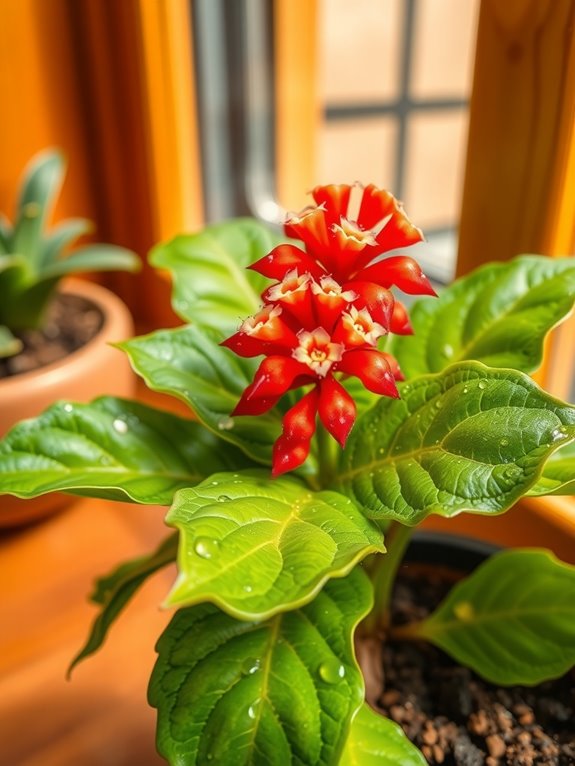
Temperature and moisture control work together to keep your kalanchoe healthy. Understanding what this succulent actually needs makes the difference between a plant that barely survives and one that produces flowers.
Temperature and moisture control are essential to kalanchoe care—the difference between a struggling plant and one that blooms beautifully.
Keep these three essentials in mind:
- Maintain temperatures between 60–85°F to support healthy growth and blooming. Avoid frost and cold drafts, which will damage your plant.
- Water only after the top inch of soil dries completely, then thoroughly soak until water drains from the pot’s bottom. Never let water sit in saucers.
- Reduce watering during cooler periods while increasing light exposure. Your kalanchoe stores water in its thick leaves, so it actually prefers dry conditions between waterings to prevent root rot.
High humidity is your enemy here. Kalanchoes are built to handle neglect better than constant moisture. Stick with a dry approach, and your plant will stay healthy.
Feed Your Kalanchoe Plant Properly
Skip synthetic fertilizers and build your feeding routine around organic matter instead. Mix worm castings into your soil and apply them as a top-dressing each spring.
Kalanchoe plants aren’t heavy feeders, so you don’t need constant fertilization. A spring top-dressing of worm castings plus one or two applications of seaweed extract during the warm months will support growth and blooming adequately.
This approach provides steady, natural nutrition without the risk of over-fertilizing. Over-fertilizing can actually damage these succulents, so restraint matters more than abundance here.
Organic Matter Application
Kalanchoe plants do better with organic matter than heavy synthetic fertilizers. Apply organic amendments every spring when the plant enters its active growing season.
Worm castings and compost work well as top dressing. Spread a half-inch to one-inch layer over your soil surface. These materials break down slowly, feeding your plant over time while improving soil structure and microbial activity. They don’t burn roots the way mineral-based fertilizers can.
Seaweed extract provides a gentle nutrient boost during warm months. Apply it once or twice between spring and early fall. Mix according to package directions and water it in at the base of the plant. This method avoids overfeeding, which causes problems in succulents.
Mix organic matter into your potting medium before planting or repotting. Combine one part compost or aged bark with two parts standard cactus or succulent soil mix. This adjustment improves drainage while adding slow-release nutrients. The balance prevents water from sitting around the roots while keeping nutrition available.
Skip mineral-based fertilizers altogether. They concentrate salts in the soil that damage root tissue over time. The organic approach builds soil health gradually and matches how Kalanchoe plants actually feed in nature. Light feeders like succulents respond better to this steady, gentle nutrition schedule than to occasional heavy applications.
Seasonal Feeding Schedule
When should you feed your Kalanchoe, and how much is too much. Practice seasonal feeding rather than year-round fertilization. Feed only during spring and summer using half-strength, balanced fertilizer. Skip feeding entirely during fall and winter when your plant enters dormancy or flowers—this prevents unnecessary stress.
Your best approach combines top-dressing with organic methods. Each spring, apply worm castings and compost around your plant’s base instead of relying on liquid feeds. Spread a 1-inch layer of worm castings mixed with compost in a circle around the plant, keeping it about 2 inches away from the stem. If you want additional nutrients, use a light, slow-release fertilizer or seaweed extract once or twice during the warm months.
This seasonal strategy respects your plant’s natural rhythms. You’ll avoid the common mistake of over-feeding, which weakens your Kalanchoe rather than strengthens it. Less is more with these resilient succulents.
Deadhead and Prune for More Blooms
How can you keep your kalanchoe flowering longer and looking fuller? Deadheading and pruning are your best tools for encouraging continuous blooms and compact growth.
Remove faded flower stalks. Once the flower stalks dry out, cut them at the base where they meet the main plant. This stops your kalanchoe from putting energy into seed production and redirects that energy to the remaining blooms instead.
Prune stems back to create a bushier shape. Cut stems back to the point where the foliage starts. This approach encourages the plant to branch out and produce more flowering sites. The result is a fuller, more compact plant.
Avoid cutting too much at once. Heavy pruning can remove buds that would have bloomed later. Stick to light, regular maintenance rather than cutting large sections all at once.
After deadheading and pruning, place your kalanchoe in bright, filtered light and resume your normal watering schedule. Regular maintenance like this extends your blooming period throughout the season and keeps your plant looking full.
How to Propagate Kalanchoe From Cuttings
You can propagate Kalanchoe using either leaf or stem cuttings. Both methods work well and give you straightforward results.
Start by taking your cuttings and placing them in well-draining cactus or succulent soil. Let them callous over first—this means letting the cut end dry and harden for a day or two before you plant them. This step prevents rot.
Once planted, keep the soil lightly moist and position your cuttings in bright, indirect light. Avoid direct sun, which can stress young cuttings. Roots will develop within a few weeks to a couple of months.
When roots have established themselves, transplant your new plants into pots with drainage holes. From that point forward, care for them the same way you would mature succulents—water when soil dries out completely, and provide bright light.
Leaf Cutting Propagation Method
One of the easiest ways to multiply your Kalanchoe collection is through leaf cuttings. This method works reliably when you follow the right steps.
Start by removing healthy leaves from your plant. Let them sit out for a day or two so the cut ends can callous over. This prevents rot when you plant them.
Place the leaf cuttings on well-draining cactus or succulent soil in a shallow tray. Keep the soil barely moist—not wet. Position your tray in bright, indirect light and avoid direct hot sun, which will damage the developing roots.
Roots typically form within weeks to a couple of months. Once roots develop, new plantlets will emerge from the leaf margins. At this point, feed your propagated plants with half-strength balanced fertilizer about once a month. Gradually increase watering as the new plants grow larger and more established.
This method builds your plant collection with minimal effort and expense.
Stem Cutting Propagation Process
While leaf cuttings work well for building your collection, stem cuttings often root faster and produce sturdier plants. Take a healthy stem cutting just below a leaf node, then remove the lower leaves. Let the cut end callus for one to two days before planting—this prevents rot.
Insert your stem cutting into well-draining cactus or succulent mix. Place it in bright, indirect light at temperatures around 65–75°F. Water after the soil dries to the touch, keeping it lightly moist without waterlogging. Rooting typically takes two to four weeks.
Once your kalanchoe cutting develops roots, resume normal watering and increase bright light exposure. You’ve now grown a mature plant from a single stem.
Rooting And Soil Care
Rooting And Soil Care
The right soil setup matters when your cuttings are ready to develop roots. You’re following the same approach that works for many Kalanchoe growers.
Start with well-draining soil. Pick a cactus or succulent mix specifically designed to prevent water from pooling around your cuttings. Standing water causes rot and kills your cuttings before they can root.
Use containers with drainage holes at the bottom. Water should flow through quickly, not sit in the pot.
Keep the soil lightly moist until roots form. Water just enough so the soil stays barely damp. Once you see roots developing, switch to a normal watering schedule where you let the topsoil dry between waterings.
Place your cuttings in warm temperatures and bright, indirect light while they root. This combination speeds up root development. After roots form, continue with regular watering practices to support healthy growth.
Encourage Reblooming Indoors
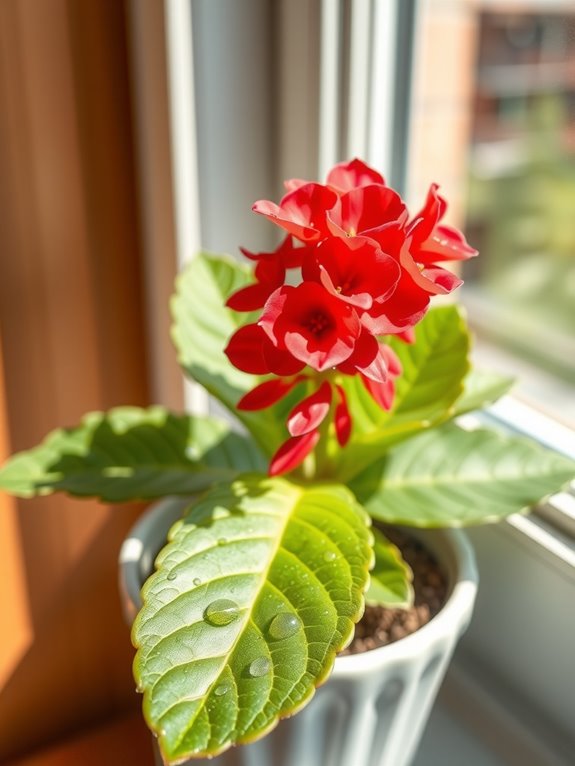
Getting your kalanchoe to bloom again indoors takes a specific approach. The plant needs a darkness period of 12 to 14 hours every day for 3 to 4 weeks to trigger bud formation. Place your plant in a dark location each evening, keeping it away from any artificial light sources during this time.
While the plant is in its darkness phase, cut back on watering. This reduced watering supports the blooming cycle. Once you see buds starting to form, go back to your normal watering routine.
When buds appear, move your kalanchoe to a spot with bright indirect light. This helps the blooms develop fully and prevents the leaves from getting scorched by too much direct sun.
After the flowers finish blooming, remove the spent blooms right away. This stops the plant from wasting energy on old flowers and directs that energy toward new growth instead. Give the plant a gentle trim at this point.
Keep your kalanchoe in a warm location and away from heating vents or drafts. Make sure your soil drains well so water doesn’t sit around the roots. Following this routine each year will keep your kalanchoe blooming regularly.
Grow Kalanchoe Outdoors
You’ll want to find the right climate zone and light conditions for your Kalanchoe, since these factors directly affect how well it grows outside. Bright light with morning sun works best. Protect the plant from harsh, all-day direct rays that can scorch the leaves.
When you’re ready to plant it in your garden, consider pairing it with other drought-tolerant plants that share similar watering and light needs. This approach makes care simpler since all the plants in your bed will have matching requirements.
Climate and Temperature Zones
Where do you live? Your location determines whether you can successfully grow Kalanchoe outdoors year-round.
Choose frost-free zones** – Live in USDA zones where temperatures reliably stay above freezing. Kalanchoe succulents need warm climates** without frost exposure to survive outdoors permanently.
Protect from cold stress**** – Keep plants away from temperatures below 50°F (10°C). Exposure to this cold slows growth and damages the foliage. Even in warm climates, place plants in protected spots away from cold drafts and sudden temperature swings that can harm them.
Consider your microclimate** – Pay attention to the specific conditions around your plants. A sheltered corner of your yard** stays warmer than an open area. A spot against a south-facing wall absorbs more heat than a north-facing location.
If you’re in cooler regions, grow Kalanchoe indoors during winter months. This approach keeps your plants healthy throughout the year without the stress of freezing temperatures.
Outdoor Light and Exposure
Once you’ve found the right climate for your Kalanchoe, positioning it in your outdoor space is equally important. Place your plant where it receives morning sun with afternoon shade. This protects the blooms from the intense heat of midday. Avoid harsh, prolonged midday sun and strong winds, as both damage foliage and dry out your plant quickly.
Bright light keeps your Kalanchoe healthy, but too much intense sun causes leaf burn. Position it strategically to get adequate outdoor light without damage. Use well-draining soil in pots with drainage holes at the bottom. This setup prevents waterlogging when rain or watering occurs in outdoor temperatures.
Water your plant when the top inch of soil dries out. Water thoroughly until it drains completely from the bottom holes. This approach mimics the succulent’s natural growing conditions in dry climates where water drains away quickly instead of sitting in soil.
Garden Planting and Companions
Prepare the Foundation
Start with well-draining soil made for cacti or succulents. Fill containers that have drainage holes—this prevents water from sitting at the bottom and causing root rot. A standard pot size of 6 to 12 inches works well for most Kalanchoe plants, depending on their mature size.
Space and Arrange Your Plants
Leave space between each plant so air can move freely around them. This reduces moisture buildup on leaves, which helps prevent disease. Spread a 1-inch layer of gravel as mulch around the base of each plant. The gravel keeps soil warm and dries out faster than organic mulch after watering.
Choose Compatible Companion Plants
Plant aloe, echeveria, agave, and sedum in the same bed as your Kalanchoe. These plants share similar needs: they prefer dry conditions, bright sunlight, and infrequent watering. Grouping them together means you water on the same schedule and give them the same light exposure. This setup reduces the work of managing different plant types while creating visual variety with different leaf shapes and colors.
Repot and Refresh Your Kalanchoe Every Two Years
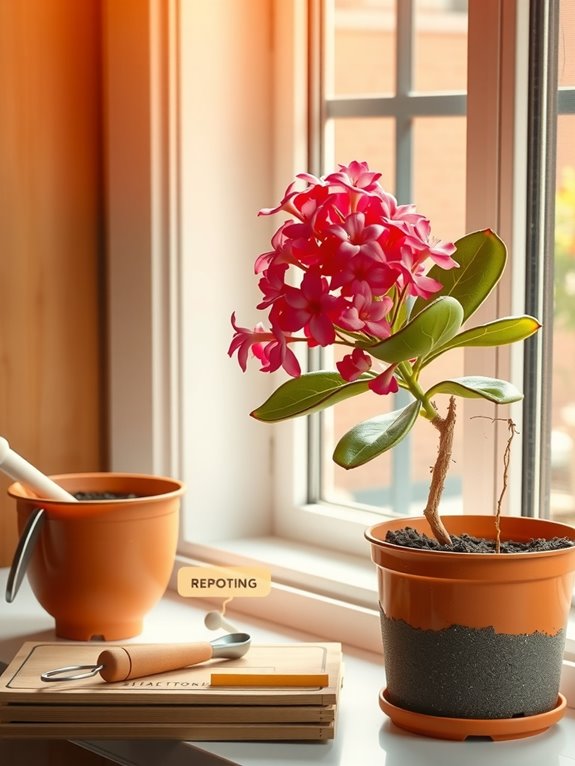
Your Kalanchoe needs fresh soil and a new container every two years. This prevents roots from becoming cramped and gives your plant the nutrients it needs to grow well.
What You’ll Need
Get a pot with drainage holes. Use a soil mix made for succulents or cacti, or mix regular potting soil with gritty material in equal parts. Have clean pruning shears ready.
Steps for Repotting
First, remove your Kalanchoe from its current pot. Gently loosen the roots with your fingers, then trim any dead or circling roots with your pruning shears. Place the new soil mix in your drainage pot, filling it about one-third of the way up.
Set your Kalanchoe in the center and add soil around it until the plant sits at the same depth it did before. Don’t pack the soil down hard. Water lightly after repotting.
After Repotting
Watch your plant over the next few weeks for wilting or yellowing leaves. These signs mean your Kalanchoe is stressed and may need adjustments. You might need to water less frequently at first since the fresh soil holds moisture differently than old soil. Return to your normal watering schedule once the plant settles in, which typically takes two to three weeks.
Diagnose and Fix Common Kalanchoe Problems
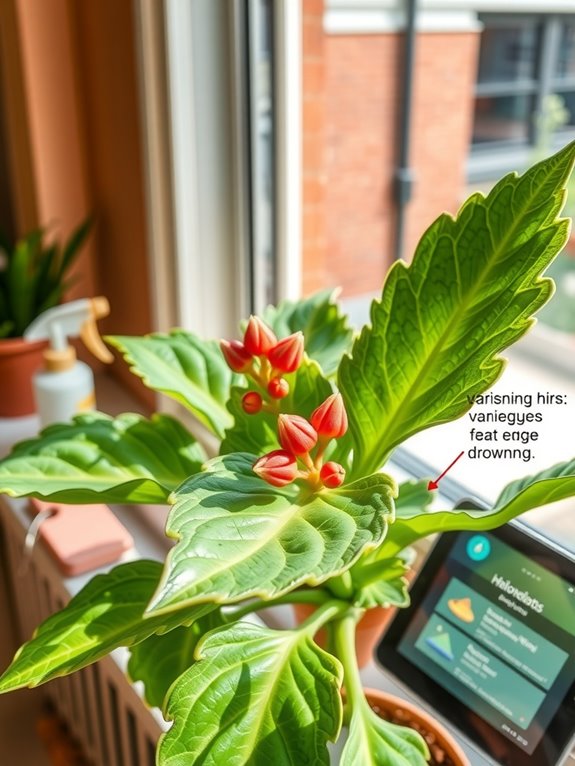
Even with proper repotting and care, your Kalanchoe can run into problems that show up in its leaves, stems, and overall appearance. Stay alert for common issues and address them quickly to keep your plant healthy.
Overwatering damage
Yellowing or mushy leaves signal that your soil isn’t draining properly. The fix is straightforward: let the soil dry out completely between waterings. Use a well-draining cactus mix and plant your Kalanchoe in a pot with drainage holes at the bottom. If water sits in the soil, the roots will rot and the leaves will break down.
Light-related stress
Your Kalanchoe needs the right amount of light to look good and produce flowers. Brown spots on the leaves mean your plant is getting too much direct sun—move it away from the brightest window. On the flip side, if your plant isn’t blooming or looks weak, it probably isn’t getting enough light. Place it in a spot with bright, indirect light. A spot near a window that gets morning sun but afternoon shade usually works well.
Pest infestations
Check your plant regularly for aphids and mealybugs. Look for sticky residue on the leaves and stems, or white cottony spots that look like small clusters of cotton. Once you spot pests, treat them right away using an insecticidal soap or neem oil spray, following the product instructions carefully. Repeat treatment every 7 to 10 days until the pests are gone.
Keep Kalanchoe Away From Cats and Dogs
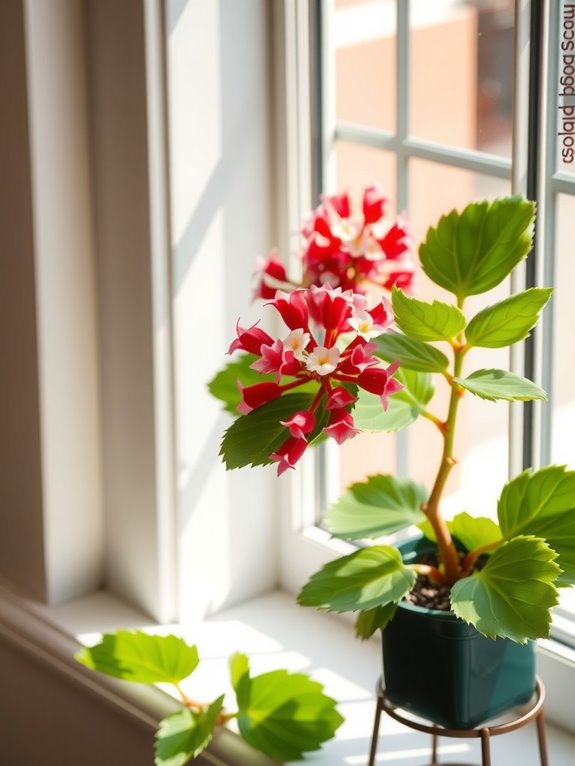
Kalanchoe plants are toxic to cats and dogs when ingested. If you own pets, you need to know this. The Crassulaceae family—particularly Kalanchoe blossfeldiana—contains compounds that can make your animals sick.
Where to Place Your Plant
Put your Kalanchoe where your pets cannot reach it. High shelves work well, or use barriers like closed cabinets or rooms your animals don’t enter. The higher and more separated from your pet’s normal area, the better. This is your first line of defense against accidental poisoning.
Keep Kalanchoe on high shelves or in closed cabinets away from pets—your best defense against accidental poisoning.
What Not to Do
Never give Kalanchoe to your pets as a home remedy or treatment for any condition. The health risks are serious and not worth the gamble.
If Your Pet Ingests Part of the Plant
Watch your pet closely for signs of illness. Symptoms can include vomiting, diarrhea, drooling, or lethargy. Contact your veterinarian immediately if you suspect your pet ate any part of the plant. Tell your vet exactly what your pet ate and when. Your vet will decide what treatment your pet needs based on how much plant material was ingested and your pet’s size and health.
Time matters in poisoning cases. The faster you get your pet medical attention, the better the outcome.
Can You Propagate Kalanchoe From a Single Leaf?
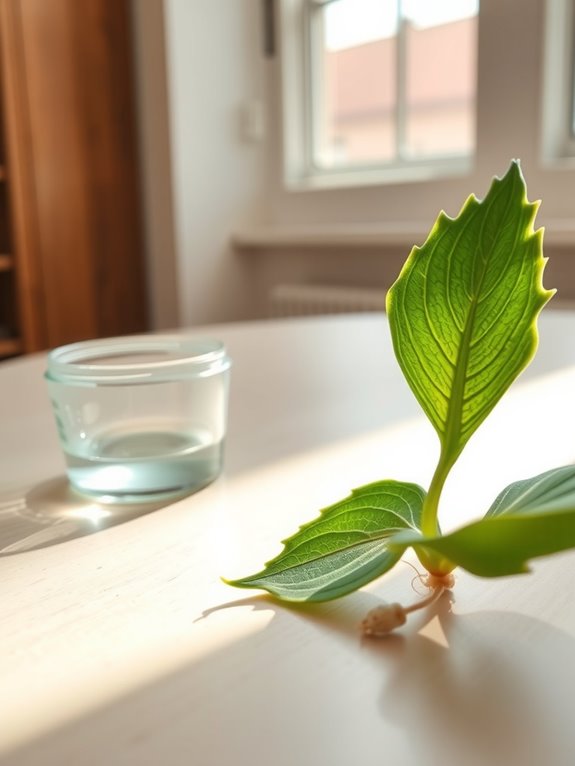
One of the best things about Kalanchoe plants is how easily they’ll grow from just a single leaf. This propagation method is straightforward and worth trying.
Let the leaf callous
Cut a healthy leaf from your plant. Wait one to two days for the cut edge to dry completely before moving to the next step. This prevents rot from developing.
Set up proper drainage****
Place your dried leaf on cactus or succulent potting mix in a shallow tray. The tray must have drainage holes. Use a potting mix made specifically for succulents, not regular garden soil. Poor drainage will kill your leaf.
Provide the right conditions
Position the tray in bright, indirect light. Keep the room temperature warm—between 65 and 75 degrees Fahrenheit works well. Water lightly so the soil stays moist but never soggy. Check the soil every few days and water only when it starts to feel dry on top.
What to expect
Roots and new growth will emerge from the leaf margin over several weeks or months. Some leaves develop roots faster than others. Species like Kalanchoe fedtschenkoi respond especially well to this method. Be patient and resist the urge to water heavily, as moisture is the most common reason propagation fails.