
Lighting Requirements
Position your shamrock in bright, indirect light. A north or east-facing window works well. Keep the plant away from direct sunlight, which will scorch and damage the leaves. If your home doesn’t have enough natural light, place the plant within 12 inches of a fluorescent grow light for 12-14 hours daily.
Watering and Soil****
Use potting soil with perlite or sand mixed in to improve drainage. Water when the top inch of soil feels dry to the touch. This usually means watering every 5-7 days during the growing season, though frequency depends on your home’s humidity and temperature. Never let the soil stay wet or waterlogged, as this causes root rot. Empty any water that collects in the pot’s saucer after 15 minutes.
Feeding Your Plant
During spring and summer, feed your shamrock every 3-4 weeks with half-strength liquid fertilizer. Use a balanced formula like 10-10-10 NPK. Mix the fertilizer at half the strength listed on the package. Skip fertilizing during fall and winter dormancy.
Managing Dormancy
Shamrocks naturally rest in fall and winter. When the leaves yellow and drop, move your plant to a cool location around 50-60°F with no direct light. Stop watering completely. This dormancy period lasts one to three months. When you notice new green shoots emerging from the soil, gradually move the plant back to bright, indirect light and resume your normal watering schedule.
What Shamrock Plants Are and How They Grow
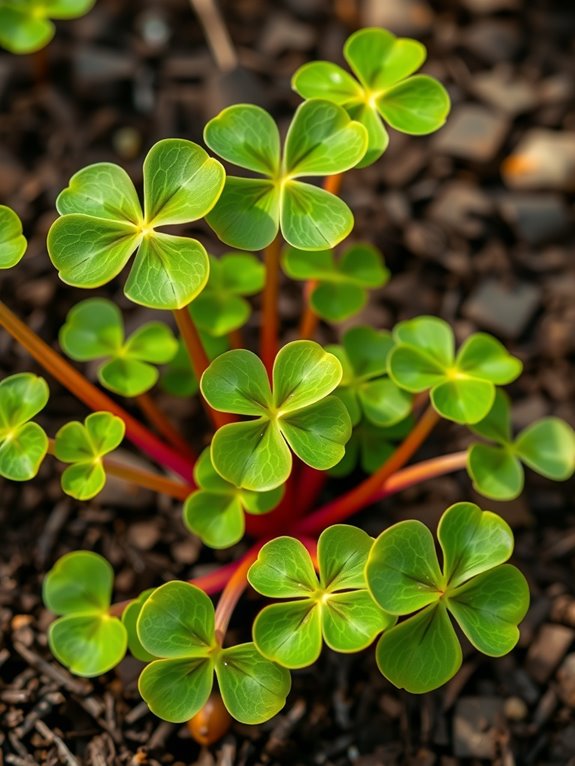
Shamrock plants are indoor Oxalis species with three-leaflet leaves that match the traditional Irish shamrock symbol. They produce delicate flowers in white, lavender, pink, or yellow.
These plants grow from bulbs or tubers with shallow root systems. Plant them in slightly moist, well-drained soil and keep them pot-bound rather than repotting frequently. Their compact growth makes them suitable for shelves and desks.
Shamrock plants naturally enter dormancy, usually triggered by warmer temperatures or shorter daylight hours. During this rest phase, they slow their growth and lose their leaves. Recognizing this cycle helps you care for them properly throughout the year.
Light: The Key to Blooming Shamrocks
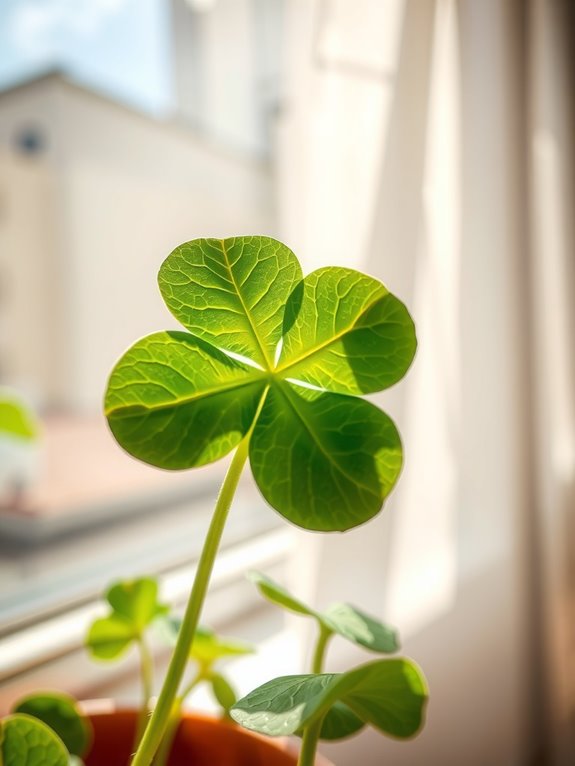
Your shamrock needs bright, indirect light to stay compact and produce winter flowers. Position it near a sunny window, but keep it away from direct afternoon sun, which will scorch the leaves and reduce blooms.
If your plant becomes tall and leggy, the light intensity isn’t strong enough. Increase both how bright the light is and how long the plant receives it each day to encourage bushier, healthier growth. Weak light won’t support the dense foliage you want.
Bright Indirect Light Requirements
Your shamrock plant stretches toward the window because it needs bright, indirect light. This is how the plant tells you it’s not getting enough light where it currently sits.
Position your shamrock in an east-facing window or in a spot with bright, filtered light. This setup produces compact growth and healthy foliage. Avoid harsh midday sun, which burns leaf tissue. Morning sun in small amounts works fine.
| Light Condition | Result | What to Do |
|---|---|---|
| Bright indirect light | Compact growth, blooming | Keep it here |
| Too much direct sun | Scorched leaves | Filter sunlight or move the plant |
| Insufficient light | Leggy, stretched stems | Move closer to a window |
The key is finding a spot with consistent brightness without intense afternoon rays. This balance keeps your plant compact and supports blooming throughout the growing season. Check your plant weekly. If new growth looks thin or the stems stretch, move it closer to your light source. If leaves look bleached or papery, the light is too strong.
Direct Sun and Leaf Scorching
While bright light helps your shamrock bloom beautifully, direct sun—especially the intense afternoon rays—can damage the delicate leaves. You’ll notice scorching appears as brown, papery patches on the foliage, signaling overexposure.
Position your plant where it receives bright, indirect light instead. Morning sun is gentler and beneficial. Afternoon sun is the problem you need to avoid because its intensity is too strong for shamrock leaves.
If your shamrock sits near a south-facing window, filter the light with a sheer curtain. This approach protects the leaves while maintaining the brightness necessary for blooming. You can also move the plant back a few feet from the window or place it on a side table rather than directly on the windowsill.
Monitor your plant closely during spring and summer when sunlight strengthens. Check the leaves every week or two for any brown patches starting to form. If you spot early signs of scorching, adjust the plant’s location immediately—either move it farther from the window or add a curtain layer. Adjusting placement prevents damage and keeps your shamrock healthy and flowering throughout the season.
Light’s Impact on Flowering
Light matters for getting your shamrock to bloom. The amount and type of light you provide directly affects whether your plant flowers or stays leafless and weak.
Different light conditions produce different results:
| Light Condition | Plant Response |
|---|---|
| Bright indirect light | Compact growth, abundant blooms |
| Low light | Leggy growth, reduced flowering |
| Too much direct sun | Scorched leaves, fewer flowers |
| Winter bright window | Promotes active blooming |
When light is insufficient, your shamrock stretches out looking for it. The stems grow long and thin, the plant looks weak, and flowering stops. Bright indirect light does the opposite. Your plant stays compact, puts out more leaves, and produces flowers regularly.
Direct sun causes problems too. The leaves get scorched and turn brown or pale. The plant redirects its energy away from blooming to protecting itself from the heat.
Position your shamrock in a spot that gets bright indirect light throughout the day. During winter months, move it to a bright sunny window. This seasonal adjustment works because shamrocks naturally flower more during shorter days when they’re also getting strong light. By matching these conditions, you give your plant what it needs to bloom on schedule.
Soil That Drains Well: The Foundation of Shamrock Health
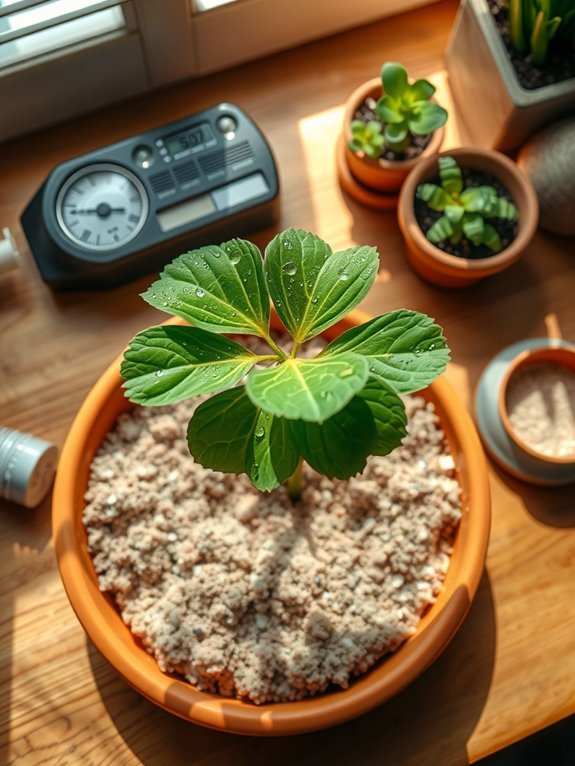
Getting the soil right matters for keeping your shamrock plant healthy. Use a well-draining potting mix made from general houseplant soil or a blend of peat, perlite, and potting soil. This setup protects against root rot, which kills plants quickly.
Your pot must have drainage holes at the bottom. This lets excess water escape so roots don’t sit in moisture. Keep the soil evenly moist between waterings, but never waterlogged. Let the top inch of soil dry slightly before you water again.
During dormancy periods, stop watering while your shamrock rests. When new growth starts to appear, go back to your normal watering schedule. Getting drainage right is what keeps your shamrock alive and functioning well.
Watering Without Overwatering
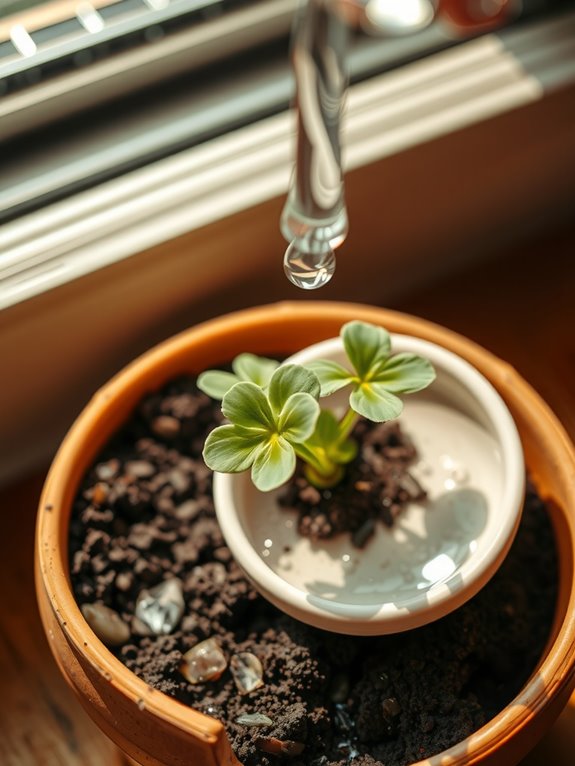
Proper watering comes down to finding the balance between keeping your shamrock moist and letting it dry out between waterings. Check the top inch of soil with your finger—when it feels dry, you’re ready to water. This approach keeps your plant healthy without the problems that overwatering causes.
Too much water damages shamrock plants. Soggy soil leads to root rot and yellowing leaves. Bottom-watering is your best strategy. Fill a container with water and place your pot in it for 10 to 15 minutes. This lets roots absorb what they need while preventing waterlogged soil.
During dormancy periods, stop watering until new growth appears. Your shamrock can handle slightly dry soil between waterings and will recover when you resume normal care.
When and How to Feed Your Shamrock
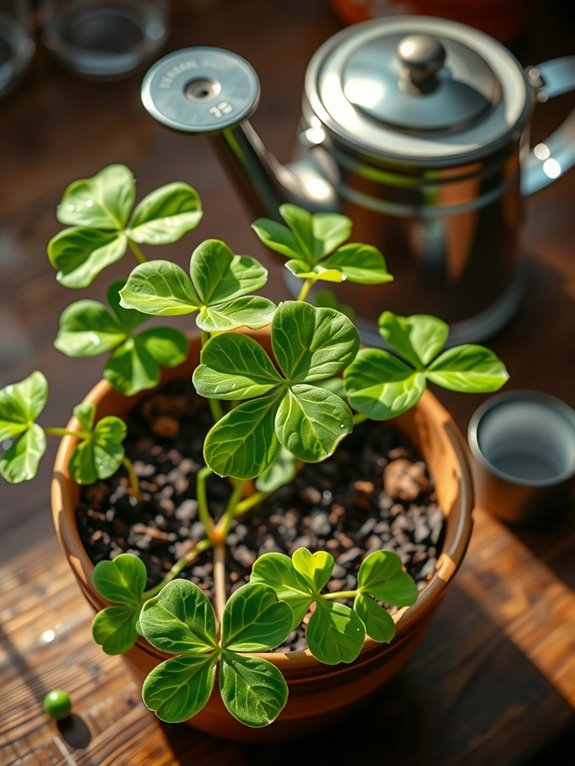
When should you fertilize your shamrock, and why does timing matter so much? Feeding your plant at the right moments keeps it healthy. You’ll want to fertilize during active growth in spring and summer, applying a balanced liquid fertilizer every few weeks.
What to do:
- Use half-strength fertilizer to prevent leaf burn and support healthy foliage
- Apply fertilizer every few weeks during active growth periods
- Skip fertilizing when soil is dry or the plant shows stress
- Resume light fertilization after flowering to encourage new growth
Why timing matters:
Shamrocks need nutrients when they’re actively growing. During dormancy or rest months, hold off on fertilization entirely. This prevents nutrient buildup and supports your plant’s natural cycle, keeping it vigorous and ready to produce blooms.
Understanding Shamrock Dormancy and Rest Cycles
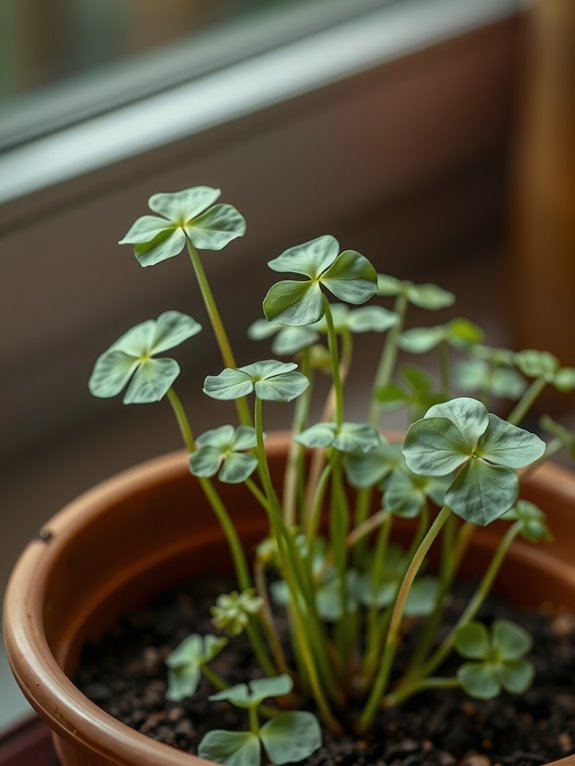
Your shamrock will naturally enter dormancy during hot months or when seasons change. You’ll know this is starting when the plant’s leaves begin to fade or look less healthy.
When dormancy begins, stop watering and fertilizing the plant completely. Move it to a cool, dark location—ideally between 50-60°F if possible. Let the foliage die back on its own, or cut it back to the soil line to speed up the process.
Dormancy typically lasts a few weeks to a couple of months. During this time, the plant needs very little attention. Just leave it alone in its cool, dark spot.
Once you see new growth starting to emerge, dormancy has ended. Move your shamrock back to a sunny window where it gets bright, indirect light. Resume regular watering when the top inch of soil feels dry, and start fertilizing again with a balanced, water-soluble fertilizer applied every two to three weeks.
The fresh new growth signals that your plant is coming out of rest. At this point, return to your normal care routine and watch the plant fill in over the next few weeks.
Triggering Dormancy Periods
Have you noticed your shamrock plant looking tired or dropping leaves as summer winds down. This is natural dormancy, and you can control when it happens.
Your shamrock enters dormancy based on environmental signals:
- High late-summer temperatures trigger the dormancy response
- Shorter daylight hours combined with cooler nights start the rest cycle
- Reduced light exposure signals the plant to slow down
- Cool temperatures keep dormancy active once it begins
Most dormancy periods last one to three months. This is a temporary slowdown, not a permanent problem. Some shamrocks skip dormancy entirely, while others do better with this enforced rest period. Recognizing these triggers lets you manage your plant’s cycle with confidence and support its natural rhythms for stronger blooming in the future.
Managing Rest Phase Care
Once you’ve spotted the dormancy signals, create the right conditions for your plant’s rest period. Move your shamrock to a dark, cool location and let the soil dry out. Stop all watering and fertilizing during this time, which usually lasts one to three months. Your plant needs this break to rebuild its bulbs and store energy for the next growth cycle.
When dormancy ends, bring your shamrock back gradually. Start with light watering and move it to a spot with bright, indirect light. This signals the plant that it’s time to wake up and grow again.
Not every shamrock needs an extended rest period. Some rebloom on their own without dormancy. However, if your plant is growing tall and spindly or isn’t producing flowers, a deliberate rest phase will usually bring back blooms and stronger growth.
Reviving Plants After Dormancy
When your shamrock emerges from its rest period, it needs a careful transition back to active growth. Rushing this step can shock the plant and delay blooming. Think of dormancy as a reset button—your plant has been resting, and now you need to gradually wake it up.
Move it to bright indirect light gradually over several days. This slow shift prevents leaf burn and allows the plant to adjust. Resume light watering when you see new growth appearing at the base or on the stems. Start fertilizing every two weeks with diluted plant food mixed to half strength.
Keep room temperatures warm but not hot. Aim for 65 to 75 degrees Fahrenheit during the day. If your plant looks dead or extremely tall and leggy, don’t panic. Provide consistent bright light and raise the room temperature slightly to encourage fresh growth. The combination of proper light and appropriate warmth usually brings back weak plants within a few weeks. Your shamrock will reward consistent care with blooms once it fully recovers.
Recognizing When Your Plant Enters Dormancy
Why does your shamrock plant suddenly look like it’s dying? Don’t panic. Your plant is entering dormancy, a natural rest period triggered by higher temperatures or summer conditions. This dormancy phase typically lasts one to three months.
Your shamrock plant entering dormancy is normal—a natural rest period lasting one to three months triggered by heat and summer conditions.
Recognizing the Signs****
Watch for these specific indicators: your shamrock’s leaves yellow and drop, growth slows dramatically, and the plant appears wilted even though the soil has adequate moisture. This is completely normal behavior for shamrocks and happens to most growers at some point.
What to Do During Dormancy
Stop watering and fertilizing immediately once dormancy begins. Move your plant to a cool, dark location—a closet, basement, or shaded corner works well. Keep the soil relatively dry throughout this period. Don’t discard the plant. The dormancy will end on its own.
Waiting for Recovery
New foliage emerging from the soil signals that dormancy has ended and recovery is underway. At that point, you can return the plant to normal light and resume your regular watering schedule.
Pruning and Deadheading Spent Flowers
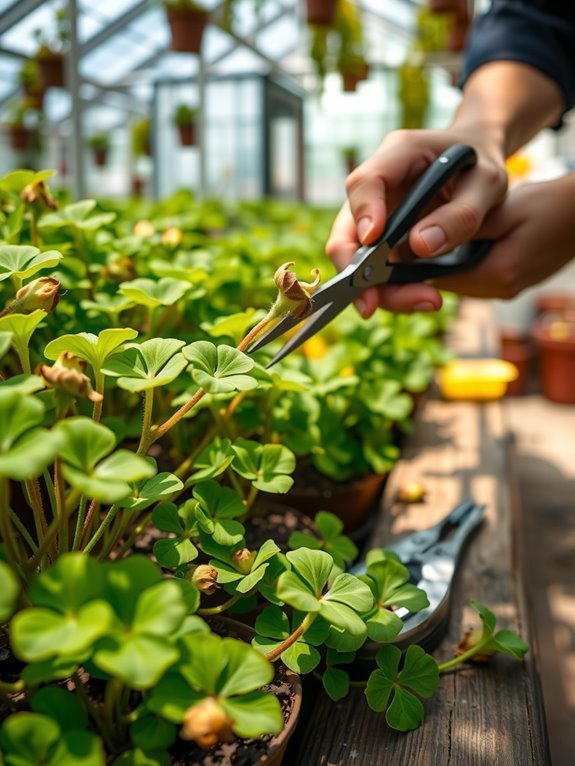
You can snip off spent flowers to keep your Shamrock looking neat, though this step is optional. The plant will bloom again without deadheading.
Remove any dead or yellowing leaves as soon as you notice them. This cleanup prevents the leaves from attracting pests or fungal issues and keeps the plant looking orderly.
Shamrocks don’t require regular pruning. Your main job is light maintenance—removing only what’s dead or dying. A pair of clean scissors or pruning shears works well for cutting stems and leaves near the base.
Removing Spent Blooms
Once your shamrock’s flowers fade and lose their color, remove them. Deadheading isn’t required for rebloom, but it does encourage new growth and keeps your plant looking neat.
What You’ll Need
Use clean, sharp pruning scissors. Dirty tools can spread disease to your plant, so wipe the blades with a cloth or rubbing alcohol before you start.
How to Remove Spent Blooms****
Snip faded flowers at the base where they meet the stem. Cut at a slight angle to avoid leaving a stub. Remove flowers regularly—check your plant every few days and trim as needed. This prevents old blooms from sitting on the plant and wasting its energy.
Aftercare
Once you’ve finished deadheading, place your shamrock in a spot with indirect light. Avoid putting it in direct sun or near heat sources right after pruning. The plant needs time to recover and direct stress will slow down new growth.
Regular deadheading keeps your shamrock looking tidy while supporting the next round of blooms. The work takes just a few minutes but makes a real difference in how often your plant flowers.
Maintenance Pruning Techniques
Deadheading spent flowers keeps shamrocks looking neat, but you can do more to maintain plant health. Remove any dead or yellowing leaves as soon as you notice them. This prevents mold and rot from taking hold.
After your shamrock stops blooming, trim back the stems lightly. This redirects the plant’s energy toward new leaf growth and sets up the possibility of rebloom.
If your shamrock develops long, sparse stems and looks leggy, prune those branches back harder. Cut them to encourage a fuller, more compact shape with better access to light throughout the plant.
During the dormant period, let the leaves die back on their own. Wait to prune until you see new growth appearing before doing any cutting.
Repotting and Refreshing Your Shamrock
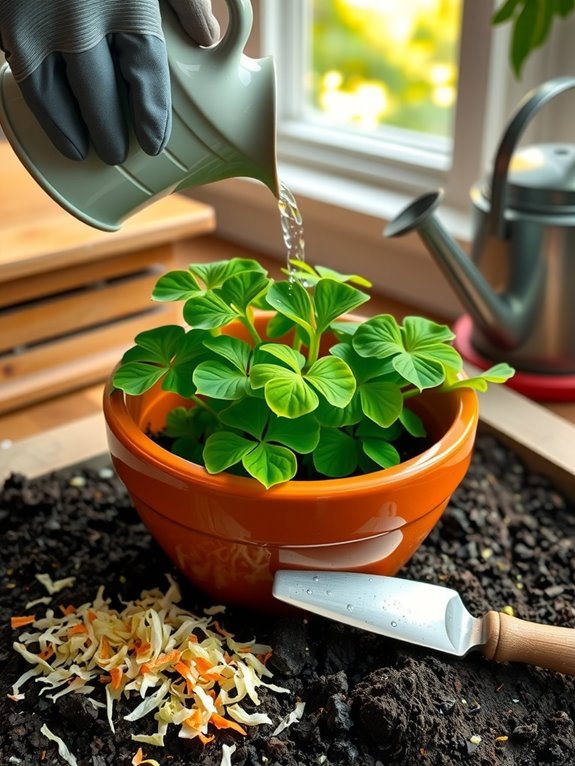
When your shamrock’s roots press against the pot’s sides or the soil dries out too quickly, it’s time to repot. This gives your plant more space and fresh nutrients to grow.
What to do:
Gently loosen the roots and trim away any rotted or dead portions. Select a pot only one size larger than the current one—make sure it has drainage holes. Fill it with a mix of peat moss, perlite, and potting soil to support drainage.
Water the plant thoroughly after repotting. Then let the top inch of soil dry out between waterings.
After repotting:
Place your shamrock in bright, indirect light. Keep night temperatures between 50°F and 65°F. These conditions help the plant recover quickly and set it up to bloom again.
Growing New Shamrocks From Bulbs
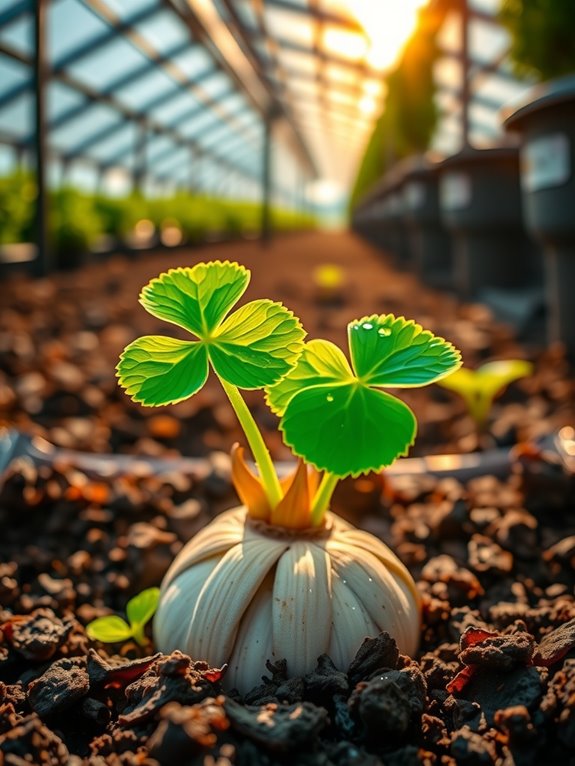
Want to multiply your shamrock collection or refresh an aging plant. Dividing bulbs during repotting is the way to do it. When you repot, carefully separate the bulbs and plant each one individually in its own pot filled with well-draining soil. This straightforward process expands your shamrock family without spending money on new plants.
Each bulb you plant becomes a separate shamrock. Give your new plants bright, filtered light and keep the soil slightly moist. Use bottom watering to prevent crown rot, which protects your investment.
After planting, trigger dormancy by keeping conditions cool, dark, and dry for one to three months. Then resume normal care with bright light and regular watering to encourage regrowth and blooming. The wait produces multiple reblooming shamrocks.
Why Leaves Droop or Brown (and How to Fix It)
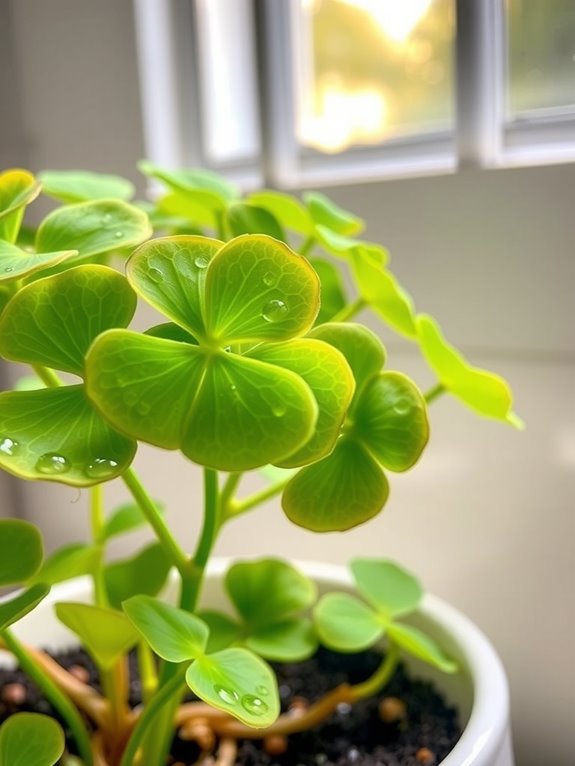
Your shamrock’s drooping or browning leaves signal that something in its care routine needs adjustment. You’re likely dealing with watering issues, light problems, or environmental stress. Identify the cause, then make the fix.
Overwatering
Yellowing leaves and root rot come from too much water. Allow the soil to dry between waterings. Water only when the top inch of soil feels dry to the touch.
Underwatering
Drooping and brown foliage mean your plant needs water. Check the soil moisture regularly and water when the top inch becomes dry.
Direct Sunlight
Bright, direct sun burns shamrock leaves. Move your plant to a spot with bright, indirect light instead. A north or east-facing window works well.
Recent Stress
Moving your plant or exposing it to temperature swings causes temporary decline. Keep conditions consistent and give your shamrock time to adjust. This recovery period may take several weeks.
What to Do Now
Move your plant to a cooler location with better light conditions. Stop fertilizing while the foliage stabilizes—shamrocks don’t need nutrients during their dormant periods. Once you adjust the watering schedule and light, your plant will recover gradually.
Why Does Your Shamrock Plant Close Its Leaves at Night?

Once you’ve stabilized your shamrock’s watering and light conditions, you’ll notice the leaves fold up at night and unfold again in the morning. This leaf folding is a normal behavior called nyctinasty.
Your shamrock responds to light cycles by closing its leaves as daylight fades and reopening them when morning light returns. The plant does this to conserve energy during darkness. Temperature and humidity shifts can also trigger the folding, but light remains the primary driver of this movement.
You don’t need to do anything about this behavior. The nightly leaf movement is a sign of healthy growth and indicates nothing is wrong with your plant. To keep this pattern working properly, maintain consistent bright, indirect light and stable day-night patterns. Your shamrock will continue its predictable opening and closing schedule on its own.