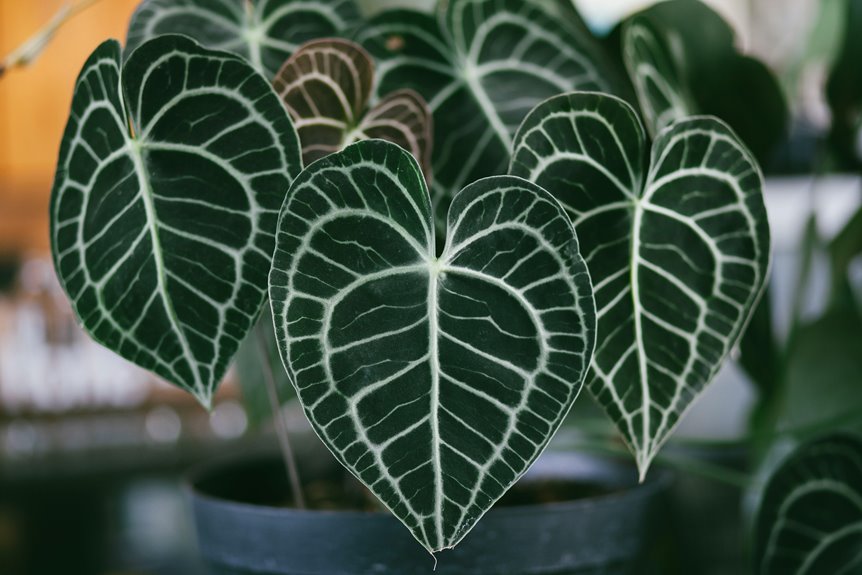
Calathea plants do well when you copy their rainforest environment. Put yours in bright, indirect light—keep it away from direct sun. These plants need humidity between 60–90%, so bathrooms are a smart choice if you have one available.
Water with filtered or rainwater every 8 days. Before watering, stick your finger into the soil and check that the top inch feels dry. This prevents overwatering, which damages roots.
Keep temperatures steady between 61–75°F. Avoid placing your plant near cold drafts or heating vents. During spring and summer, feed your plant once a month with a balanced fertilizer mixed at half strength.
Rotate the plant weekly so all sides get equal light. This encourages even, balanced growth rather than the plant leaning toward the light source.
Brown spots on leaves mean minerals are building up in the water or soil. Switch to distilled water or collect rainwater to reduce this problem. If spots appear, you may also need to flush the soil by running water through it slowly until it drains from the bottom.
Pay attention to what your plant’s leaves tell you. Yellowing leaves often signal overwatering. Crispy leaf edges usually mean the air is too dry or you’re using tap water with too many minerals. Adjust your care based on these signals, and your plant will respond.
Calathea Basics: A Rainforest Native for Your Home
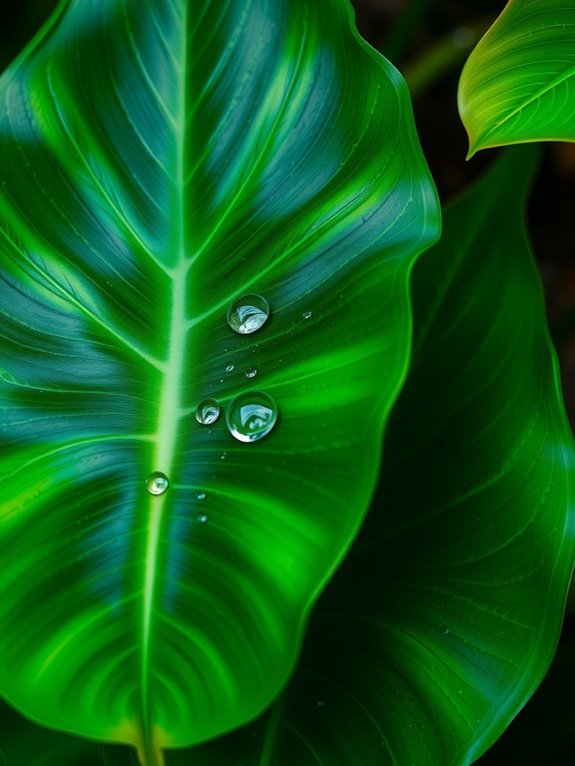
Calathea leaves fold up at night—a behavior called nyctinasty. This movement is a natural adaptation from their rainforest home in the Marantaceae family. The folding helps these plants conserve moisture during nighttime hours. To keep your Calathea healthy, you’ll need to recreate the conditions it experiences in its native environment.
Calathea leaves fold up at night to conserve moisture—a natural rainforest adaptation you can support by recreating its native environment indoors.
Position your plant in indirect light. Direct sunlight will scorch and fade the leaf patterns that make Calatheas attractive. If your plant sits in a bright window, move it back a few feet or use a sheer curtain to filter the light.
High humidity is essential for this rainforest plant. Bathrooms work well because steam from showers naturally raises humidity levels. If you don’t have a bathroom with adequate light, mist your plant every few days or place it on a humidity tray—a shallow tray filled with pebbles and water. Set the pot on the pebbles so the bottom doesn’t touch the water directly.
Keep the soil evenly moist but not waterlogged. Check the top inch of soil with your finger. If it feels dry, water the plant. If it still feels damp, wait another day before watering.
Use filtered water or collected rainwater instead of tap water. Tap water contains minerals that accumulate in the soil and on leaves, causing brown tips and edges over time. If you don’t have access to filtered water, let tap water sit in an open container for 24 hours before using it—some minerals will settle at the bottom.
These plants aren’t difficult to care for once you understand their basic needs. Focus on providing indirect light, consistent moisture, and good water quality, and your Calathea will do well in your home.
Light and Placement: Setting Up Your Calathea’s Ideal Spot
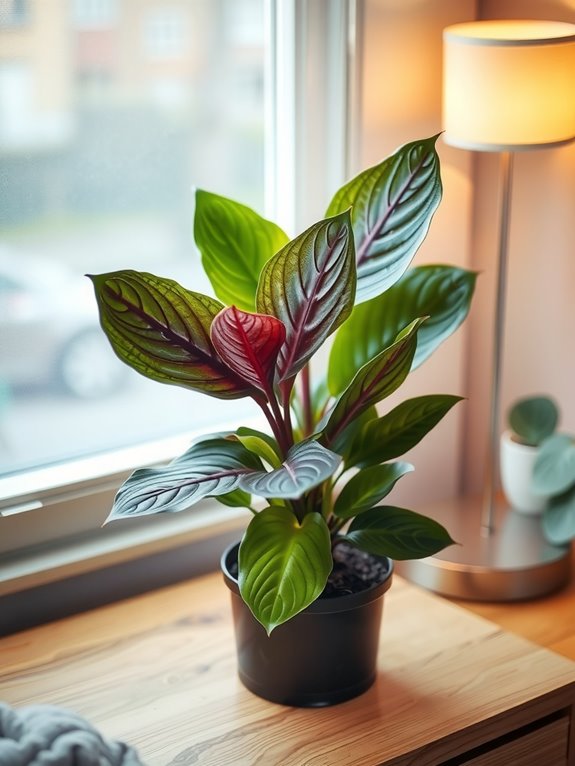
Position your Calathea a few feet away from east or north-facing windows. This placement gives you the medium to bright indirect light your plant needs without scorching the leaves. Direct sun will damage the foliage, so if your plant sits near south-facing windows, you’ll need to add shade with a sheer curtain or move it back further into the room.
Your Calathea’s leaves naturally turn toward light during the day. Rotate the plant once a week to encourage even growth on all sides. This prevents the plant from leaning heavily in one direction and helps every part get adequate light exposure.
Variegated varieties—the ones with patterns or lighter-colored sections—need slightly more light than solid-colored types. These plants have less chlorophyll in their patterned areas, so they work harder to capture the light they need for photosynthesis.
Think of recreating the conditions under a rainforest canopy. That means dappled, filtered light rather than harsh direct rays. Your plant responds to natural light cycles throughout the day and night. The leaves fold up at night and open again during daylight hours. Positioning your Calathea where it receives consistent natural light cycles supports these daily movements and keeps the plant in sync with its natural rhythms.
Watering and Soil: Keeping Moisture Balanced Without Overwatering
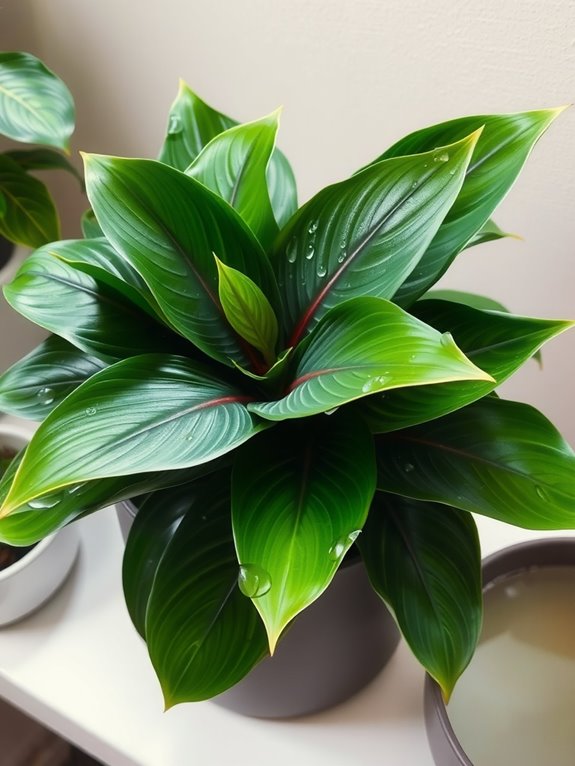
You’ll need to master three key aspects of Calathea watering: soil moisture and drainage, your watering schedule, and the quality of water you’re using. Getting these right prevents the root rot that kills most Calatheas while keeping your plant hydrated enough to grow well. Let’s break down each element so you can keep your Calathea’s soil perfectly balanced.
Soil Moisture And Drainage
Calatheas need consistent moisture, but finding the right balance takes attention. Check the top 2 inches of soil regularly—when it feels dry, water thoroughly until moisture reaches the root zone. This method prevents both underwatering and root rot.
Drainage is equally important. Always use a pot with drainage holes at the bottom. After watering, empty any standing water from the tray immediately. Standing water creates the conditions for root problems. Your potting mix should hold some moisture but never stay soggy. The goal is consistency: keep the soil evenly moist without extremes in either direction.
Watering Schedule And Frequency
Check your soil every few days by feeling the top 2 inches. When that layer feels dry, water your Calathea. During the growing season, aim for a watering schedule of roughly every 8 days, though you may need to adjust based on your home’s humidity and temperature.
Use filtered water or rainwater instead of tap water. Tap water contains minerals that cause leaf spotting on Calathea leaves. Keep the soil evenly moist but never soggy, since poor drainage leads to root rot.
In winter, reduce your watering frequency as plant growth slows during colder months. You can use either bottom or top watering methods, but make sure your pot has drainage holes. Watch for signs of overwatering like soft roots or yellowing leaves, and adjust your schedule accordingly.
Water Quality And Filtration
While getting your watering schedule right matters, what you’re watering with matters just as much. Your Calathea’s leaf health depends directly on water quality. Tap water often contains substances that damage those leaves, so you need to know your options.
Tap water problems – Fluoride and minerals in tap water create brown edges and spots on Calathea leaves. If you see these signs, your water quality is the likely cause.
Filtered water – Use a basic water filter pitcher or faucet-mounted filter to remove harmful chemicals. This protects your plant’s foliage and prevents mineral buildup over time.
Dechlorinated water – If you don’t have a filter, leave tap water in an open container for 24 hours. This lets chlorine dissipate before you water. This method works well if you plan ahead.
Rainwater – Collect Rainwater in a clean bucket or barrel. This is the purest option and costs nothing once you have a collection system set up.
Water filtration isn’t complicated. You’re investing in leaf integrity and color when you choose filtered or dechlorinated water. This simple switch prevents mineral damage and keeps your Calathea healthy instead of stressed.
Humidity and Temperature: Why Calathea Love Bathroom Conditions
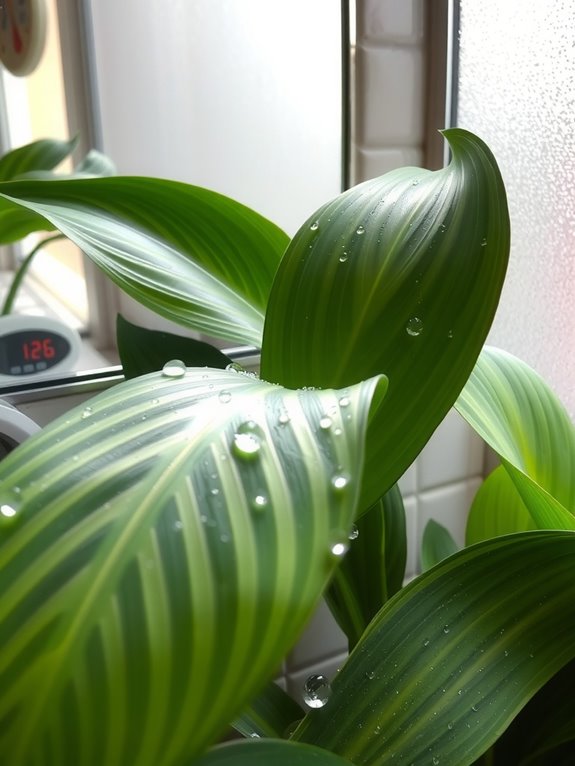
Maintain humidity levels between 60–90% for your Calathea. These plants originate from tropical regions where moisture fills the air, and they need that same wet environment to stay healthy. Without it, their leaves develop brown, crispy edges that won’t recover.
Keep temperatures steady between 16–24°C (61–75°F). Cold drafts will stress your plant, so position it away from windows, doors, and air vents where temperature swings happen.
Bathrooms work particularly well for Calatheas because shower steam and warm air naturally create the humid conditions these plants need. You’ll have an easier time keeping your plant healthy in a bathroom than in a dry living room or bedroom. If you don’t have a bathroom space available, you can mist your Calathea regularly, place it on a pebble tray filled with water, or run a humidifier nearby to replicate these conditions in other rooms.
High Humidity Requirements
Calathea plants need consistently high humidity—ideally between 60–90%, with 80–90% being optimal for healthy leaves. When humidity drops too low, you’ll see brown edges and crispy tips on the leaves. This is your plant telling you it’s stressed.
You have several practical options to maintain proper humidity:
Use a humidifier. An electric humidifier automatically regulates moisture in the air around your plant. This is the most reliable single method if you want consistent results without daily effort.
Set up pebble trays. Fill a shallow tray with pebbles or stones, add water until it reaches just below the top of the pebbles, and place your pot on top. As the water evaporates, it creates humidity around the plant. Refill the tray as needed so the water doesn’t touch the bottom of the pot directly.
Group plants together. When you place multiple plants near each other, they create a naturally humid pocket of air. This works because each plant releases moisture as it grows.
Mist your plant. Spray the leaves with water from a spray bottle. Misting provides temporary relief but won’t keep humidity levels high enough on its own.
For best results, combine two or more of these methods. A humidifier plus pebble trays, or grouped plants plus regular misting, will give you the consistent humidity your Calathea needs.
Check your humidity levels once a week using an inexpensive humidity meter. These cost between five and fifteen dollars and take the guesswork out of whether your plant has enough moisture in the air.
Ideal Temperature Range
What’s the sweet spot for keeping your Calathea healthy? Keep the temperature between 16-24°C (61-75°F). This narrow window prevents heat stress and the browning edges that come from temperature swings.
| Temperature Range | What Happens |
|---|---|
| Below 16°C (60°F) | Plant stress, leaf damage |
| 16-24°C (61-75°F) | Optimal growth, healthy foliage |
| Above 24°C (75°F) | Heat stress, browning edges |
Stay away from cold drafts, heating vents, and windows with extreme temperature shifts. Sudden changes stress your plant and damage leaves. Bathrooms and kitchens are ideal locations because they naturally keep both temperature and humidity stable without the temperature swings you find in other rooms.
Bathroom as Optimal Space
Why do Calatheas do better in bathrooms than in other rooms? Your bathroom provides the specific conditions this tropical plant needs to survive without constant work.
Humidity keeps leaves healthy
Bathrooms naturally maintain 60–90% humidity. This high moisture level stops the brown, crispy edges that appear on Calatheas in dry rooms. You won’t need to mist your plant constantly to maintain this level.
Temperature stays stable****
Your bathroom stays between 16–24°C, which is the range Calatheas prefer. Without temperature swings throughout the day, the plant doesn’t stress or drop leaves.
No cold drafts damage foliage
Bathrooms are enclosed spaces that block cold air. Drafts from windows, doors, and vents cause browning and leaf damage. Your closed bathroom prevents this problem.
Light filters through appropriately
Bathroom windows typically soften direct sunlight into the indirect light Calatheas need. This amount of light supports healthy leaf growth without bleaching or scorching the leaves.
Your Calathea will show visible improvements in leaf quality once you move it to the bathroom. The combination of humidity, steady temperature, protection from drafts, and filtered light addresses all the plant’s main needs in one space. This makes the bathroom the practical choice for keeping your Calathea in good condition.
Water Quality and Leaf Health: Why Filtered Water Matters
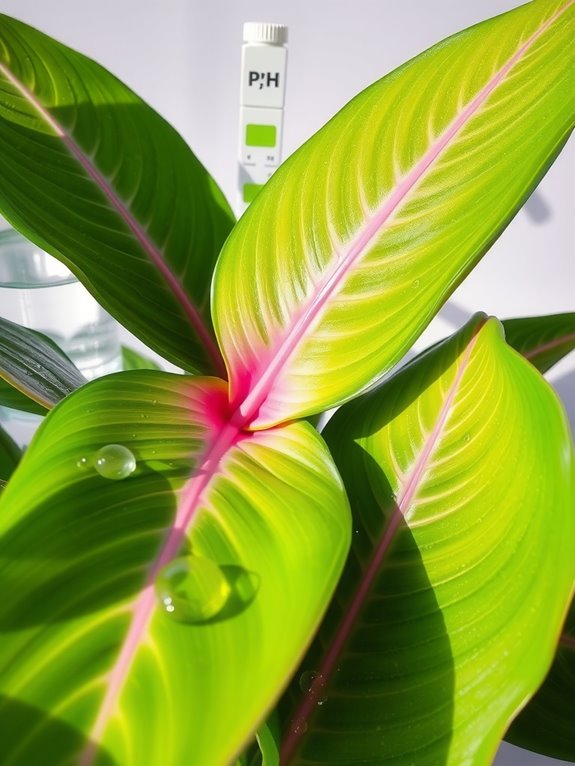
If you’ve noticed brown spots or crispy edges on your Calathea’s leaves, tap water is likely the problem. Municipal water contains minerals, chlorine, and fluoride that damage sensitive foliage. Many plant parents deal with this issue, and the fix is straightforward.
Switch to filtered water, dechlorinated water, or rainwater instead of tap water. This single change stops browning edges and leaf spotting while supporting healthy growth.
| Water Type | Mineral Content | Chlorine | Best For Calathea |
|---|---|---|---|
| Tap Water | High | Present | No |
| Filtered Water | Low | Removed | Yes |
| Dechlorinated Water | Low | Removed | Yes |
| Rainwater | None | None | Excellent |
| Distilled Water | None | None | Yes |
How to choose the right water
Filtered water works well if you already have a home filtration system. If not, you can purchase filtered water at most grocery stores in gallon jugs. Dechlorinated water is tap water left sitting in an open container for 24 hours, which allows chlorine to evaporate. Rainwater is free if you collect it in a clean bucket during storms. Distilled water is available at any store but costs more than other options.
Use whichever option fits your routine and budget. The key is consistency—stick with one type of quality water rather than switching between tap and filtered. Your Calathea will respond within a few weeks as new leaves grow in without damage.
Fertilizing and Seasonal Feeding: Supporting Growth Year-Round
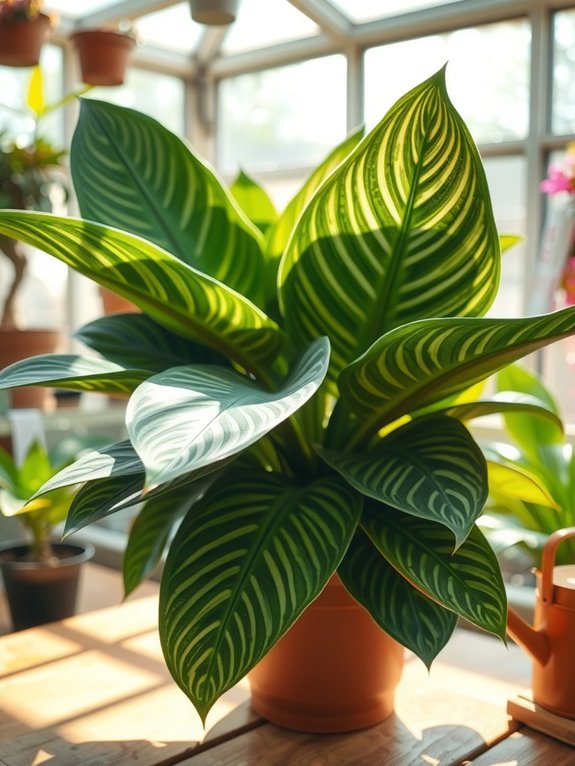
Your Calathea grows most actively during spring and summer. This is when it needs regular feeding to support new leaf development.
Feed monthly during active growth. Use a balanced liquid fertilizer in spring and summer, then stop feeding when winter arrives. Growth slows in cooler months, so your plant needs less nutrients naturally.
Choose low-mineral water. Filtered or rainwater prevents salt buildup that causes brown leaf edges and stunts nutrient uptake. This matters because minerals in tap water accumulate in the soil over time.
Watch for stress signals. Reduce feeding if you notice drooping, yellowing, or brown tips on your plant. These signs tell you that the current feeding schedule is too much for what your Calathea needs right now.
Maintain consistent humidity and evenly moist soil. This combination works with seasonal feeding to help your plant absorb nutrients more effectively. Keep soil slightly damp but not waterlogged, and mist the leaves or use a humidity tray to support the plant’s overall health year-round.
Repotting, Growth Patterns, and Seasonal Changes
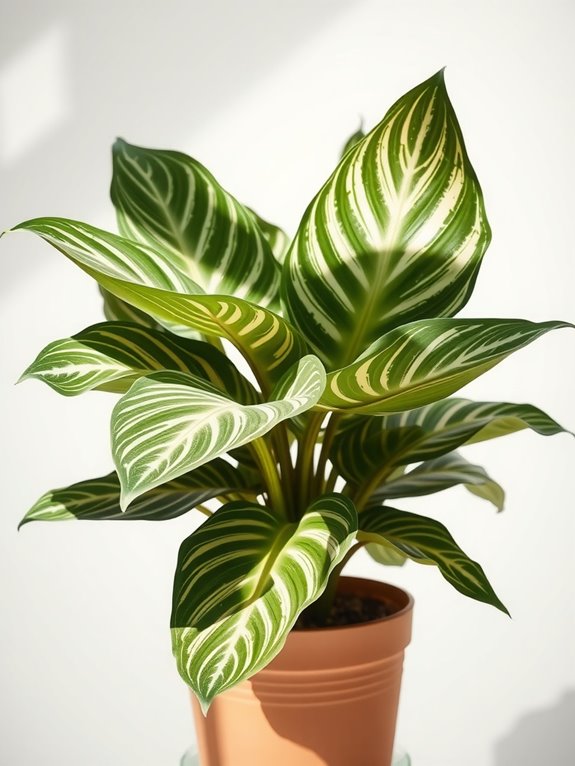
Your Calathea will eventually outgrow its pot. When this happens, repotting every 1–2 years prevents root bound conditions that slow growth. Do this in spring or summer when your plant is actively growing.
What You’ll Need
Use a clean, sterilized pot with drainage holes. Pick one that’s 1–2 inches larger than the current pot. You’ll also need fresh potting soil and a flat tool like a butter knife to help loosen the root ball.
How to Repot
Place fresh soil at the bottom of the new pot. Gently remove your Calathea from its old pot and loosen the roots with your fingers or a tool. Position the plant at the same depth it was growing before—the top of the root ball should be at the same level as before. Firm soil around the roots carefully to remove air pockets. Don’t pack the soil too tightly.
Adjusting Care Through the Seasons
Your Calathea grows most during spring and summer, then slows down in fall and winter. Match your watering and humidity to this pattern. During the active growing months, water more often and increase humidity around the plant. In fall and winter, cut back on both watering and humidity since growth slows. This seasonal adjustment prevents root rot and other problems while supporting steady, healthy growth.
Troubleshooting Brown Edges, Curled Leaves, and Other Common Issues
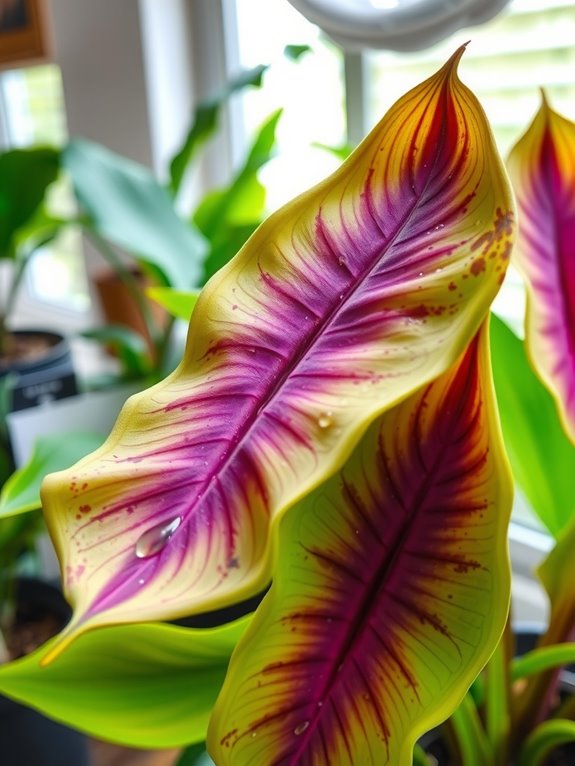
What’s causing those brown edges on your Calathea’s leaves? Low humidity and inconsistent watering are the usual culprits.
Brown edges: Raise the humidity level around your plant to at least 50 percent. You can do this by misting the leaves every two to three days or placing the pot on a pebble tray filled with water. Keep the soil evenly moist—not soggy—by watering when the top inch of soil feels dry to the touch.
Curled leaves: This happens when the plant doesn’t get enough water, the air is too dry, or it sits near cold drafts or heat vents. Water on a regular schedule and mist the leaves a few times per week. Move the plant away from windows, doors, and air conditioning units.
Leaf spots: Brown or white spots usually mean the water you’re using has too many minerals or chlorine in it. Switch to filtered water or let tap water sit overnight before using it. Once you’ve changed your watering method, gently wipe each leaf with a soft, damp cloth to remove existing mineral deposits.
Yellowing leaves: Overwatering causes root rot, which leads to yellowing. Check that your pot has drainage holes in the bottom. Water less often—only when the top inch of soil is dry. Gently remove the plant from its pot and inspect the roots. Healthy roots are white or light tan. Dark, mushy roots mean rot is present and you may need to repot the plant in fresh soil.
Light also plays a role in leaf health. Place your Calathea in bright, indirect light. Adjust your humidity and watering schedule based on what you observe, and the plant will recover within a few weeks.