
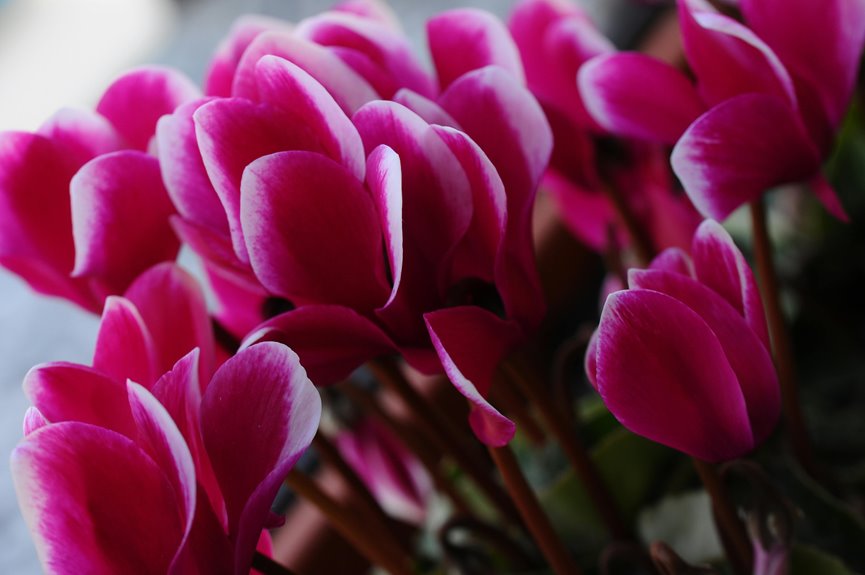
Start with an eight-to-ten-inch pot filled with well-draining soil mixed with perlite. This combination prevents water from sitting at the roots, which causes rot.
Place your cyclamen in bright, indirect light. Keep the temperature between 60–65°F. Warmer conditions will cause buds to drop before they open.
Water from below by setting the pot in a tray of water rather than pouring water directly onto the soil. This method prevents crown rot, a common problem that kills cyclamens quickly.
Feed your plant every two weeks while it’s actively blooming. Use a balanced fertilizer mixed to the strength listed on the package.
Remove spent flowers and yellowing leaves as soon as you notice them. This redirects the plant’s energy toward new blooms instead of seed production.
Check regularly for pests like aphids and spider mites. Spray affected areas with insecticidal soap if you spot any insects.
Expect your cyclamen to enter dormancy in late spring when foliage starts to yellow. This is normal and means the plant is preparing to rest.
Once blooming ends, decide whether to keep or discard the tuber. You can store it dry over summer and replant it in fall, though many people simply buy new plants the following season.
Pick the Perfect Pot and Soil for Cyclamen
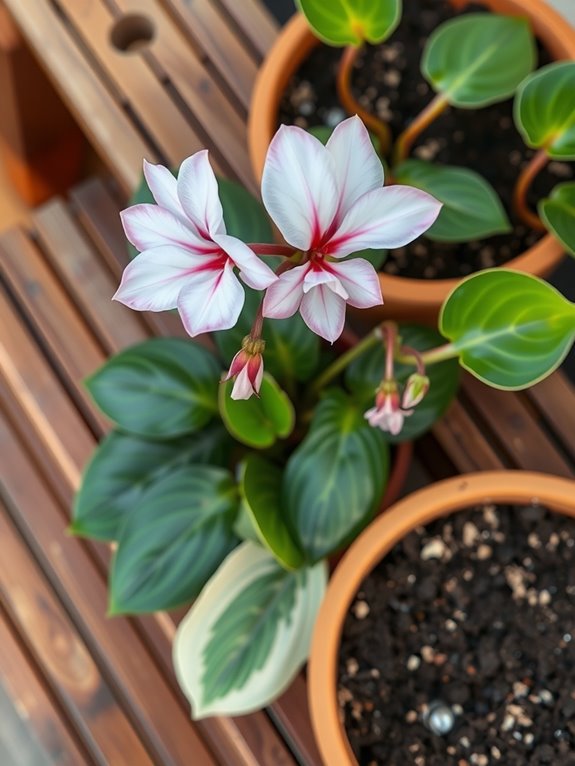
Why does pot size matter so much for cyclamen? You’ll want an eight to ten inch container with drainage holes that matches your plant’s compact growth. This size prevents waterlogging while giving roots room to develop properly.
For soil, you’re building a foundation for success. Create a rich, well-draining mix using peat moss as your base, then add perlite or pine bark fines for aeration. This slightly acidic blend keeps your plant healthy.
Now here’s the important part: plant your tuber just above the soil surface. This positioning prevents crown rot, a common problem with cyclamen. The tuber needs proper air exposure while roots establish below.
When your cyclamen becomes crowded, repot in fall before the growing season begins. Fresh soil supports healthy root establishment and gives your plant the best chance to grow well.
Position Your Cyclamen in Bright, Indirect Light
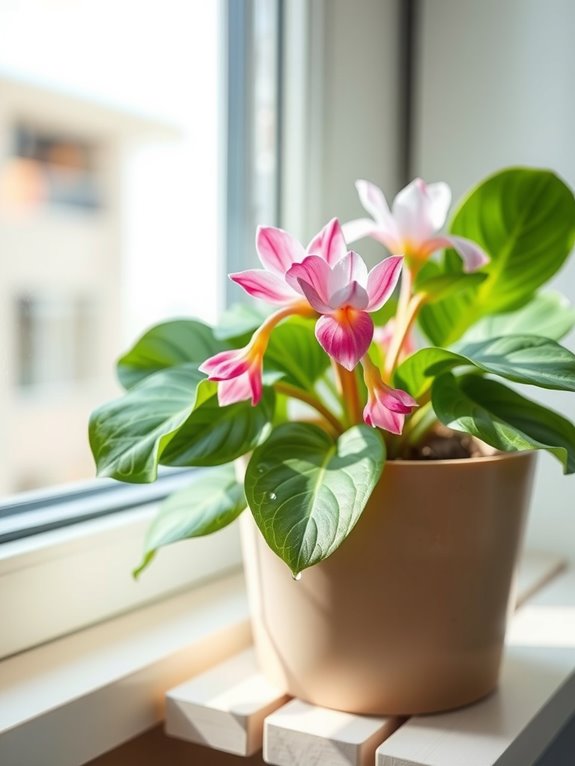
Light is one of the most important factors for keeping your cyclamen healthy. Your plant needs bright light but cannot handle direct sun, which will damage its leaves. The best approach is to place it near a window with sheer curtains that filter the light.
Position your indoor cyclamen in a bright room, away from the hot afternoon sun that comes through west or south-facing windows. If you’re growing it outside, find a spot with dappled light—under a tree canopy works well. The goal is steady, indirect light throughout the day.
When moving your cyclamen between indoors and outdoors in spring, do it gradually over several days. This gradual shift prevents light shock and keeps the plant from getting stressed. Start by placing it in a shaded outdoor spot for a few hours, then increase the time outside each day until it’s ready for its permanent outdoor location.
Keep Temperatures Between 60–65°F
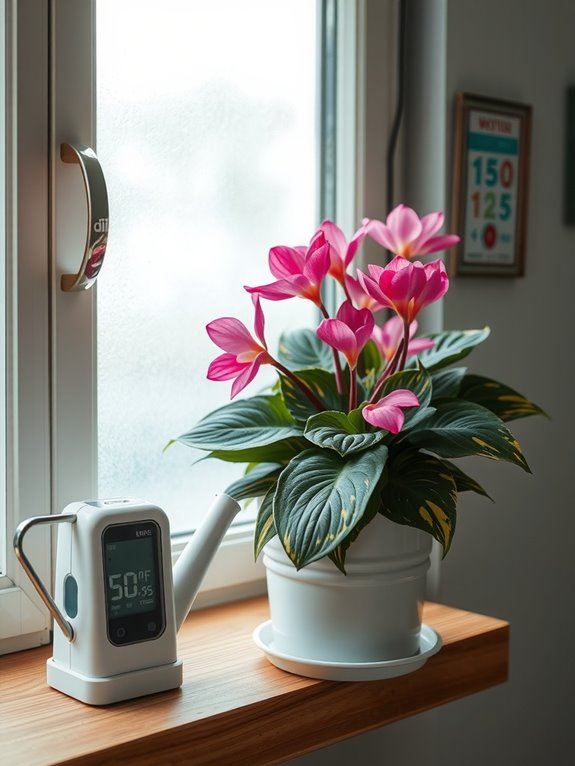
What’s the secret to keeping your cyclamen blooming beautifully? You need to maintain cool temperatures that match their natural cool-season growth cycle.
Keep daytime temperatures between 60–65°F (15–18°C). This range supports optimal growth. Temperatures above 70°F will cause buds and flowers to drop, so avoid letting your plant get too warm.
When indoor temperatures rise in the evening, move your cyclamen to a cooler room or unheated area. You can also place a tray of water near the plant to help stabilize temperature swings through evaporation.
Temperature control matters more than most people realize. Respecting these conditions will help your cyclamen perform better and produce more blooms throughout the season.
Water Cyclamen From Below to Stop Crown Rot
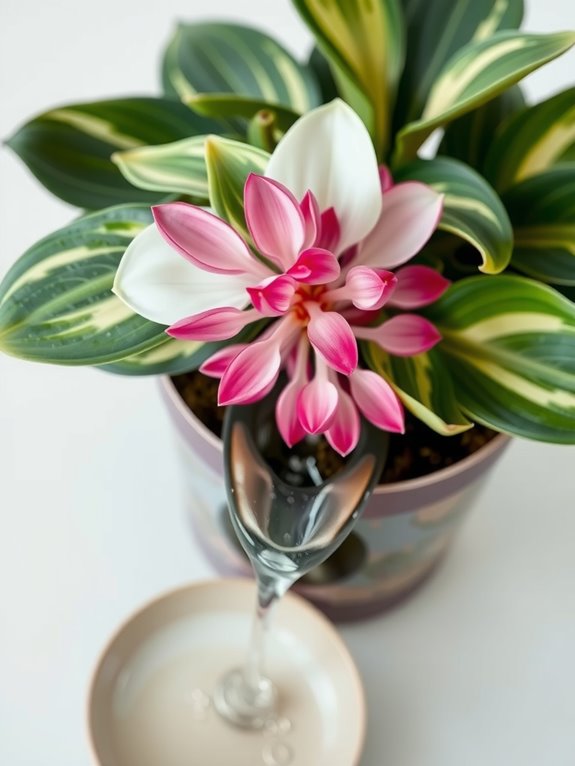
Once you’ve got your temperature under control, the next step is learning the right watering technique. Getting water on the crown of your cyclamen is one of the quickest ways to damage it, so you need a different approach.
Instead of watering from above, use tray watering. Place the pot in shallow water and let it soak for 20–30 minutes. This method allows the roots to absorb moisture while keeping the crown completely dry. When the time is up, remove the pot and let all excess water drain away.
Check your soil moisture by feeling the top inch with your finger. Water only when this top layer feels dry to the touch. By keeping the crown dry through this below-watering method, you’ll prevent crown rot and keep your plant healthy.
Keep Your Cyclamen’s Soil Consistently Moist
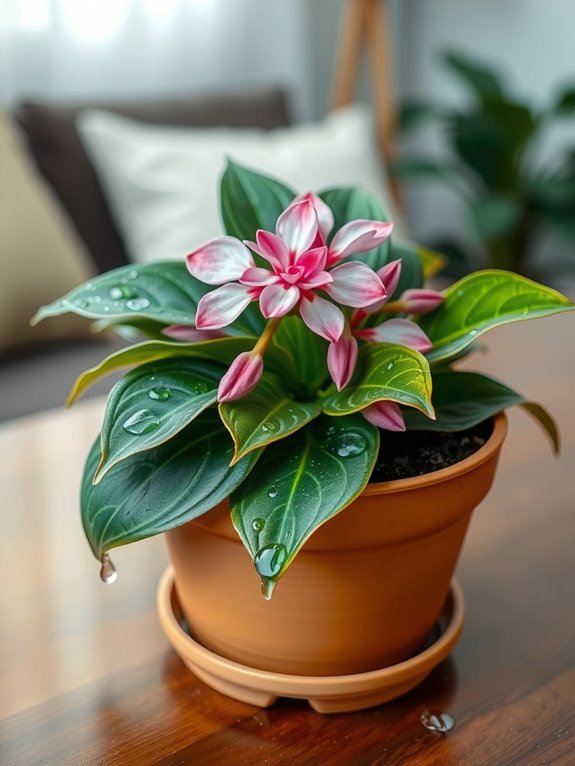
Why does soil moisture matter so much for cyclamen? You’re protecting your plant’s delicate root ball from both drought stress and rot. Consistent watering keeps your blooms vibrant while preventing crown damage.
Use tray watering to let roots absorb water naturally instead of overhead watering. This method keeps water off the crown, which is important because moisture sitting there leads to rot.
Check soil moisture daily with your finger or a moisture meter. The goal is evenly moist soil, not soggy. When the top half-inch feels dry, it’s time to water.
Water from the pot’s outer edges only. Never pour water directly on the crown. If you prefer a different approach, try bottom watering for about an hour when soil feels slightly dry. Place the pot in a tray of water and let it absorb from below.
During active growth periods, water more frequently because the plant uses more moisture. When your cyclamen enters dormancy, reduce watering and let the soil dry slightly between waterings. Remove yellowing leaves promptly so moisture doesn’t collect around the crown and cause problems.
Feed Your Cyclamen Every Two Weeks
How often should you fertilize your cyclamen? Feed your plant every two weeks during active growth. This keeps it healthy without pushing too hard.
Use a balanced fertilizer made for cyclamen. Follow the package directions and don’t add extra. Overfeeding causes leaf burn and slows growth, so stick with what the label says.
Your cyclamen grows best in cool conditions, and it needs less food than plants that prefer warmth. When your plant stops blooming or goes dormant, stop feeding it. Check your plant’s leaves regularly to catch any signs of damage from too much fertilizer. If you see brown or yellow leaf edges, cut back the feeding frequency or dilute the solution more.
Remove Spent Flowers and Yellowing Leaves
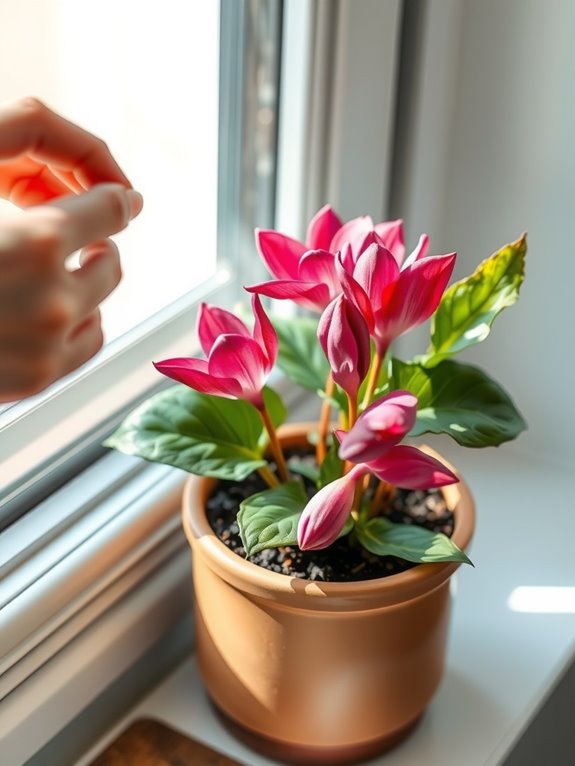
Remove spent flowers by twisting the stems cleanly from the base. This stops the plant from putting energy into faded blooms that won’t produce seeds or new growth.
Watch for white or yellowing leaves. These indicate poor air circulation and plant stress. Pinch off any discolored foliage as soon as you notice it to prevent fungal problems from developing.
Why Regular Removal Matters
Regular deadheading and leaf removal keep your cyclamen blooming longer and healthier. You’re supporting plant performance, not just cleaning up.
Encourages more blooms: When you remove spent flowers, the plant stops making seeds and puts energy into new flowers instead.
Prevents disease: Yellow leaves and decaying tissue create the damp conditions where rot and fungal problems develop. Removing this material stops problems before they start.
Improves air circulation: Trimming leaves around the crown reduces moisture sitting on the plant, which lowers your rot risk.
Maintains appearance: Consistent deadheading keeps your cyclamen looking neat and well-maintained.
Use clean, sharp snips or pruners for every cut. Throw removed leaves and flowers in the trash—don’t leave them near the plant. This simple routine takes just a few minutes and becomes automatic. Your cyclamen will respond with longer blooming periods and stronger growth.
Proper Pinching and Twisting Techniques
When you remove spent blooms, technique matters. Gently twist the stem at its base and pull away from the crown. This twisting motion prevents the damage that cutting could cause.
For yellowing leaves, use clean, sharp mini-floral snips. Trim just above a node to encourage neat regrowth. Remove faded flowers regularly. This stops seed formation, which drains your plant’s energy, and signals the plant to keep producing more blooms.
After each pruning session, discard any diseased-looking parts right away. These steps aren’t complicated, but they do affect how well your cyclamen performs. When you handle removal this way, you’ll see the difference in your plant’s health and flowering.
Signs of Plant Stress
What does it mean when your cyclamen’s leaves start turning yellow or flowers droop and fade? These are warning signs that your plant needs attention. You’re likely dealing with stress caused by care mistakes.
When you spot yellowing leaves, consider these common culprits:
- Overwatering – You’re giving too much water, which damages roots
- Excessive temperature – Your plant’s environment is too warm for comfort
- Poor indirect light – Insufficient lighting weakens foliage health
- Approaching dormancy – Natural aging signals the plant’s rest period
Remove spent flowers and yellowing leaves immediately. This redirects your plant’s energy toward new growth rather than dying tissue. At the same time, adjust your watering schedule and lower the temperature around your cyclamen to between 60 and 70 degrees Fahrenheit. Check that it receives adequate indirect light, such as placement near a north or east-facing window. These adjustments help restore balance and keep your plant stable through its growth cycles.
Catch Cyclamen Pests Before They Spread
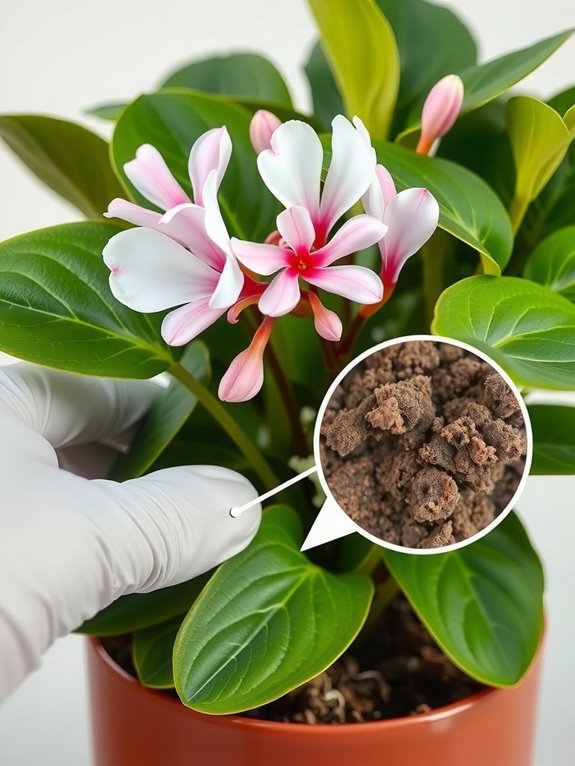
How quickly can pests take over your cyclamen collection? Faster than you’d think. Common cyclamen pests like aphids, spider mites, and thrips spread rapidly if left unchecked.
Check your plants regularly to catch infestations early. When you spot pests, treat the affected areas right away with soapy water, neem oil, or insecticidal soap. Remove infested leaves and new growth immediately to stop pests from moving to healthy plants.
Catch infestations early with regular inspections. Treat affected areas immediately with soapy water, neem oil, or insecticidal soap to prevent spread.
Quarantine any new cyclamen before adding them to your collection. This step protects your existing plants from pests that might hitchhike on new purchases. Clean up fallen leaves and debris around your plants since pests hide and breed in these areas.
If you suspect cyclamen mites, discard the plant. These mites are too difficult to control and will continue causing problems. The effort to save the plant isn’t worth the risk to your collection.
Stay on top of inspections and act quickly when you see trouble. Pests spread fast, but quick action stops them from getting out of control.
Recognize When Your Cyclamen Enters Dormancy (Late Spring Signals)
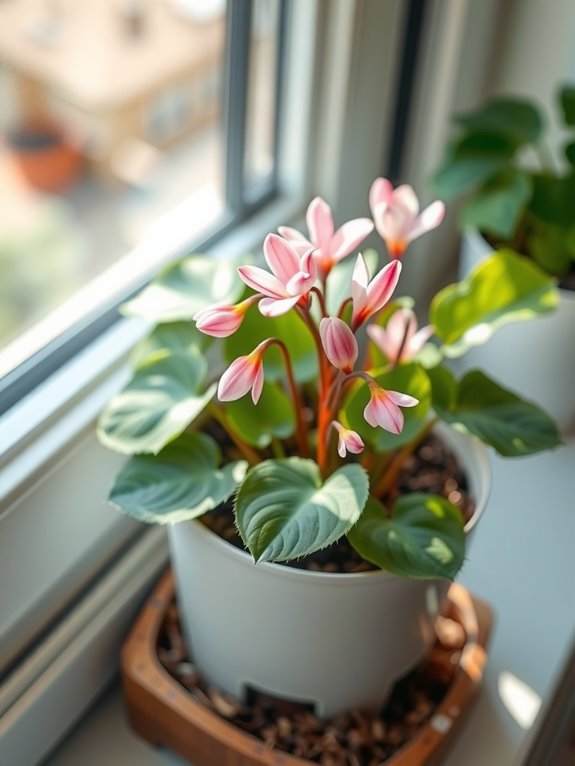
As late spring arrives, your cyclamen will show clear signs that dormancy is beginning. You’ll see the foliage turn yellow and drop from the plant. This isn’t a sign of disease or poor care—it’s a normal response to rising temperatures. Your cyclamen is naturally shutting down for its summer rest period.
When this happens, resist the urge to intervene. The plant is doing exactly what it needs to do to survive the warm months ahead. This temperature-triggered shift allows your cyclamen to conserve energy and prepare for regrowth in fall.
Keep your plant in a cool location during dormancy, ideally between 60 and 65 degrees Fahrenheit if possible. Stop watering as frequently once the leaves drop completely. The soil should dry out more between waterings, though you shouldn’t let it become bone-dry. Check the soil moisture every week and water only when it feels slightly dry to the touch.
Your dormant cyclamen will look bare and lifeless, but the corm—the underground storage structure—remains alive and active beneath the soil. This rest period is necessary for the plant to build reserves for the next growing season. When temperatures cool in fall, new growth will emerge naturally.
Foliage Fade and Drop
When your cyclamen’s leaves start turning yellow and dropping off in late spring, this is a natural part of the plant’s life cycle. The yellowing signals that dormancy is beginning, and you’ll need to adjust your care approach for the next few months.
What to do during this transition:
Reduce watering significantly since the plant needs much less moisture now. Move your cyclamen to a cool, darker location—somewhere between 50-60°F works well—and keep it away from direct sunlight. Stop all fertilizing until growth resumes in fall.
Check the soil every week or two. Your goal is to keep it barely moist, not wet and not completely dry. Stick your finger about an inch into the soil. If it feels slightly damp, skip watering. If it feels bone dry, water lightly until moisture reaches the roots.
When dormancy ends:
As fall arrives and temperatures cool naturally, your cyclamen will begin showing new growth. You’ll notice fresh leaves emerging from the center of the plant. This is your signal to gradually increase watering and move the plant back to a brighter location with indirect light. Start fertilizing again with a balanced, water-soluble fertilizer at half strength every two weeks.
The plant follows a predictable cycle. By respecting this rest period rather than fighting it, you set yourself up for healthy blooms when the growing season returns.
Temperature-Triggered Rest Period
Your cyclamen goes dormant when temperatures warm up in late spring. This isn’t something your plant chooses randomly—warmth triggers a biological signal to rest until cooler weather returns. During this period, growth stops, leaves die back, and the tuber requires less water to avoid crown rot.
What to Do at Each Stage
When you first notice growth slowing, reduce watering gradually over a week or two. Don’t cut it off all at once. As the plant enters full rest, move it to a cool, dark spot—ideally between 50-55°F—and let the soil dry out more than usual. Check on it once a week and look for small green shoots pushing through the soil surface. These shoots mean dormancy is ending.
Bringing Your Plant Back
Once you see new growth, move the cyclamen to a warmer location to help roots establish. Wait until midsummer before repotting into fresh soil. After repotting, keep temperatures between 55-60°F and resume your normal watering schedule. This supports the plant’s natural cycle and sets it up for strong flowering later on.
End-of-Season Choices: Discard or Save Your Tuber
Once your cyclamen finishes blooming and the foliage yellows and dies back, you’ll face a decision: toss the corm or save it for another growing season.
Once your cyclamen finishes blooming and foliage dies back, decide: discard the corm or save it for next season.
If you choose to save your corm, follow these steps:
- Dig up the corm once foliage completely dies back
- Let soil dry thoroughly before storage begins
- Store in cool, dark, dry conditions to maintain dormancy
- Keep the corm undisturbed throughout the resting period
Place your dormant corm in a cool, dark location where temperature stays steady and moisture won’t reach it. When you’re ready to replant in midsummer, repot your corm and place it in a warm spot to establish roots. After roots develop, move the plant to a cool 55–60°F environment to trigger flowering. This cycle lets you enjoy your cyclamen year after year.