Place your yucca in bright indirect light near a south- or west-facing window. Rotate the pot weekly so all sides receive equal light and the plant grows evenly. This prevents the plant from leaning toward the light source.
Water your yucca when the soil dries out to 75–100%. During spring and summer, this typically means watering every two weeks. In fall and winter, reduce watering to once or twice per month since the plant needs less moisture during cooler months.
Use a pot with drainage holes and fill it with well-draining cactus soil. Drainage holes let excess water escape, which prevents root rot. Cactus soil is formulated to dry quickly, matching what yucca plants need.
Keep your yucca in temperatures between 65–85°F. Most homes stay within this range, so your plant should do fine in normal indoor conditions. Avoid placing it near heating vents or cold drafts from windows.
These steps work together. Good light, proper watering, and the right soil create the foundation for a healthy yucca that requires minimal fussing.
Provide Bright Indirect Light for Optimal Growth
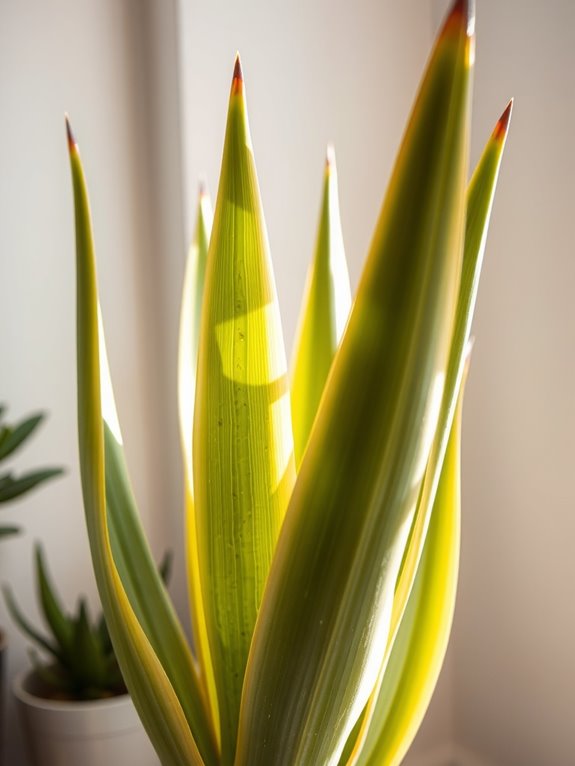
Your yucca plant needs bright indirect light to grow well. The best spots are near south- or west-facing windows where the plant gets strong, steady light without direct afternoon sun hitting the leaves.
Place your yucca close to a sunny window, but keep it far enough back that the afternoon rays don’t reach it directly. Direct sun can scorch and damage the leaves. If your plant starts looking pale or grows slowly, move it closer to a brighter location.
Rotate your plant once a week so all sides receive equal light. This prevents the plant from growing lopsided as it reaches toward the light source. Keeping your yucca in dim or shaded areas weakens it over time and dulls its appearance, so position it where it gets consistent brightness throughout the day.
Water Only When Soil Is 75–100% Dry
Check your soil moisture by inserting your finger about two inches into the soil. If it feels moist, wait a few more days. Once the soil has dried to 75–100% of its volume, water thoroughly until water drains from the bottom of the pot.
Your watering schedule changes with the season. During spring and summer, water every couple of weeks. When fall and winter arrive, cut back to once or twice per month. Yuccas prefer staying dry, so this reduced frequency in cooler months matches their natural growth pattern.
Checking Soil Moisture Levels
When’s the right time to water your yucca plant? Check your soil moisture before watering every time. Stick your finger or a moisture meter about 2 inches into the pot and feel the soil’s condition. You’re looking for that 75–100% dry range, which means the soil feels mostly dry to the touch. This approach prevents overwatering, the biggest threat to yucca health.
Your watering frequency changes with the seasons. During spring and summer, water thoroughly until it drains from the bottom, then wait until the top 2 inches dry out. In autumn and winter, scale back significantly—water just once or twice monthly, letting the soil dry substantially between waterings.
Checking soil moisture regularly keeps you in control. You’ll develop a feel for your plant’s needs and avoid the root rot that constantly wet soil causes.
Watering Schedule By Season
The key to keeping your yucca healthy is matching your watering routine to what your plant needs at different times of year. Your plant’s water requirements shift with the seasons, so you’ll need to adjust how often you water. The main thing to watch is soil moisture—let it dry out to 75–100% before you water again.
| Season | Frequency | Soil Moisture | Notes |
|---|---|---|---|
| Spring | Every 2 weeks | 75–100% dry | Active growth period |
| Summer | Every 2 weeks | 75–100% dry | Warmest temperatures |
| Autumn | Once monthly | 75–100% dry | Growth slows |
| Winter | 1–2 times monthly | 75–100% dry | Dormancy phase |
During spring and summer, water about every two weeks once the soil reaches 75–100% dryness. Your yucca is actively growing during these warmer months, so it needs more regular water. When autumn arrives, cut back to watering once a month. Winter brings the slowest growth, so reduce watering to just once or twice monthly during the dormancy phase. This seasonal adjustment prevents root rot and keeps your plant in good condition year-round.
Choose Well-Draining Soil for Your Yucca
Your yucca needs soil that drains quickly, so use a cactus or succulent potting mix instead of regular potting soil. Mix in an extra 20–30% grit or sand by volume to boost drainage further. This keeps water from sitting around the roots and causing rot.
Use a container with drainage holes. Proper drainage prevents the moisture problems that yucca plants cannot handle.
Drainage Requirements For Yucca
Yuccas come from deserts, so they need good drainage or their roots will rot. Your potting mix should copy desert conditions as closely as possible. Buy a cactus or succulent mix made for these plants. If you only have standard John Innes No. 2 or similar mixes on hand, add 20-30% extra grit to the soil. This gritty material stops water from sitting around your roots.
Your pots must have drainage holes in the bottom. Water should flow through your potting mix quickly without pooling. Check this regularly by watering and watching how fast the water drains. Never keep your soil wet all the time. When you follow these steps, root rot becomes unlikely and your yucca stays healthy.
Soil Mix Selection Guide
Root rot is the main problem yucca plants face, and it happens because of poor drainage. The good news is that selecting the right soil stops this issue before it starts.
Start with a cactus or succulent potting mix as your base. This type of mix already has the drainage properties yucca needs. If you only have John Innes No 2 available, add 20–30% extra grit by volume to improve how quickly water moves through it.
Avoid heavy clay-rich soils. Clay holds water, and sitting moisture around yucca roots creates rot. Instead, choose sandy or loamy mixes. These shed water quickly and let air reach the roots.
When you repot your yucca, use fresh soil every time. This removes old soil that may have compacted or broken down. Make sure your pot has drainage holes in the bottom. Water needs a way to exit, or it pools and causes problems.
Think of soil selection as your first defense against overwatering. Get this step right, and your yucca grows without constant attention.
Select the Right Pot With Drainage Holes
Why does drainage matter so much for yucca plants? Without proper drainage, water pools around the roots and causes rot—a common killer of these drought-loving plants.
Without proper drainage, water pools around yucca roots and causes rot—a common killer of these drought-loving plants.
Start by choosing a pot with one or more drainage holes. Pick a size that leaves 1–2 inches of space around the root ball for growth and easier watering. Use well-draining cactus or succulent soil in your pot with drainage holes to move water through quickly.
If your pot has a smooth base, add a 1–2 inch layer of coarse grit or gravel at the bottom before adding soil. This step boosts water movement through the container.
Consider using a breathable outer container or cachepot that won’t block the drainage path. These practical choices keep water moving through the soil and protect your yucca from root damage.
Maintain Temperatures Between 65–85°F
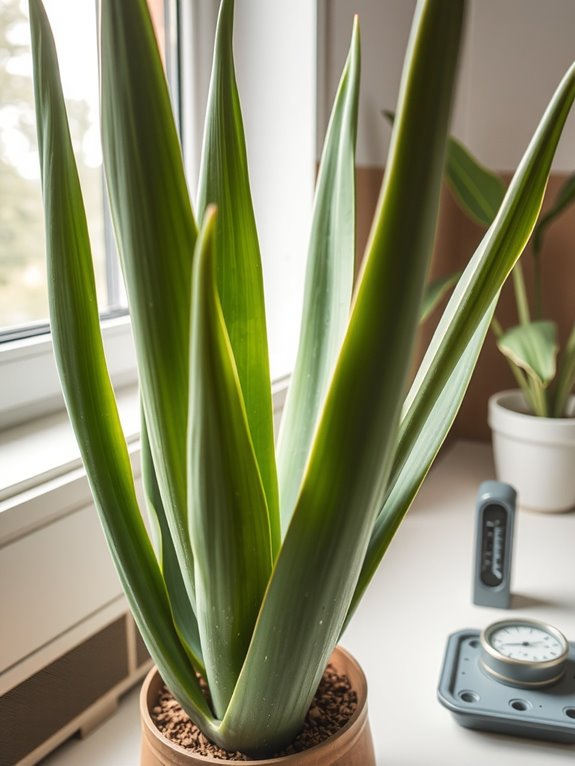
Yucca plants need temperatures between 65°F and 85°F to stay healthy. This range keeps leaf color strong and prevents drooping or yellowing from temperature stress.
Cold drafts and extreme temperature swings slow growth and weaken your plant. During winter, keep your indoor space within the 65–85°F range, especially if you have tender varieties. Stable temperatures also help your plant absorb water more efficiently, so pair temperature control with a regular watering schedule.
When you need to move your yucca to a new location, do it gradually over several days rather than all at once. This slow acclimation reduces shock and helps your plant adjust to seasonal changes without damage.
Keep Humidity Low to Moderate
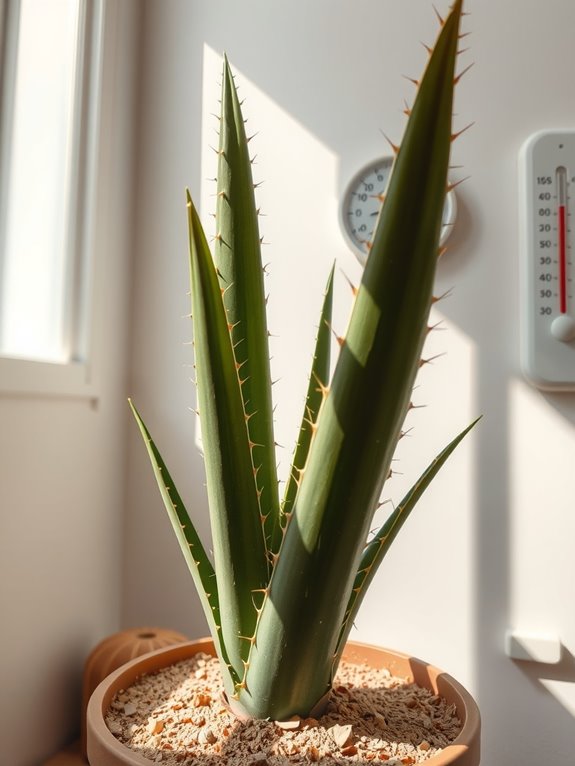
Unlike tropical houseplants that need moisture in the air, your yucca plant actually prefers low to moderate humidity and does well in typical indoor conditions. You don’t need special equipment or constant misting to keep your yucca healthy.
Maintain normal room humidity – Standard household humidity levels work fine for yucca plants. Skip humidifiers and damp trays since your plant doesn’t need them.
Mist sparingly in dry conditions – If you’re in a heated winter room with very dry air, a light mist once in a while can prevent excessive leaf drying. This step is optional and only necessary if you notice leaf edges starting to brown.
Avoid frequent misting – Don’t make misting a regular habit. Consistent high humidity encourages fungal problems that can damage your plant. Keep humidity levels steady rather than fluctuating between wet and dry.
Your yucca’s straightforward humidity needs make it a practical choice for most homes. The plant does best when you simply leave it alone and let it adjust to your indoor environment.
Fertilize Monthly During Growing Season
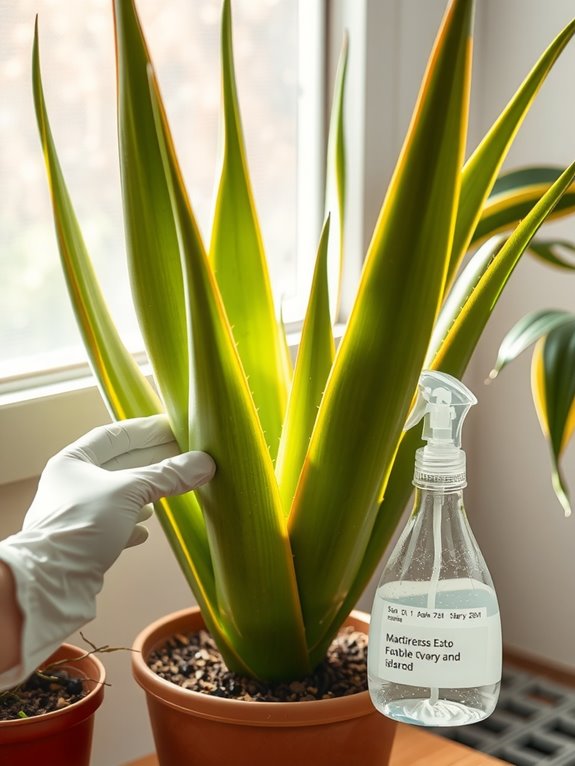
Now that your yucca’s humidity is handled, feed it during the active growing months. From spring through summer, apply a diluted liquid fertilizer once a month. Pick a houseplant fertilizer and mix it to the weaker strength listed on the package. This prevents over-fertilization, which can damage the roots.
| Feeding Schedule | Timing |
|---|---|
| Spring | Monthly applications |
| Summer | Monthly applications |
| Fall | Stop feeding |
| Winter | No fertilizer |
Stick to a regular 4-week cycle rather than fertilizing randomly. Consistent feeding helps your plant absorb nutrients at a steady rate and grow properly. However, skip fertilizing if your yucca shows stress, yellowing leaves, or signs of overwatering. Adding nutrients when the plant is already struggling will make the problem worse.
Why Your Yucca Is Drooping (And How to Fix It)?
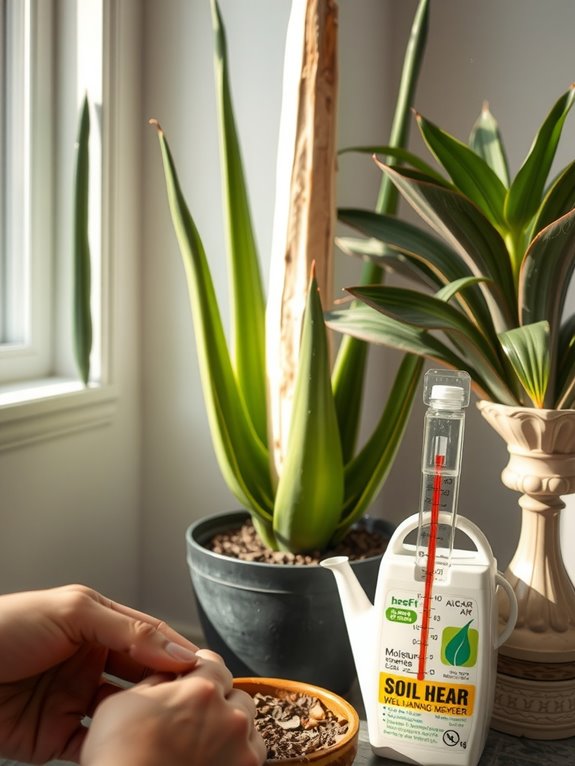
If your yucca is drooping, three main problems are usually to blame: not enough light, overwatering that leads to root rot, and environmental stress. Start by checking if your plant gets bright, indirect light for about six hours each day—this is what yuccas need to stay upright and healthy. Next, look at how often you water and whether your soil drains well. These two issues often happen together and weaken your plant’s structure.
Insufficient Light Exposure
Why does your yucca droop and lean to one side? Insufficient light exposure is likely the culprit. When your plant doesn’t receive about six hours of bright light daily, growth weakens and becomes spindly. Droopy leaves develop as low light slows photosynthesis and reduces the plant’s structural strength.
What to do:
- Move your yucca to a south- or west-facing window where it will receive optimal bright light. This positioning boosts the plant’s ability to grow upright and compact.
- Rotate the plant weekly. This prevents lopsided, leggy growth caused by uneven light exposure. A quarter turn each week is sufficient.
- Watch for additional signs that your plant is still struggling. Yellowing lower leaves indicate it needs more light than its current location provides.
You will see improvement within weeks as your yucca strengthens and returns to its naturally compact form.
Overwatering and Root Rot
Overwatering is the most common reason your yucca droops. The problem develops underground where you can’t see it. When soil stays constantly wet, roots become soft and mushy instead of firm. You’ll spot yellowing or droopy leaves and a foul smell from the potting mix as your first warning signs.
To fix this, let soil dry completely between waterings. During spring and summer, water every couple of weeks. In fall and winter, water much less frequently. Check the soil by inserting your finger about an inch deep—it should feel dry before you water again.
If root rot has already started, act quickly. Remove your yucca from its pot and discard all the soggy compost. Rinse the roots gently under lukewarm water and trim away any mushy, dark sections with clean pruning shears. Repot the plant in fresh, well-draining soil (a cactus or succulent mix works well) using a container with drainage holes in the bottom.
Empty any standing water from saucers immediately after watering. Water that sits under the pot keeps the roots wet longer than they need. Proper drainage is your best defense against root problems and keeps your yucca standing upright.
Environmental Stress Factors
Beyond overwatering, your yucca’s drooping leaves often signal environmental stress that’s just as damaging but easier to fix. Sudden changes in conditions can seriously stress your plant, causing that telltale droop you’re trying to prevent.
Maintain consistent bright light – Move your yucca to a sunnier location if it’s not getting enough rays. Insufficient light directly causes drooping leaves. Aim for a spot that receives at least 6 hours of bright, indirect sunlight daily.
Avoid temperature fluctuations and drafts – Keep your plant away from cold windows, heating vents, and air conditioning units that create unstable conditions. Your yucca prefers temperatures between 60 and 75 degrees Fahrenheit. Check the area around your plant for air currents that might cause sudden temperature swings.
Stabilize your care routine – Once you establish proper watering and light schedules, stick with them consistently. Yucca plants respond well to predictability. When you eliminate these environmental stressors, you should notice recovery within a few weeks.
Prevent Yellowing Leaves and Other Problems
When your Yucca’s leaves turn yellow, you’re dealing with one of a few common problems that you can fix. The most common issue is overwatering combined with poor drainage. Make sure your pot has drainage holes and let the soil dry out between waterings. Check the top 2 inches of soil before you water again. If you see rotted roots, repot the plant right away into a well-draining cactus and succulent mix.
| Problem | Cause | Solution |
|---|---|---|
| Yellow leaves | Overwatering | Water less often and improve drainage |
| Droopy growth | Low light | Move to a spot with 6+ hours of light daily |
| Pest damage | Spider mites | Wipe leaves with a damp cloth and increase light |
To keep your plant healthy, prune dead leaves and spent flower stalks regularly. This reduces stress on the plant and helps new growth develop.
Prune Damaged Leaves and Shape Your Plant
How should you shape your Yucca to keep it looking its best? Spring is the ideal time to prune damaged leaves and maintain an attractive silhouette. Follow these steps to get the job done right.
Wear gloves and use clean, sharp tools. Put on gloves before you start—Yucca leaves are pointed and can cut your skin. Use pruning shears or a sharp knife that you’ve cleaned with rubbing alcohol or a 10% bleach solution. This prevents spreading disease from one plant to another.
Remove damaged foliage and spent flower spikes. Look for brown, torn, or discolored leaves and cut them away at the base where they meet the main stem. Remove any flower spikes that have finished blooming. This step improves how your plant looks and opens up space for air to move through the leaves.
Trim overly long leaf blades to maintain shape. Cut back leaf blades that stick out too far or make the plant look unbalanced. Work from the outside toward the center, stepping back every few cuts to check your progress. Keep the overall shape compact and proportional to your space.
After you finish pruning, wipe the remaining leaves with a soft, damp cloth to remove dust. This helps your plant absorb more light and reduces hiding spots where pests can settle in.
Rotate Weekly for Even Growth
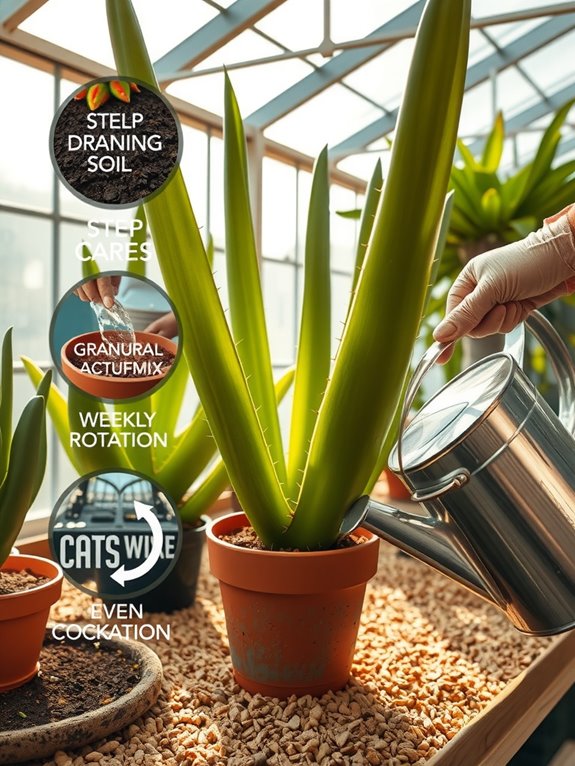
Turn your yucca a quarter rotation every seven days. This simple practice keeps your plant from leaning toward its light source and developing uneven growth on one side.
When branches and leaves stretch toward a single light spot, they grow spindly and thin. Regular rotation stops this problem and promotes denser foliage across the entire plant. The result is a fuller, more balanced appearance all around.
Set a phone reminder or mark your calendar for rotation day. Consistency matters here, so pick a specific day each week and stick with it. As you rotate, look for any leggy growth or stretching branches. If you spot signs that your plant is still reaching toward light, move it farther from the window or adjust its position.
Repot Only When Roots Are Crowded
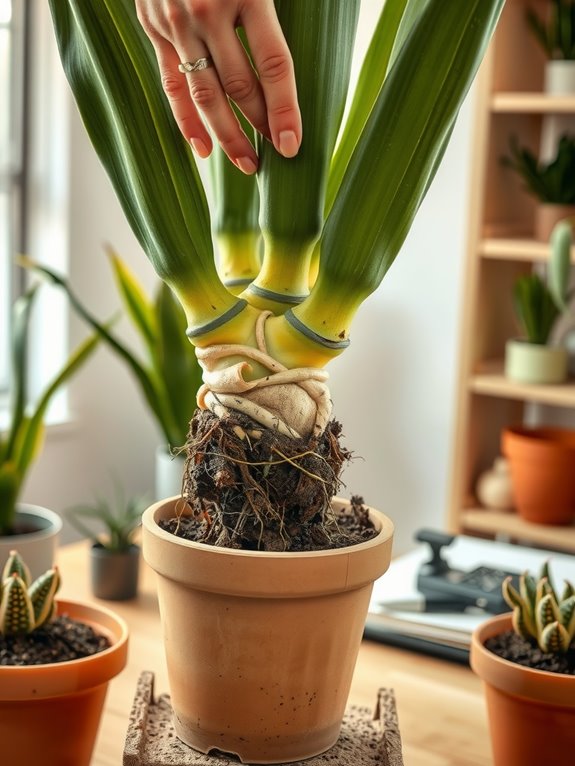
Your yucca doesn’t need frequent repotting. In fact, the plant prefers to stay in its current pot. Repotting too often stresses the root system and disrupts the plant’s stability. Instead, wait until the roots actually need more space before you move your yucca to a larger container.
Signs Your Yucca Needs Repotting
Look for these specific indicators that repotting time has arrived:
- Roots growing through the drainage holes at the pot’s bottom
- Soil drying out quickly between waterings, which means the roots have filled most of the pot and can’t hold moisture well
- Roots taking up most of the container’s interior space when you check them
How to Repot Properly
Select a pot only slightly larger than the current one—about 1 to 2 inches wider in diameter. The pot must have drainage holes. Fill it with a well-draining soil mix, such as cactus or succulent potting soil mixed with perlite for added drainage.
Remove your yucca from its old pot and loosen the roots gently with your fingers. Place the plant in the new pot at the same depth it was growing before. Fill in around the sides with fresh soil, pressing it down lightly. Water the soil after repotting, then hold off watering again for several days to let the roots adjust.
This measured approach keeps your yucca stable and avoids the stress that comes with unnecessary moves.